
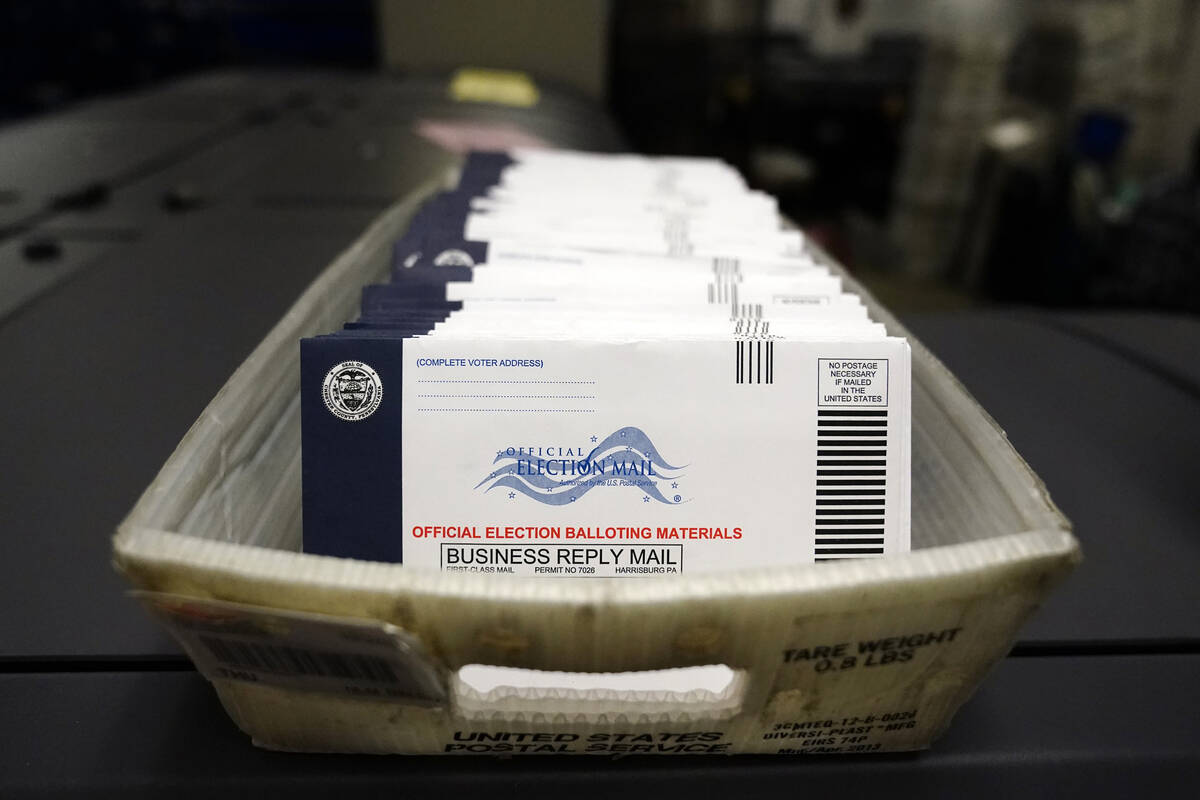
A pending case before the Supreme Court regarding mail-in voting in Nevada has generated intense discussion about electoral integrity and voter eligibility. The debate centers on the implications of mandatory mail-in ballots, particularly in light of increasing concerns about illegal immigration and the potential for fraud.
Advocates for stricter regulations argue that mail-in voting creates vulnerabilities that could undermine the democratic process. The principle of voting is reserved for U.S. citizens who are at least 18 years old. This excludes individuals who are in the country illegally, those with expired visas, and even lawful permanent residents holding green cards. These regulations serve to protect the fundamental right to vote, emphasizing the importance of verifying the identity and status of voters.
Critics of Nevada’s approach to mail-in voting express that sending ballots indiscriminately to registered voters raises significant questions about the security and legitimacy of the electoral process. The issues of whether recipients are indeed U.S. citizens, whether they still reside at the registered address, or if they have moved to another state are crucial considerations that warrant thorough scrutiny.
Concerns Over Electoral Integrity
The surge in illegal immigration and visa overstays in recent years has intensified calls for a reevaluation of how states handle mail-in voting. With an increasing number of ballots being mailed out, opponents argue that it could facilitate fraudulent activities, potentially disenfranchising legitimate voters who adhere to the rules.
In light of these concerns, citizens are urged to remain vigilant about the voting process. The implications of this Supreme Court case may extend beyond Nevada, potentially influencing mail-in voting policies nationwide. Ensuring that only eligible voters can cast ballots is essential for maintaining the integrity of elections and preserving the foundational principles of the American democracy.
As the nation grapples with these pressing issues, the outcome of this case will likely have lasting effects on how states manage their electoral processes in the future. Citizens across the country are encouraged to engage in the conversation and advocate for measures that protect their right to vote.