
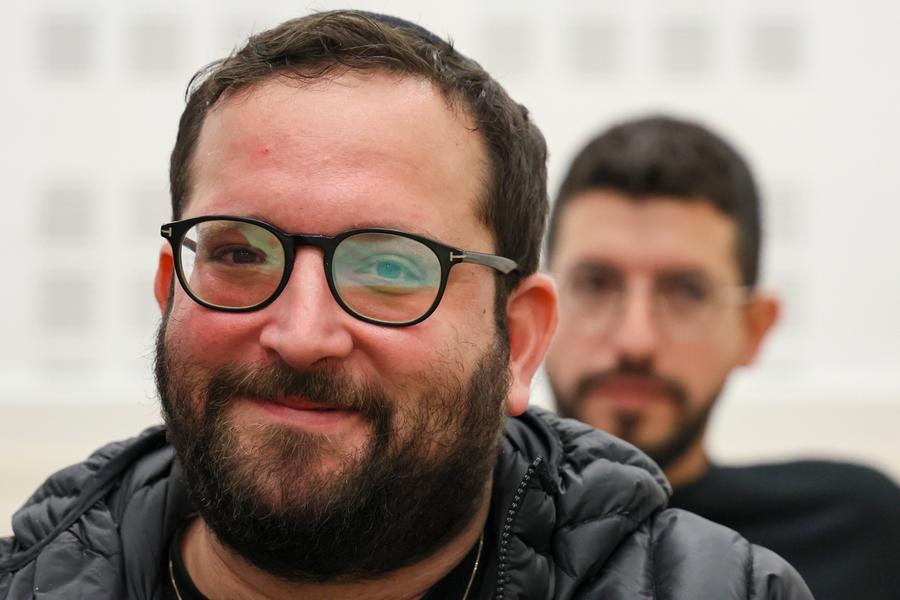
Prime Minister Benjamin Netanyahu spoke with his former spokesman, Jonatan Urich, for the first time in a year on Tuesday. This conversation occurred after police restrictions preventing Urich from contacting the Prime Minister’s Office (PMO) expired earlier this week. Urich, a key suspect in the ongoing “Qatargate” investigation, had been barred from any communication with the PMO following his arrest and questioning regarding allegations of receiving funds to promote Qatari interests in Israel.
Urich is under investigation alongside fellow aide Eli Feldstein and campaign advisor Yisrael Einhorn. The investigation focuses on claims that Urich continued to advocate for Qatari interests for financial gain, even after the attacks on October 7, 2023, despite Qatar’s close ties to Hamas. Authorities suspect him of serious offenses, including contact with a foreign agent, bribery, fraud, breach of trust, and money laundering, although formal charges have yet to be filed.
Legal Developments and Restrictions
Investigators had previously petitioned the Rishon Lezion Magistrate Court to extend the restrictions on Urich. When this request was denied, they appealed to the Central District Court, arguing that allowing Urich to contact the PMO would be akin to permitting him to “return to the scene of the crime.” However, Judge Ami Kobo rejected this appeal, noting that the restrictions had expired on Sunday and that the police’s delay in seeking an extension was “a failure for which there is no explanation.”
The PMO has not disclosed the details of the conversation between Netanyahu and Urich. Urich, through his legal representatives Amit Hadad and Noa Milstein, has expressed his intention to return to work at the PMO if he can clear his name. Notably, both lawyers are also representing Netanyahu in his own ongoing corruption trial.
Allegations and Political Context
Netanyahu has denied any involvement in a coordinated effort to improve Qatar’s image in Israel. This comes in the wake of reports from Hebrew daily Yedioth Ahronoth, indicating that Israel requested an increase in Qatari funding to Gaza just a month before the October attacks. This request was allegedly made by the Shin Bet and Cogat during a meeting with Mohammed al-Emadi, Qatar’s envoy to Gaza.
Concerns have been raised by some members of the Knesset regarding the policy of allowing Qatar to provide humanitarian funding to Gaza through the Hamas government since 2018. Critics argue that these funds could be misappropriated to support terrorist activities. Nevertheless, the PMO has asserted that Netanyahu was never presented with a security assessment suggesting such a diversion of funds.
In a related context, Netanyahu has also contended that Qatari funding did not contribute to Hamas’s military capabilities, attributing the group’s armament to weapons smuggled from Egypt.
As the investigation into Urich continues, the implications for Netanyahu and his administration remain significant. The unfolding events highlight the complex interplay of politics, foreign relations, and legal challenges in Israel’s current landscape.