
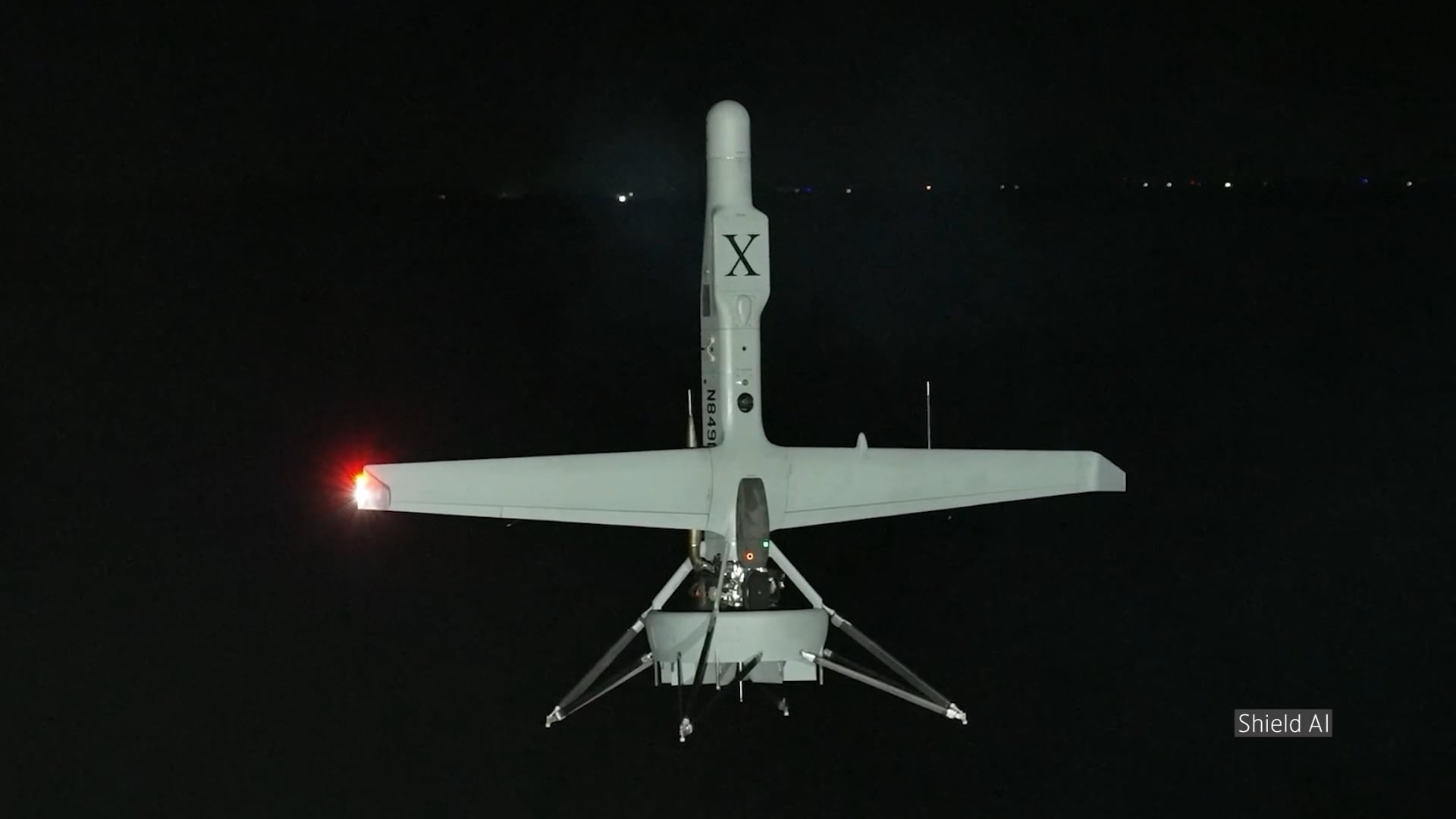
The evolution of drone technology is transforming military operations, particularly in environments where GPS reliability is questionable. This shift is crucial as armed forces look for ways to maintain operational effectiveness in contested areas. Industry leaders from Shield AI, including Mike Hanlin, Senior Director of Business Development, and Saleh Alnahdi, Director of Business Development and Strategy for Saudi Arabia, recently discussed these pressing challenges and the importance of autonomy in unmanned aerial systems (UAS).
Understanding the Landscape
In a landscape crowded with UAS options, the ability to operate effectively without GPS is becoming a significant differentiator. Many military operations now face the reality that GPS signals can be jammed or spoofed, making traditional navigation methods unreliable. As a result, autonomous systems that can operate independently of GPS are gaining traction.
According to Hanlin, trusted autonomy is not just an enhancement; it is a necessity in modern warfare. “When we talk about denied environments, we refer to areas where adversaries actively disrupt navigation signals,” he explained. This highlights the critical need for drones that can navigate using alternative methods, such as computer vision and onboard sensors.
Sovereign Control and Operational Flexibility
The discussion also centered on the importance of maintaining sovereign control over drone operations. Alnahdi emphasized that nations need to ensure that their drone systems are not only effective but also secure from external interference. “Sovereign control means being able to dictate how and when these systems are deployed without relying on third-party technologies,” he stated.
In the context of Saudi Arabia, the demand for advanced UAS capabilities is rising. The country’s defense strategies are increasingly incorporating autonomous systems to enhance situational awareness and operational flexibility. Shield AI’s innovations aim to meet this demand by providing solutions that allow for greater autonomy and reliability in challenging environments.
The implications of these advancements extend beyond immediate military applications. The technology developed for autonomous drones has potential uses in various sectors, including disaster response, search and rescue, and infrastructure monitoring. As the technology matures, its adaptability could make it a valuable asset in civilian contexts as well.
As military forces around the world prepare for increasingly complex battlespaces, the integration of reliable, autonomous drone technology will play a pivotal role in shaping future operations. The insights from leaders like Hanlin and Alnahdi underscore the urgency of these advancements and the need for continued innovation in the field of unmanned aerial systems.