
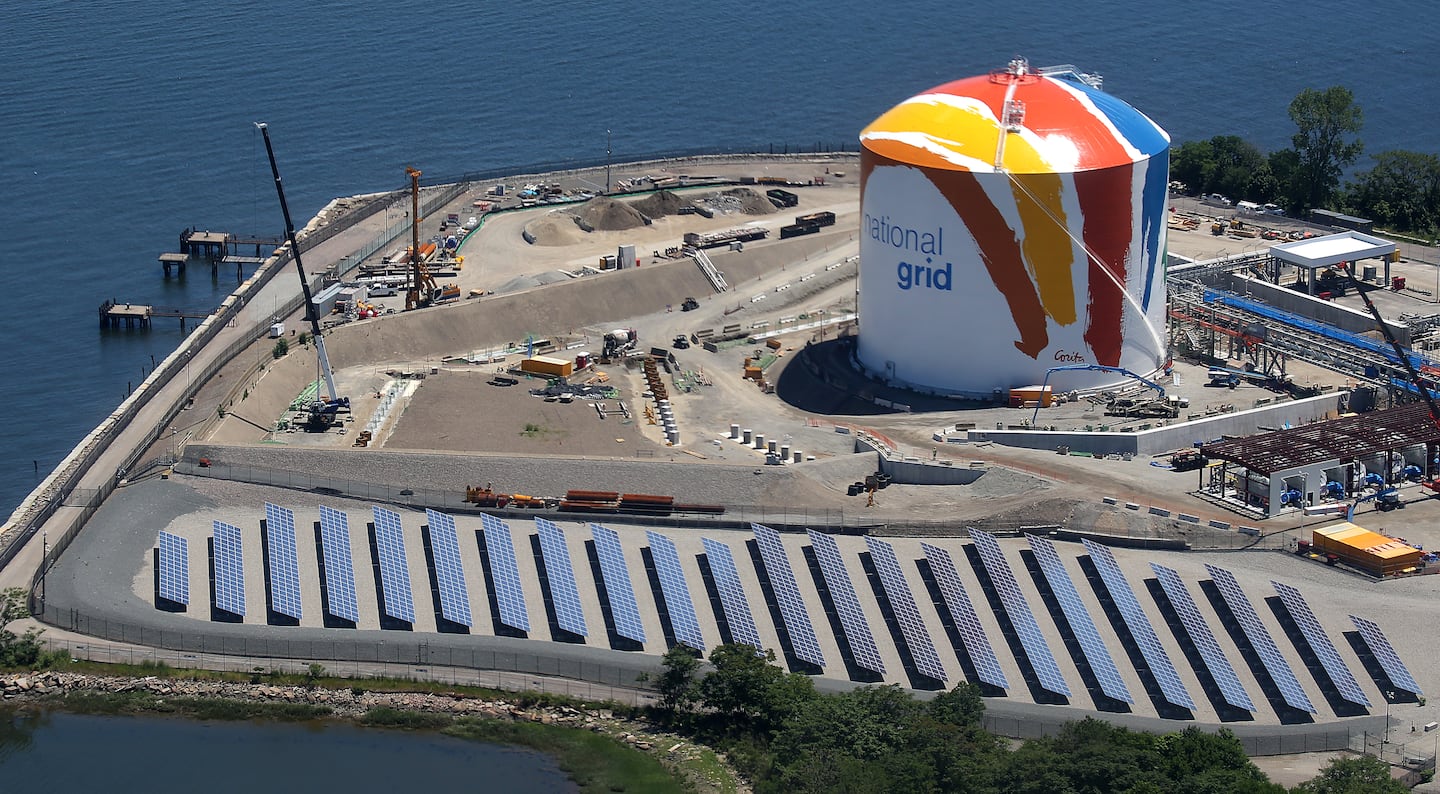
UPDATE: National Grid has just announced a controversial proposal to increase its base rate for natural gas by an alarming 10 percent, a move that exacerbates the ongoing energy affordability crisis impacting households across Massachusetts. This announcement follows a shocking request from Liberty Utilities, seeking a staggering average rate increase of 55 percent for customers in the Fall River area, highlighting the escalating financial burden on residents.
The implications of this proposed rate hike are significant, particularly for low-income and environmental justice communities, where residents already face disproportionate energy costs. As these communities struggle to make ends meet, the reliance on expensive and volatile fossil fuels continues to drive up energy bills.
Cynthia Mendes, Massachusetts director of Clean Water Action, expressed grave concerns over National Grid’s strategy, stating, “Proposing a roughly 10 percent average rate hike that relies on fossil fuel infrastructure, when Massachusetts desperately needs decarbonization, amounts to fiscal malfeasance.” This highlights a critical turning point as the state grapples with its energy sources and future.
In a recent policy shift, the Department of Public Utilities has mandated that new customers will now bear the full cost of their gas line connections, which averaged around $9,000 per home as of a few years ago. This change is part of Massachusetts’ larger strategy to achieve net-zero carbon emissions by 2050.
As energy prices continue to surge, the need for a transition to renewable energy sources becomes increasingly urgent. Many experts advocate investing in clean energy and efficiency improvements as the most effective path toward long-term affordability. Local initiatives like Mass Save have already generated over $34 billion in benefits and savings since 2010, emphasizing the potential of renewable energy to create jobs and stabilize costs.
Marvin Berkowitz, a resident of Needham, urged regulators to reconsider their approach, advocating for a rapid transition to proven heat pump technologies that significantly cut emissions and provide stable pricing. “Instead of bankrolling new gas infrastructure, regulators should mandate accelerated transitions to proven heat pump technology,” he stated.
With the looming threat of increased natural gas rates, Massachusetts leaders are under pressure to act decisively. As they strive to reduce energy costs for residents, maintaining the state’s commitment to climate leadership is paramount. The urgency for action is clear: communities must prioritize investments in locally generated clean energy and ensure efficiency upgrades are accessible to all.
As this situation develops, residents and advocates alike are calling for immediate attention to the implications of National Grid’s proposal. The future of energy in Massachusetts hangs in the balance as decisions made today will impact the financial well-being and environmental health of its communities for generations to come.
Stay tuned for the latest updates on this critical issue.