
NASA’s Crew-11 astronauts successfully splashed down off the coast of California in the early hours of January 8, 2024. Their departure followed a medical issue that necessitated their evacuation from the International Space Station (ISS), leaving the orbital laboratory temporarily staffed by just three crew members.
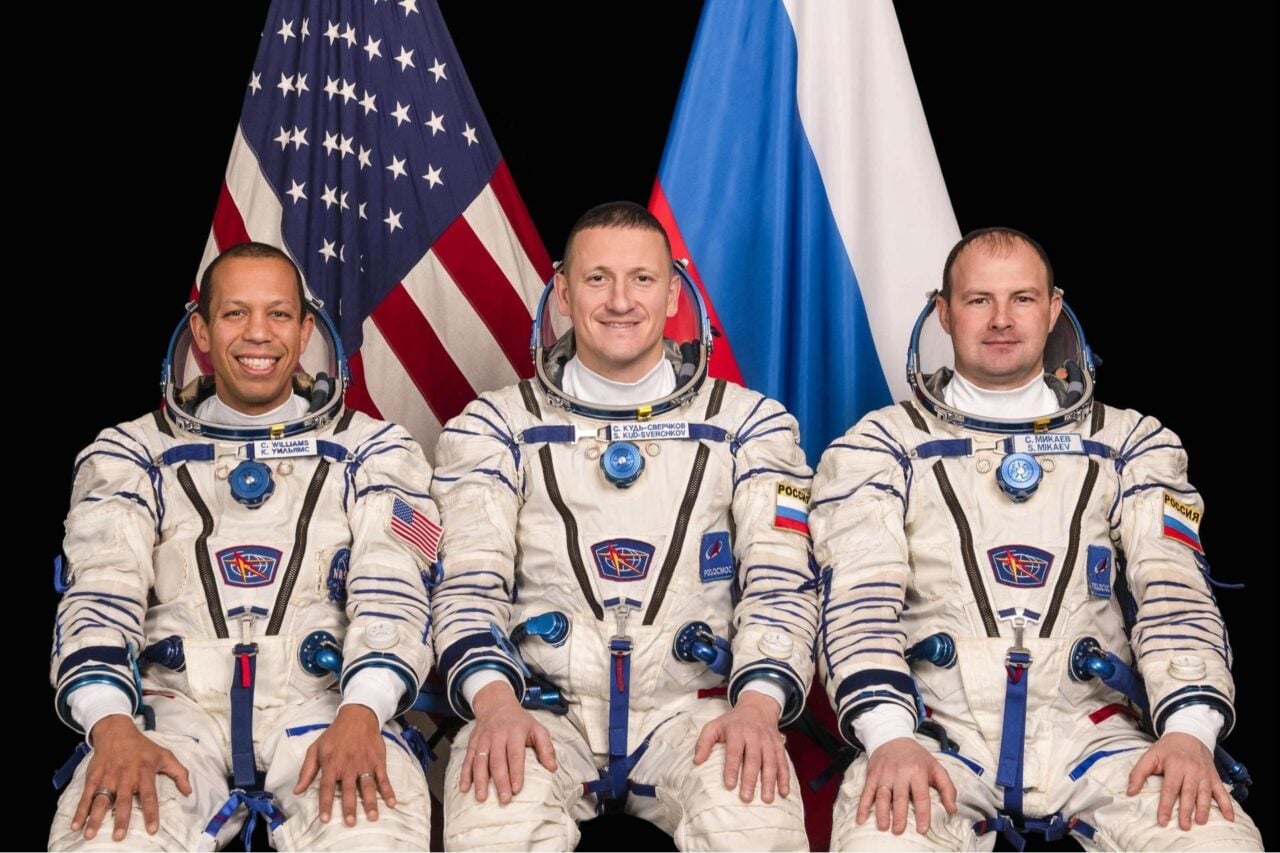
On January 6, Crew-11 pilot Mike Fincke handed command of the ISS to Sergey Kud-Sverchkov, a cosmonaut from Roscosmos. Fincke and his three crewmates departed the station on January 7, leaving Kud-Sverchkov, fellow cosmonaut Sergei Mikaev, and NASA astronaut Chris Williams as the only personnel on board. The ISS requires a minimum of three astronauts to operate safely, and while a reduced crew is not inherently dangerous, it presents challenges for daily operations.
Impacts of Reduced Staffing
The ISS has maintained a continuous human presence for the past 25 years, with its crew size evolving from three astronauts during its initial years to seven currently. The larger team allows for greater efficiency in scientific research and maintenance tasks. The unexpected departure of Crew-11 will require the remaining members to focus primarily on essential operations until Crew-12 arrives in February 2024.
With only three crew members, operations will inevitably slow down. Kud-Sverchkov, Mikaev, and Williams will prioritize vital maintenance and necessary tasks, limiting their capacity for research. Spacewalks, or extravehicular activities (EVAs), will also be restricted to only those deemed essential for safety, as typically, two crew members conduct EVAs while others provide support from inside the ISS. Williams will manage the NASA segment of the ISS alone while Kud-Sverchkov and Mikaev oversee the Roscosmos side.
NASA Associate Administrator Amit Kshatriya expressed confidence in the crew’s ability to maintain the station. “Chris is trained to do every task that we would ask him to do on the vehicle,” Kshatriya stated during a press conference. He emphasized the support that ground control teams and Williams’s Russian crewmates will provide during this period.
Future of Crew-11 and Health Considerations
With the return of Crew-11, all four astronauts are undergoing routine medical evaluations to initiate their reconditioning process. Prolonged exposure to low gravity leads to muscular atrophy, bone density loss, and fluid shifts, necessitating weeks of rehabilitation once back on Earth.
The astronaut whose medical condition prompted the evacuation will now receive specialized care that was not available in space. NASA has not publicly identified the affected astronaut or provided specifics about their condition, but has assured that they are stable. This evacuation marks a significant event, as it is the first of its kind in the ISS’s 25-year history.
NASA’s swift response in safely returning the Crew-11 astronauts underscores its preparedness for unexpected situations. Officials have expressed unwavering confidence in the remaining crew members’ ability to sustain ISS operations until Crew-12’s arrival. The team is expected to remain aboard the station until summer 2024, completing an eight-month mission.