
NASA is actively pursuing proposals for a new system designed to detect and identify drones operating over the Kennedy Space Center (KSC) in Cape Canaveral, Florida. The agency issued a call for proposals for Unmanned Aircraft System (UAS) detection and analysis services, with the intention of implementing the system by April 2026. This initiative aims to enable rapid decision-making to safeguard NASA personnel, the public, launch vehicles, and other critical assets.
The proposed system will incorporate both fixed and mobile sensors. According to the contract listing, its primary goal is “to make rapid and critical decisions to protect NASA personnel, the public, launch vehicles, flight hardware, critical high value assets, and security interests.”
Security Concerns Prompt Action
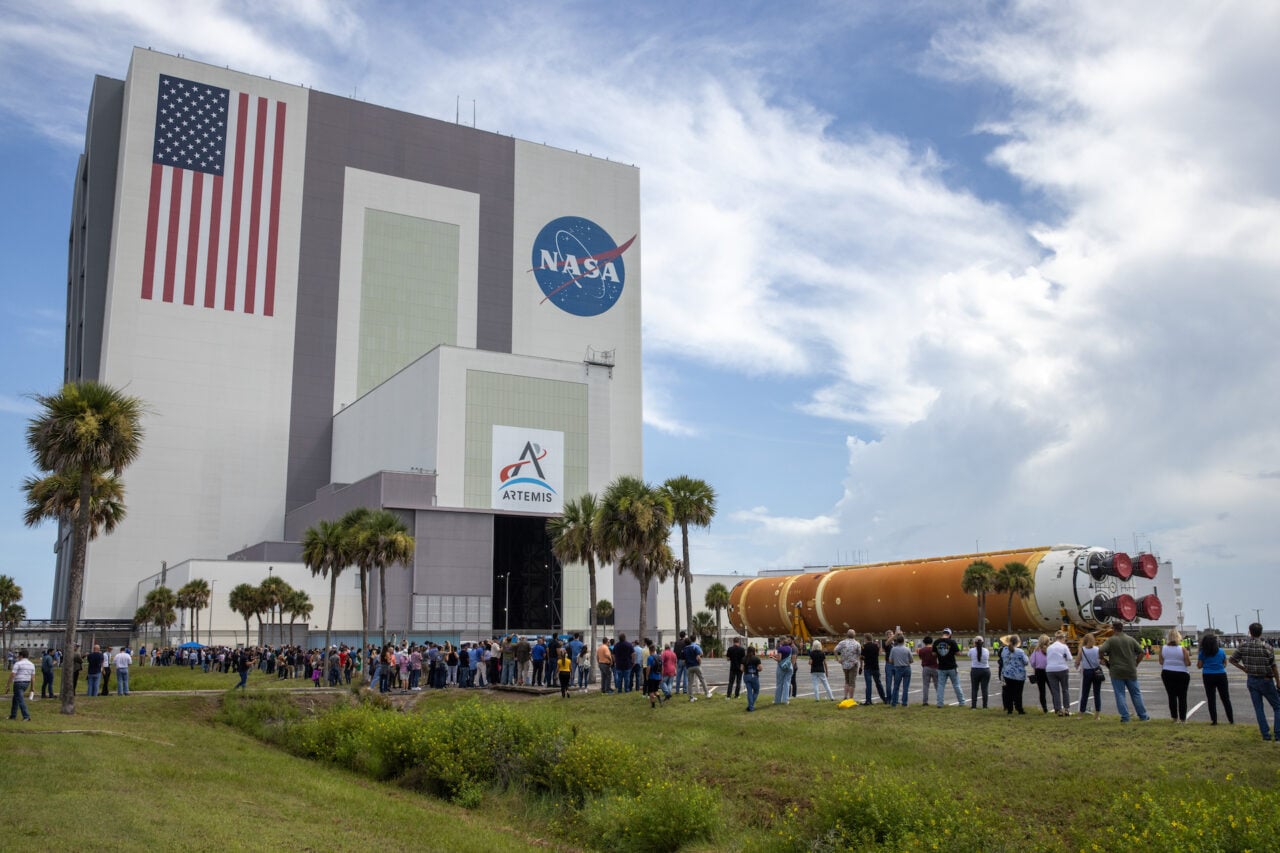
This move coincides with a recent announcement from the U.S. Federal Communications Commission (FCC), which implemented a ban on new foreign-made drones and drone components due to national security concerns. The KSC serves as NASA’s primary launch site, especially for the Space Launch System rocket intended to support the Artemis missions to the Moon. It also houses facilities dedicated to research and commercial space activities.
NASA’s proposal explicitly states that “all UAS flights over KSC property, whether inside or outside the security perimeter, are restricted and only occur with the approval of KSC Flight Operations.” While it remains unclear whether NASA has experienced significant threats from drones, this initiative appears to be a precautionary measure to protect its launch capabilities.
The extent of existing drone detection systems at the nearby Cape Canaveral Space Force Station, which conducts classified military activities, is also not publicly known.
Detection Capabilities and Background
The envisioned drone detection system is expected to identify unknown UAS within a range of at least 46 miles (64 kilometers). It will provide real-time threat analyses, detection capabilities, and alerting functions, enhancing the security protocols at KSC.
The recent restrictions on foreign-made drones arise from a defense bill passed in the previous year, which mandated a review of national security risks associated with these flying vehicles. In late 2024, there was a notable increase in reports of drones sighted over New Jersey, although many experts attributed these incidents to public confusion regarding traditional aircraft.
Interestingly, it has been noted that KSC’s Visitor Center is currently hosting a holiday drone show featuring 600 autonomous aircraft, showcasing the evolving landscape of drone technology in conjunction with safety measures.
As NASA moves forward with this initiative, the agency remains committed to ensuring the safety of its operations at one of the world’s most critical space launch facilities.