
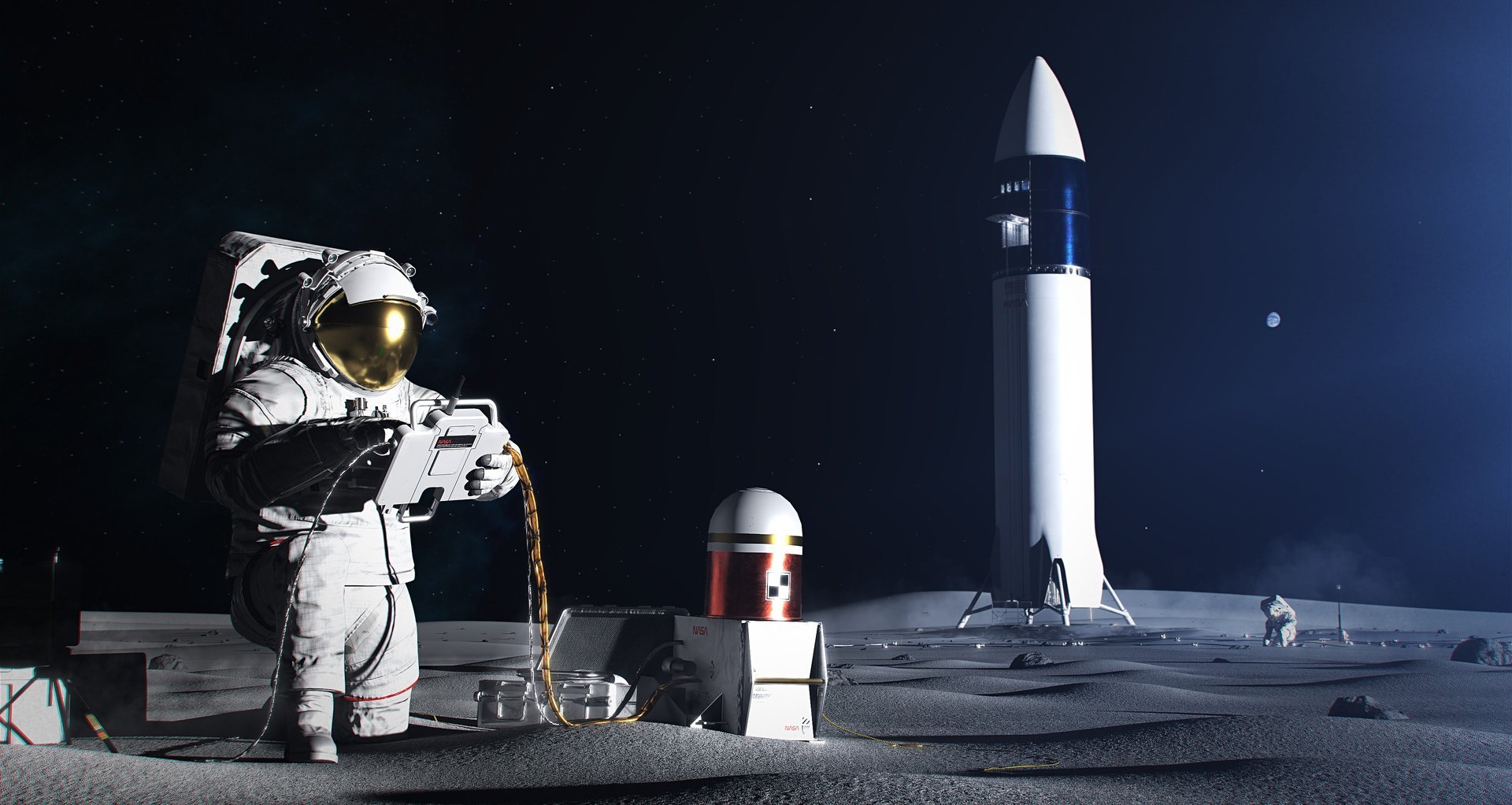
NASA is experiencing significant challenges as it aims to land astronauts on the moon again by the end of this decade. The agency faces another leadership transition, adding to the complexities of its ambitious goals. Recent comments from Casey Dreier, chief of space policy at the nonprofit Planetary Society, highlight a cautious optimism regarding NASA’s future, despite the uncertainties ahead. Dreier expressed that while many aspects remain unresolved, “the signs are more positive than I would have said a couple of months ago.”
One of the pressing issues is determining who will lead the agency. On his first day in office, President Donald Trump nominated tech billionaire Jared Isaacman as NASA’s administrator. However, in May, Trump withdrew Isaacman’s nomination amid a dispute involving SpaceX founder Elon Musk. Recently, Isaacman’s nomination was revived, suggesting a resolution to the rivalry. During the interim, Transportation Secretary Sean Duffy served as NASA’s acting administrator and reportedly positioned himself for the permanent role.
Isaacman, the founder of a private space program and a veteran of two privately funded orbital flights, received favorable reviews following his initial Senate confirmation hearing in April. Dreier anticipates that Isaacman’s upcoming second hearing will likely yield positive feedback as well. He noted, “Given the range of potential options, having someone who doesn’t dislike the agency that they want to run is actually not bad.”
Despite this optimism, Isaacman will need to address several concerns regarding his vision for NASA. Just before his renomination was announced, a leaked document titled Project Athena outlined Isaacman’s proposed reforms for the agency. The leak, believed to be orchestrated by Duffy to enhance his own candidacy, suggests transferring some responsibilities for space science missions from NASA to commercial entities. It also recommends removing NASA from “taxpayer-funded climate science” and shifting that focus to academia.
The report raises critical questions about the long-term funding of NASA’s heavy-lift Space Launch System (SLS) and the Gateway lunar outpost. While these proposals align with the Trump administration’s budget priorities, they may face resistance from members of Congress whose districts benefit from current NASA spending. Additionally, the report calls for an evaluation of the relevance of more than a dozen agency centers, including the renowned Jet Propulsion Laboratory, which oversees numerous robotic space exploration missions.
In response to criticism regarding Project Athena, Isaacman stated that the leaked draft was produced before his initial nomination withdrawal and emphasized that it is “now dated.” He clarified that his plan “never favored any one vendor, never recommended closing centers, or directed the cancellation of programs before objectives were achieved.” He further explained that the report did not explicitly call for the termination of the SLS program but suggested exploring the potential shift to a nuclear electric propulsion initiative after completing current budget objectives.
Dreier expressed support for certain aspects of Project Athena, particularly the emphasis on setting performance expectations for NASA’s initiatives. He highlighted the significance of nuclear electric power as a critical advancement. “I really think nuclear electric power is incredibly important, probably the most important legacy if he’s able to move that through,” he said. Dreier believes Isaacman’s non-partisan stance should aid in navigating the confirmation process, though he will likely need to commit to addressing concerns raised by his critics.
Should Isaacman secure confirmation, he will face a complex landscape of space policy challenges. Dreier raised concerns about SpaceX‘s dominant role in America’s space initiatives, particularly regarding the moon missions. He cautioned that if the national space effort becomes overly reliant on a single company, it may jeopardize broader goals. Additionally, he warned about the potential narrowing of NASA’s focus, which could limit opportunities for scientific exploration beyond a select few celestial bodies.
As the space agency moves forward, the next administrator will have to balance ambitious objectives with the diverse interests of various stakeholders. With the backdrop of a rapidly evolving space landscape, the decisions made in the coming months will have lasting implications for NASA and its mission to explore beyond Earth.