
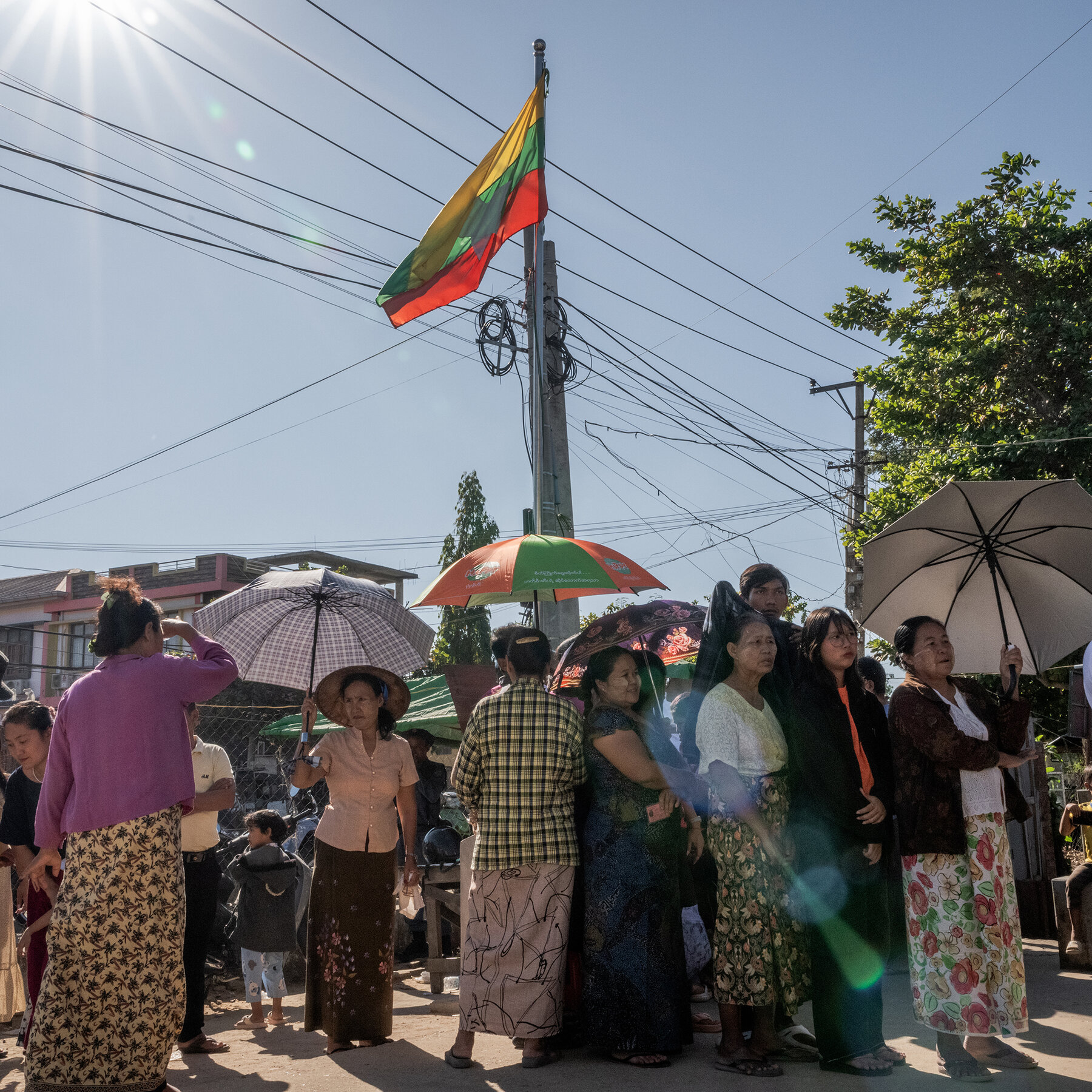
The National Unity Government (NUG) of Myanmar, formed as a pro-democracy alternative to the military junta following the 2021 coup, is grappling with diminished influence and relevance. Critics highlight that the NUG has struggled to meet its objectives, raising concerns about its future viability in the ongoing struggle for democracy in Myanmar.
In the wake of the coup, which ousted the democratically elected government led by Aung San Suu Kyi, the NUG emerged as a pivotal player in organizing resistance against the junta. It sought international recognition and support, aiming to represent the aspirations of the Myanmar people. Despite these efforts, the NUG has faced significant challenges in establishing a strong foothold both domestically and internationally.
One of the most pressing issues is the fragmentation within the pro-democracy movement. Various ethnic armed groups and political factions have differing priorities and strategies. This lack of unity has hindered the NUG’s ability to present a cohesive front against the junta, weakening its position in the eyes of the international community.
Criticism Over Ineffectiveness
Critics argue that the NUG has been ineffective in mobilizing support among the populace and in coordinating with ethnic groups. According to a report by Human Rights Watch, the government’s inability to secure significant victories against the military has led to growing disillusionment. The report states that the NUG has not effectively utilized its resources or capitalized on the widespread resentment against the junta.
Efforts to gain recognition from international bodies, including the Association of Southeast Asian Nations (ASEAN), have also fallen short. The NUG’s requests for engagement and support have been met with hesitation, as ASEAN member states navigate their diplomatic relations with Myanmar’s military leaders. This reluctance has further accentuated the NUG’s struggle for legitimacy on the global stage.
The situation in Myanmar remains dire, with ongoing violence and human rights abuses reported by various organizations. The junta’s crackdown on dissent has resulted in thousands of arrests and numerous casualties. In this context, the NUG’s role as a unifying force for democracy is increasingly questioned, as it faces internal divisions and external pressure.
Future Prospects for the NUG
Looking ahead, the NUG must reassess its strategies to regain relevance and bolster its influence. Engaging more effectively with local communities and fostering unity among diverse groups could strengthen its position as a legitimate alternative to the junta. Furthermore, building alliances with international organizations may enhance its visibility and support.
The international community continues to monitor the situation closely, with calls for increased humanitarian aid and political pressure on the junta. The future of Myanmar remains uncertain, and the trajectory of the NUG will play a critical role in shaping the country’s path forward.
As the NUG navigates these challenges, the hope for a peaceful and democratic Myanmar hangs in the balance. The organization’s ability to adapt and respond to the realities on the ground will determine its relevance in the ongoing fight for democracy in the region.