
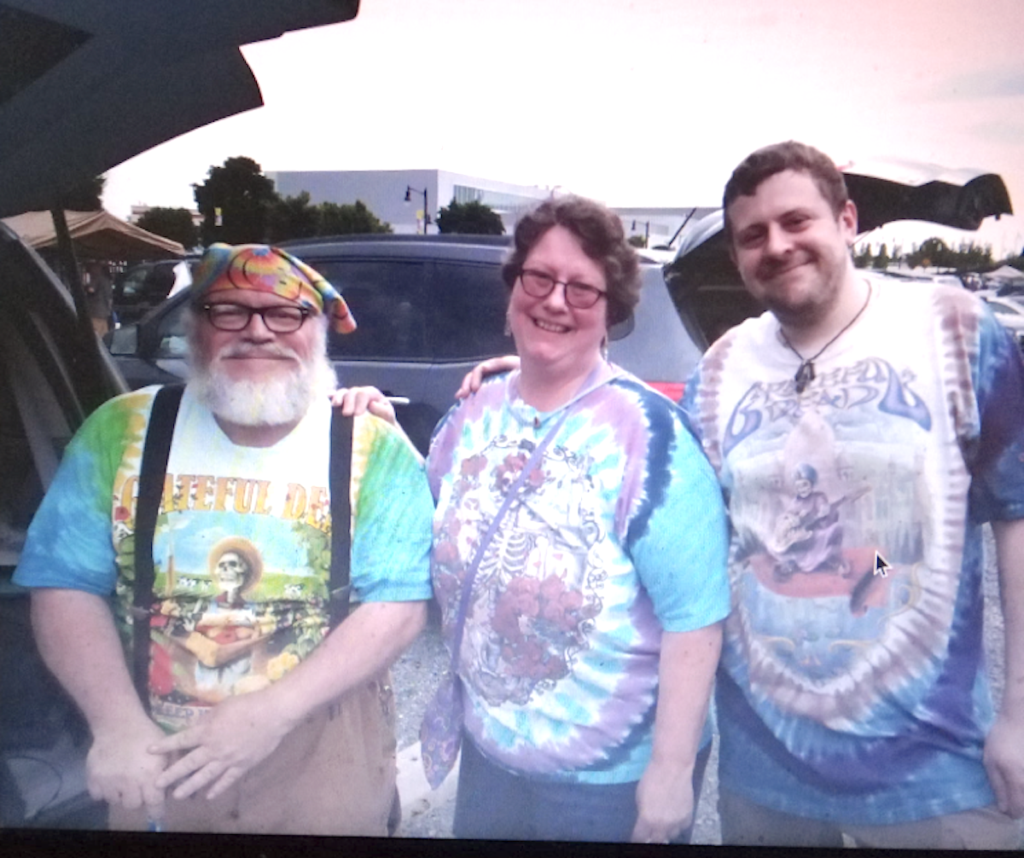
Bob Weir, a founding member of the legendary rock band Grateful Dead, passed away recently at the age of 78. His death marks a significant moment for fans and the music community, as Weir was not only a key figure in the band’s history but also a driving force in keeping the spirit of the Grateful Dead alive long after the passing of frontman Jerry Garcia.
Legacy of a Musical Journey
Bob Weir co-founded the Grateful Dead in 1965, alongside Garcia, Phil Lesh, and other influential musicians. The band became a cultural phenomenon, known for their eclectic mix of genres, including rock, country, and bluegrass. They built a devoted following, affectionately called “Deadheads,” who celebrated the band’s unique improvisational performances. Over the course of their career, the Grateful Dead produced a vast catalog of music and fostered a sense of community among fans.
Weir’s influence extended beyond music. He was instrumental in various philanthropic efforts, supporting environmental projects and organizing fundraising concerts. His commitment to social causes reflected the band’s ethos and resonated deeply with fans worldwide. As one admirer noted, “They’re a band beyond description, like Jehovah’s favorite choir.”
Continuing the Musical Legacy
After Garcia’s passing in 1995, Weir took on the challenge of preserving the band’s legacy. He led a reconfigured group under various names, including Further and The Other Ones. Despite the challenges, Weir’s dedication to the music never waned. The band attracted new fans while maintaining the loyalty of long-time followers.
In 2015, the Grateful Dead celebrated their 50th anniversary with a series of concerts at Soldier Field in Chicago, where they performed alongside notable artists, including Trey Anastasio of Phish. This event reignited interest in the band and proved that their music still held a powerful place in contemporary culture.
The formation of Dead and Company further showcased Weir’s ability to adapt and thrive in the evolving music landscape. Featuring John Mayer, the group faced initial skepticism from older fans. However, as Mayer began to embrace the band’s extensive repertoire, including songs that hadn’t been performed in years, many were won over by the new dynamic.
Weir’s passing brings a profound sense of loss to the music community. Fans remember him not just for his musical talents but for his genuine connection with audiences. Pierre Robert, a renowned Philadelphia DJ and fellow Deadhead, expressed his sorrow on air, sharing a moment of collective grief with listeners upon hearing the news.
As tributes pour in from across the globe, it is clear that Bob Weir’s influence will continue to resonate. He played an integral role in shaping the sound and culture of the Grateful Dead, and his legacy will carry on through the music and the community he helped cultivate. Weir’s journey, spanning over three decades with Garcia and an additional 31 years without him, reflects a remarkable commitment to the art of performance. His hope for the future of Dead and Company suggests that for devoted fans, the music truly never stops.
Fans and fellow musicians alike celebrate Weir’s life and legacy, honoring a man who not only contributed to a musical revolution but also fostered a sense of belonging and joy that transcended generations.