
Recent research suggests that mRNA technology, which played a crucial role in combating the COVID-19 pandemic, may now be instrumental in the fight against cancer. Findings from the MD Anderson Cancer Center and the University of Florida indicate that lung and skin cancer patients receiving COVID-19 mRNA vaccines alongside traditional immunotherapy experienced nearly double the survival rate compared to those who underwent immunotherapy alone. This discovery points to the potential of mRNA vaccines to “retrain” patients’ immune systems to target and attack tumors, leading some scientists to label it a significant step toward developing a universal cancer vaccine.
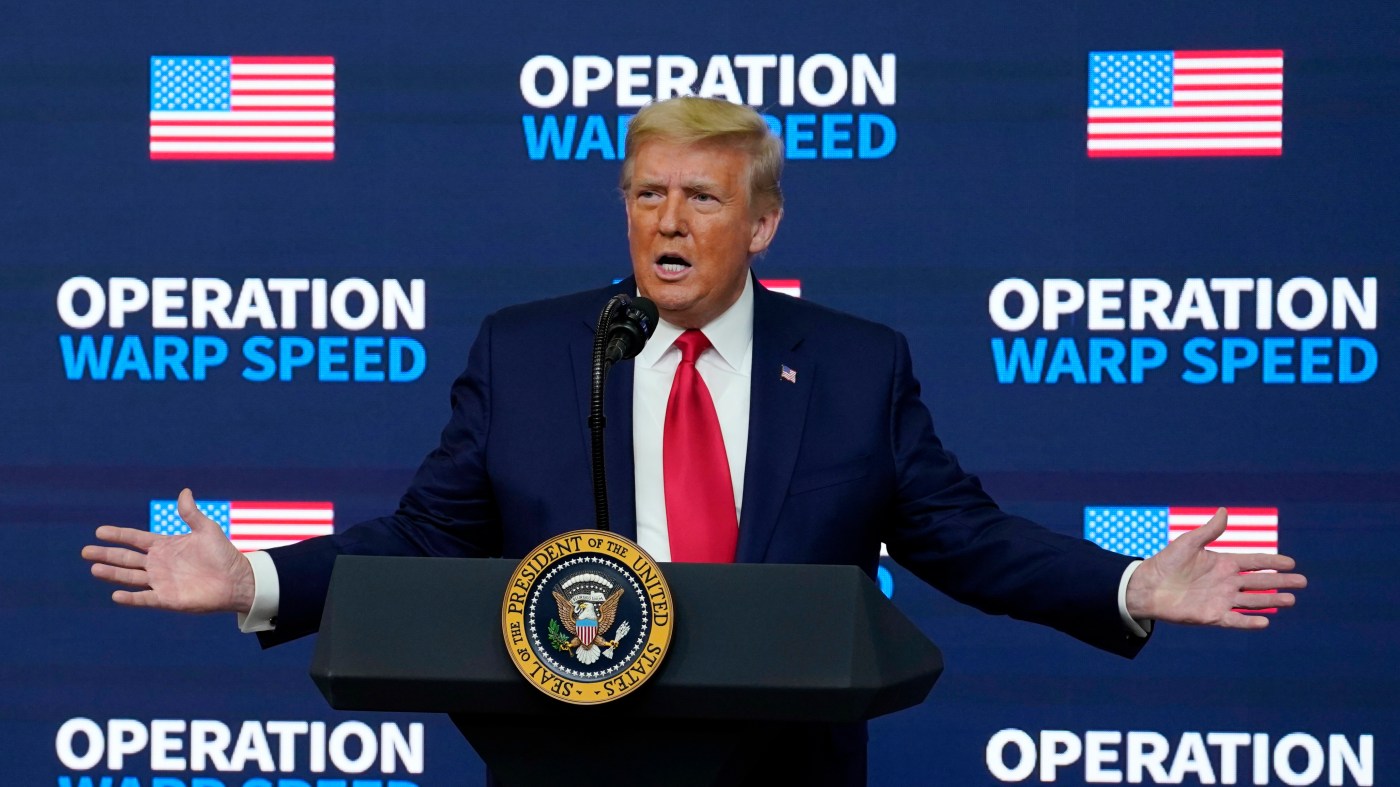
The advancements in mRNA technology can be traced back to the efforts of Operation Warp Speed, a program initiated during former President Donald Trump‘s administration. This initiative successfully expedited the development and distribution of mRNA vaccines within a remarkable seven-month timeframe, ultimately saving millions of lives and potentially avoiding $1 trillion in healthcare expenditures. The results have sparked renewed interest in mRNA research, which had long been underfunded despite its prospects in treating various diseases, including cancer.
As of now, over 120 mRNA clinical trials are in progress for multiple cancer types, with early studies indicating that these vaccines could reduce relapse rates in melanoma and shrink pancreatic tumors. What began as an urgent response to a global pandemic is evolving into a transformative movement in medical treatment.
Policy Implications for Cancer Research
Despite the promising developments in mRNA research, recent policy actions have raised concerns about the future of this technology in cancer treatment. The administration of President Joe Biden has launched the Cancer Moonshot initiative, aiming to accelerate advancements in cancer prevention, detection, and treatment. However, critics argue that certain policies, particularly the Inflation Reduction Act, may inadvertently hinder progress by imposing price controls on new drugs. Such measures could deter the necessary long-term investments and risk-taking that are critical for the development of innovative cancer therapies.
Industry data indicates a notable decline in post-approval clinical trials aimed at exploring new applications for cancer drugs since the Inflation Reduction Act took effect. Companies are increasingly shelving projects that are unlikely to yield returns under the government’s pricing framework.
Adding to these concerns, the recent actions of Health and Human Services Secretary Robert F. Kennedy Jr. have drawn scrutiny. Reports reveal that nearly $500 million in contracts for mRNA vaccine research have been cut, raising alarms just as the technology’s potential for cancer treatment is gaining visibility.
Looking Ahead
The prospects for mRNA technology in cancer treatment are optimistic, yet there is a call for renewed support and investment. A second Trump administration could build on the achievements of the first by prioritizing funding for mRNA research and streamlining the drug approval process. Such steps would enable American companies to expedite the development of next-generation treatments and cures for cancer.
As the medical community continues to explore the capabilities of mRNA technology, the implications of both policy and funding will play a crucial role in determining the trajectory of cancer research. The intersection of innovation, government support, and financial investment may well dictate the future of cancer treatment in the coming years.