
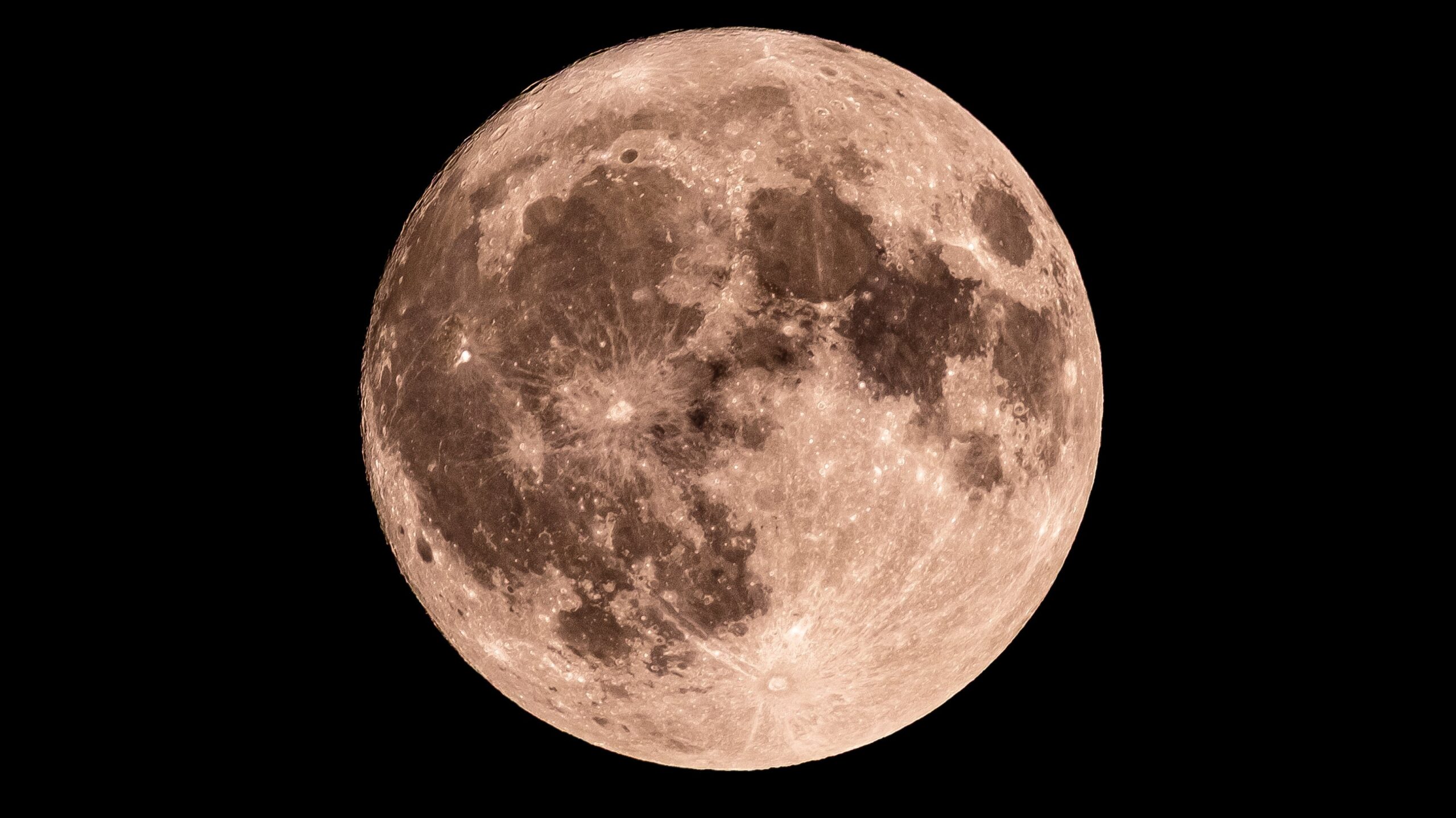
The Moon is making its return with the start of a new lunar cycle, becoming increasingly visible each night. As of December 21, 2023, the Moon is in the Waxing Crescent phase, with only 2% of its surface illuminated. This means that stargazers will see a small sliver of light, while much of the Moon remains dark and devoid of detail.
Understanding the Moon’s phases can enhance our appreciation of its beauty and significance. The next full moon will occur on January 3, 2024, following the last full moon on December 4, 2023. This transition from a full moon to a waxing crescent illustrates the natural ebb and flow of lunar visibility.
What Are Moon Phases?
According to NASA, the Moon takes approximately 29.5 days to complete one full lunar cycle. Throughout this period, it progresses through eight distinct phases as it orbits Earth. The cycle begins with the New Moon, when the Moon is positioned between Earth and the Sun, rendering it invisible to observers on the ground.
In the following phase, the Waxing Crescent, a thin sliver of light appears on the Moon’s right side for observers in the Northern Hemisphere. This is followed by the First Quarter, where half of the Moon is illuminated, resembling a half-moon. The cycle continues with the Waxing Gibbous, when more than half of the Moon is lit but it is not yet full.
The Full Moon marks the peak of illumination, with the entire face of the Moon visible. After this, the Moon enters the Waning Gibbous phase, where it begins to lose light on the right side. The cycle then proceeds to another half-moon, known as the Third Quarter or Last Quarter, with the left side now illuminated, before concluding with the Waning Crescent, where only a thin sliver of light remains.
Understanding these phases not only enriches our knowledge of the Moon but also connects us to the rhythms of nature. Each phase offers a unique perspective, inviting us to look up and marvel at our celestial neighbor. As we approach the full moon next month, enthusiasts and casual observers alike can appreciate the gradual transformation of the Moon in the night sky.