
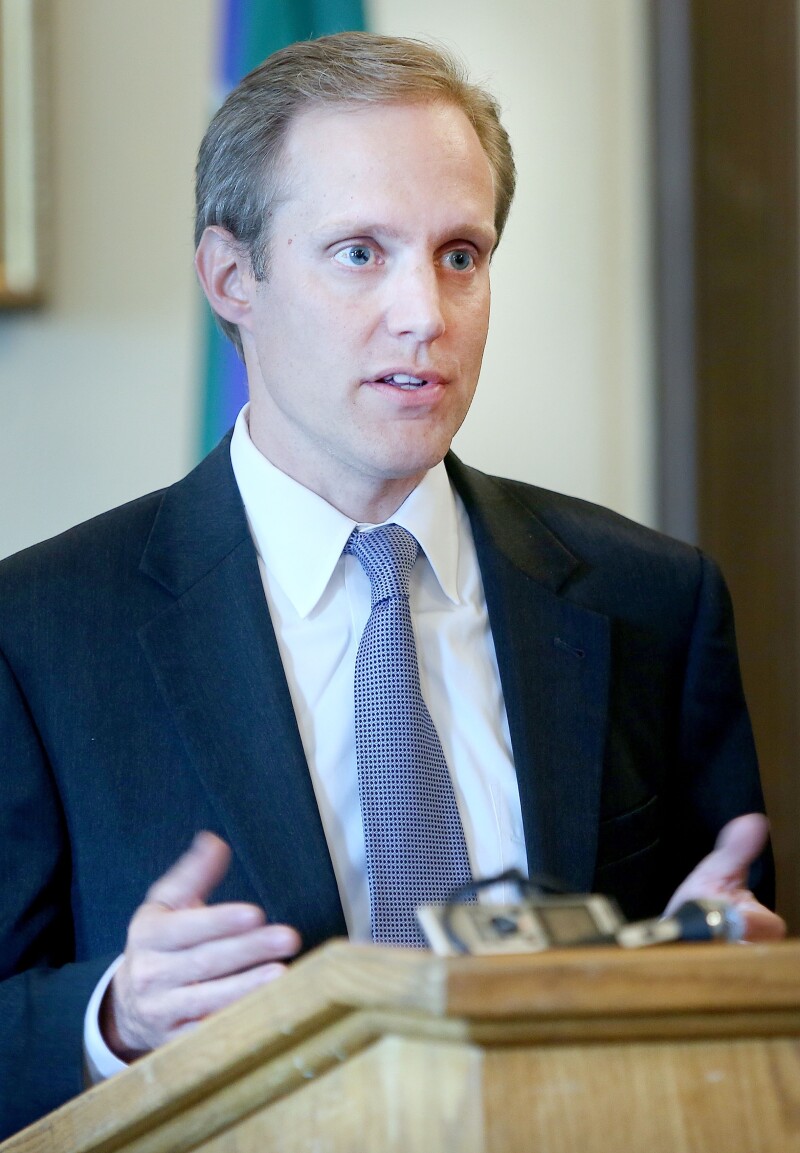
The Minnesota Secretary of State, Steve Simon, has firmly rejected a federal request for access to private voter data. On January 24, 2026, U.S. Attorney General Pam Bondi sent a letter to Minnesota Governor Tim Walz, asking for the state to provide voter registration details. This request coincided with heightened tensions in the state following the fatal shooting of a second Minnesotan by federal immigration enforcement agents and a significant peaceful march against federal actions.
In his response, Simon characterized Bondi’s letter as an “outrageous attempt” to pressure Minnesota into disclosing private information about its voters, which he argued violates both state and federal laws. Simon emphasized the integrity of Minnesota’s electoral process, stating, “Minnesota’s elections are fair, accurate, honest, and secure.” He highlighted that the management of voter registration is the responsibility of local officials dedicated to protecting citizens’ access to secure ballots.
The Secretary of State noted that his office had already provided the DOJ with a comprehensive explanation of how they securely manage voter registration files. Despite this, the DOJ continues to seek sensitive data, such as social security and driver’s license numbers, without citing any evidence of wrongdoing in Minnesota’s election processes.
Simon pointed out that Minnesota is not alone in its refusal to comply with the federal request. A total of 31 other states have also declined to provide similar voter data, with the DOJ currently engaged in active litigation with 24 states. Courts have dismissed the DOJ’s claims in three cases, underscoring the legal challenges the federal government faces in pursuing these data requests.
The Secretary of State condemned the federal government’s approach, stating, “It is deeply disturbing that the U.S. Attorney General would make this unlawful request a part of an apparent ransom to pay for our state’s peace and security.” He further criticized the tactics of the Immigration and Customs Enforcement (ICE) agents, describing them as dangerous and destabilizing, asserting that they often instill fear rather than protect public safety.
Simon expressed gratitude for the peaceful response of Minnesotans amid these tensions, calling for continued de-escalation. He urged the community to meet division with compassion and light, stating, “I have been heartened by Minnesotans’ resolve thus far to remain peaceful and law-abiding.”
This situation highlights the ongoing conflict between state and federal authorities regarding voter privacy and the broader implications of immigration enforcement tactics. As Minnesota stands firm against the federal government’s demands, the outcome will likely have significant implications for voter data privacy and the relationship between state and federal agencies moving forward.