
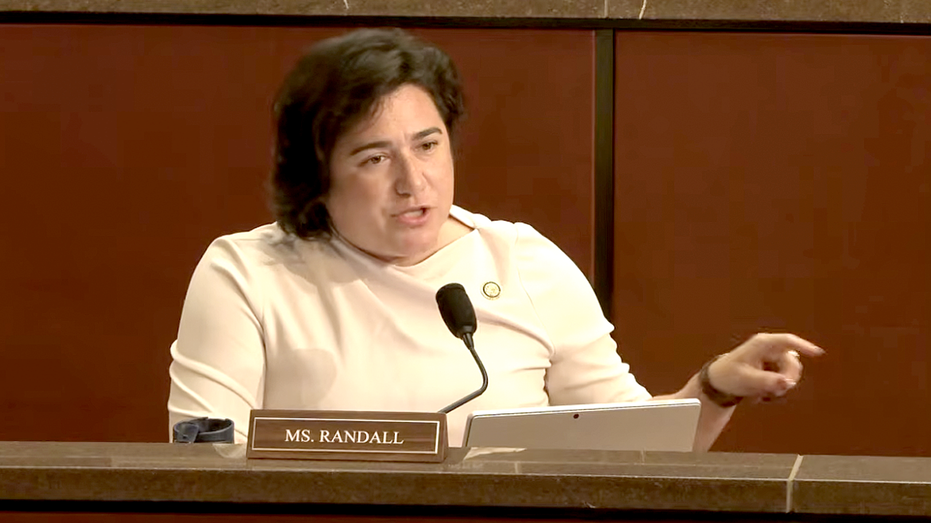
URGENT UPDATE: During a high-stakes fraud hearing on October 25, 2023, Rep. Emily Randall, D-Washington, ignited controversy by redirecting attention from alleged fraud in Minnesota to crime statistics regarding White men and January 6 defendants. The hearing, part of a U.S. House Oversight Committee inquiry, comes amid mounting scrutiny of Minnesota’s government assistance programs, which prosecutors estimate could have lost as much as $9 billion under Democratic Gov. Tim Walz‘s administration.
The committee convened to address ongoing fraud issues, but Randall’s remarks shifted the focus sharply. “What percentage of sexual assaults in the United States are committed by White men?” she asked her colleague, Republican Kristin Robbins, citing a staggering statistic of 57%. She further claimed that a significant number of those pardoned for involvement in the January 6 Capitol riot had been convicted of additional crimes.
Randall emphasized the need for the committee to examine crimes committed by “American citizens” and specifically “White men,” stating, “We need to look at ourselves.” Her comments come as Minnesota grapples with revelations of large-scale fraud, where entities posing as daycare centers and medical providers allegedly siphoned millions from essential programs meant to serve vulnerable populations.
As Randall continued, she referenced data indicating that 41% of murder suspects in the United States in 2023 were White men, calling for a deeper examination of domestic violence and extremism. “Looking at American citizens. Looking at White men, who are committing violence at disproportionate rates in our country,” she stressed during the hearing.
Authorities reported that many of those involved in the fraud schemes are linked to Minnesota’s Somali community, which has further stirred debate about the implications of identity in crime discussions. James Comer, the oversight committee’s chairman, described the fraud as a betrayal of trust, noting that it stole resources intended for children and vulnerable Americans.
Officials, including Randall, are now under scrutiny for their handling of the hearing, as many critics argue that the focus should remain on addressing the alleged fraud rather than diverting attention to unrelated issues.
As investigations continue, the implications of Randall’s comments resonate deeply within the community and the nation. The hearing not only underscores the ongoing crisis in Minnesota’s assistance programs but also raises critical questions about accountability and social justice in America.
Stay tuned for more updates as this story develops, particularly regarding the potential fallout from these remarks and the future of Minnesota’s government programs.