
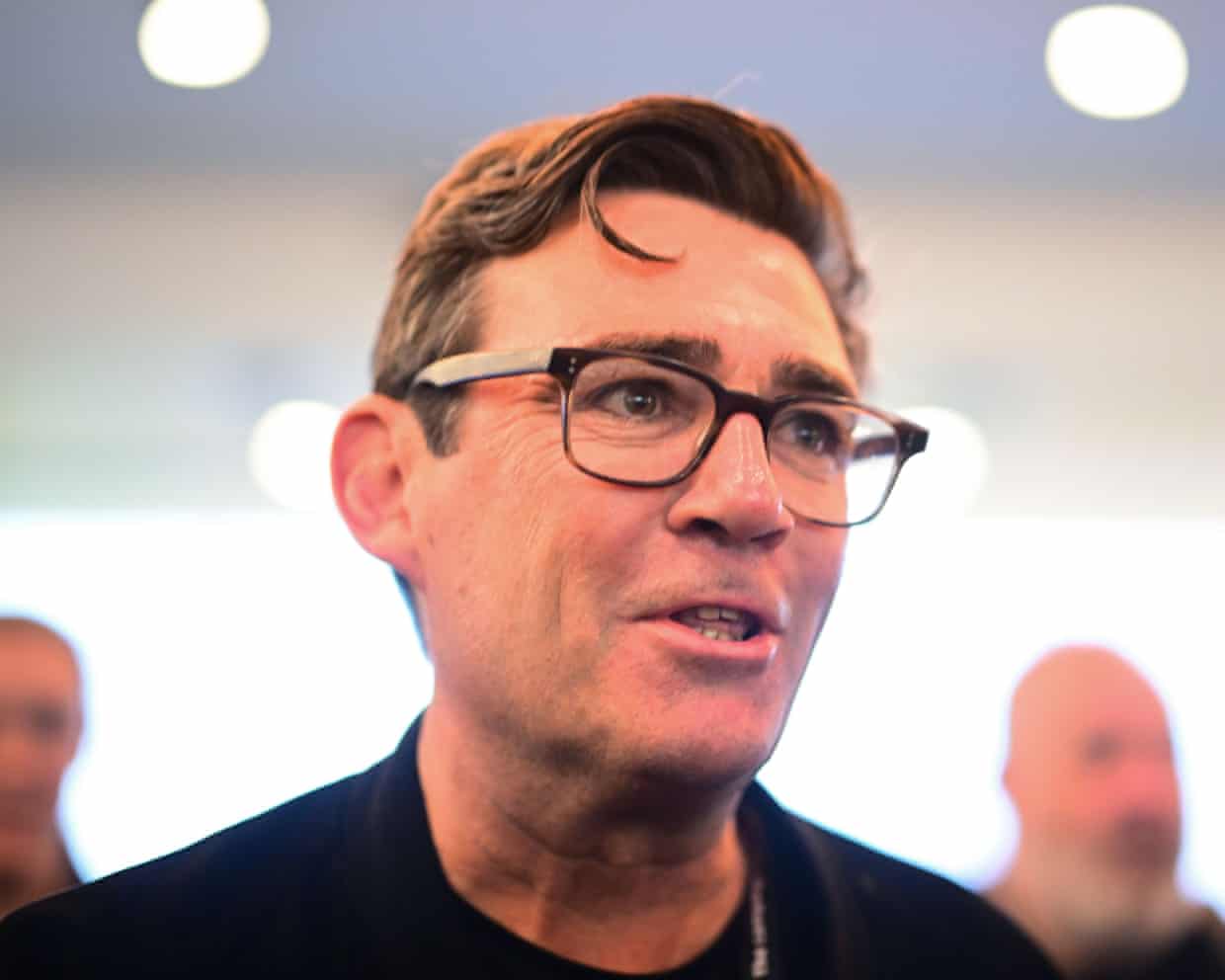
In a significant political move, Minister Douglas Alexander has defended the decision to block Andy Burnham from participating in the upcoming byelection in Greater Manchester. Alexander argued that allowing Burnham to enter the race would create an “unnecessary” contest for the mayoral position, which could strain the resources of the Labour Party.
Speaking in a recent interview, Alexander highlighted the potential implications of a campaign in Greater Manchester. He stated that such a contest would have “a substantial and disproportionate impact” on party resources, particularly at a time when the Labour Party is focused on broader electoral strategies.
The byelection, prompted by the anticipated resignation of a local councillor, has stirred considerable debate within political circles. Critics of the decision have voiced concerns that the move undermines democratic processes. However, Alexander emphasized the need for strategic resource allocation in the face of challenging electoral landscapes.
Political Landscape in Greater Manchester
Greater Manchester has long been a stronghold for the Labour Party, with Burnham serving as an influential figure since his election as mayor in 2017. His leadership has garnered significant support, making the byelection particularly contentious. Alexander’s remarks reflect a broader concern within the party regarding the potential fragmentation of voter support.
According to party insiders, the decision to block Burnham is rooted in a strategic assessment of the party’s capabilities. The Labour Party is gearing up for key elections in 2024, and the focus is on consolidating efforts rather than diverting attention to local contests that may not yield favorable outcomes.
The dynamics of local politics can often lead to unforeseen consequences. By sidelining Burnham, the Labour Party aims to maintain unity and ensure that resources are utilized effectively. This decision illustrates the balancing act that political leaders must perform, weighing local interests against national priorities.
Reactions and Future Implications
The reaction to Alexander’s justification has been mixed. Supporters argue that the decision is pragmatic, while detractors view it as a calculated move to suppress competition within the party. The implications of this decision could resonate beyond the byelection, potentially influencing the party’s strategy in areas where Burnham’s popularity is a significant factor.
As the Labour Party navigates this complex terrain, the focus remains on the upcoming elections. The decision to block Burnham may set a precedent for how the party approaches similar situations in the future. With political tensions running high, the outcome of the byelection will be closely monitored.
In conclusion, the Labour Party’s choice to prevent Burnham from running in the Greater Manchester byelection underscores the strategic challenges facing political leaders today. As they balance local aspirations with national objectives, the ramifications of these decisions will undoubtedly shape the party’s trajectory in the months to come.