
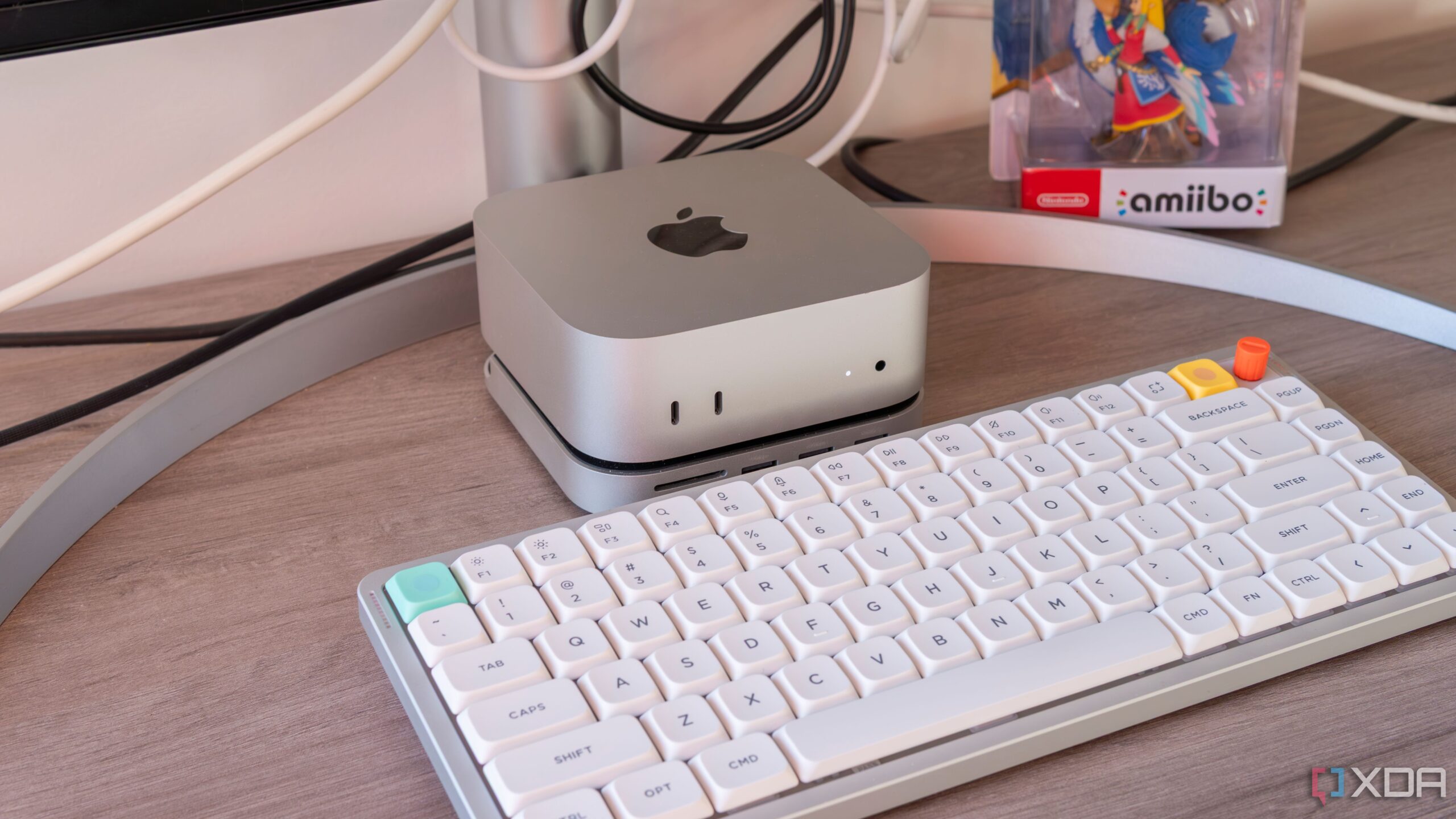
URGENT UPDATE: The debate over whether mini PCs can replace traditional desktop computers is heating up as consumers face ongoing PC component shortages. Many are tempted to swap their bulky desktops for sleek, compact mini PCs, but experts warn this could lead to significant performance disappointments.
With the RAM crisis impacting various tech industries, including storage and GPUs, consumers are scrambling to find alternatives. High demand has resulted in PC parts and laptops flying off the shelves. Many tech enthusiasts have started exploring mini PCs, drawn by their compact design and impressive specifications on paper. However, the reality is far more complex.
The allure of a clutter-free desk setup is understandable, especially for those working from home. Yet, transitioning from a full-fledged desktop to a mini PC can backfire. Mini PCs are excellent as secondary mobile workstations, but they are not equipped to handle the heavy workloads that desktops manage with ease.
Experts emphasize the crucial difference in processing power. For instance, while many mini PCs boast an Intel Core i7 processor and 32GB RAM, these models often feature mobile-series components designed for lower power consumption. This means they cannot compete with the performance of desktop processors, which can draw up to 125 watts and handle demanding tasks without throttling.
Heat management is a major concern. Mini PCs are designed to be compact, creating an environment where heat can accumulate rapidly. As a result, while they may feel responsive during light tasks like browsing the web, they struggle under sustained loads such as 4K video rendering. The cooling systems in mini PCs simply cannot match the expansive airflow and cooling capabilities of desktop towers.
Additionally, many mini PCs come with limited options for fan optimization, leading to loud operation under stress. This lack of flexibility can be frustrating for users who expect a quiet workspace.
Moreover, the lifespan of a mini PC is significantly shorter than that of a desktop. Unlike desktops, which can be upgraded over time, mini PCs often feature proprietary components that limit future enhancements. Once their processors become outdated, they may only be suitable for basic tasks, effectively locking users into their initial purchase.
The absence of a dedicated graphics card is another critical limitation for many mini PCs. While they may handle everyday computing tasks, they fall short for high-performance activities such as gaming or running advanced applications. Some high-end models offer mobile discrete GPUs, but most rely on integrated graphics, resulting in long wait times for tasks like video editing.
If your work involves demanding applications or gaming, a mini PC may not be the best choice. For many, a Mini ITX desktop build might provide a better mix of performance and compactness without sacrificing capability.
Despite the drawbacks, some users still find value in mini PCs for specific tasks like content consumption and light productivity. They can serve as portable office solutions, ideal for those who need a computer on the go. However, tech experts caution consumers to weigh their options carefully before making a purchase.
As of now, Apple Mac Minis stand out as a rare exception, proving capable of rivaling traditional desktops due to their unique architecture.
In conclusion, while mini PCs offer an appealing alternative to bulky desktops, potential buyers must recognize the inherent limitations. The performance gaps, heat management issues, and upgrade constraints make it essential to assess individual needs before committing to a mini PC.
Stay tuned for more updates on the evolving landscape of PC technology as consumers continue to navigate the challenges posed by supply shortages and changing computing requirements.