
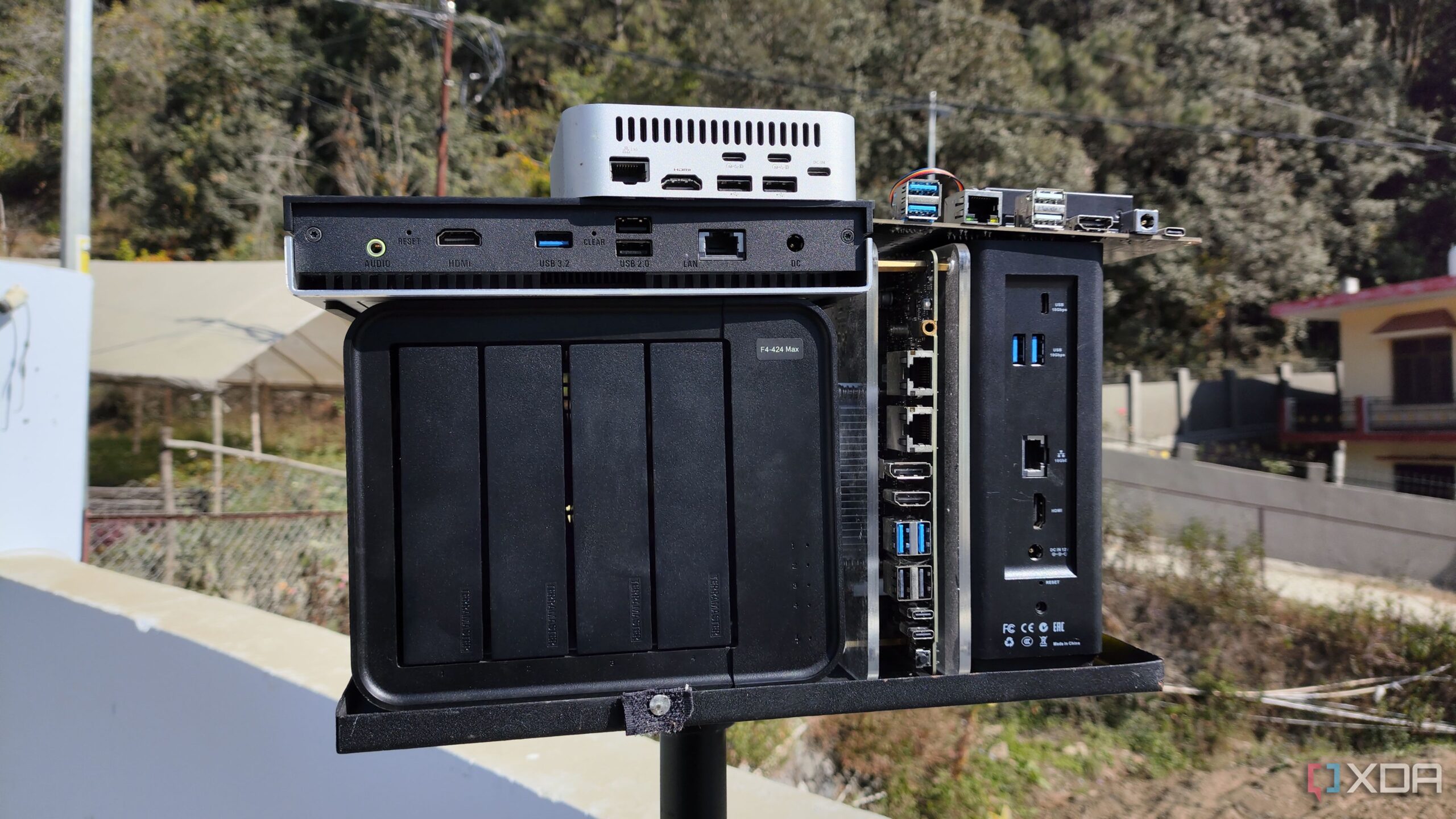
UPDATE: New insights reveal that mini PCs are becoming essential for home servers, revolutionizing how users manage media, files, and automation. With the demand for reliable long-term performance soaring, these devices are increasingly recognized for features that significantly enhance their operational stability and efficiency.
Home servers, often running quietly in the background, are crucial for tasks like media streaming, file serving, and data backups. The hardware chosen directly affects user experience over extended periods. Many users are now realizing that beyond flashy specifications, several key features are vital for optimal performance, especially for those looking to self-host applications or manage data effectively.
Immediate Impact: Power efficiency is emerging as a top priority. Mini PCs that consume minimal energy during idle times not only save money but also reduce heat generation, enhancing both longevity and noise reduction. A well-designed system is crucial, as it maintains a stable thermal profile even under heavy workloads. For users running multiple applications or home automation services, this efficiency ensures that the server remains responsive without overwhelming power bills.
Another significant advancement is the introduction of NVMe storage options in many mini PCs. High-speed NVMe drives enable rapid data access, crucial for launching applications quickly and ensuring smooth media playback. With multiple NVMe slots now available in many models, users can easily expand their storage capacity, keeping performance high even as demands grow.
Networking capabilities are also advancing, with many mini PCs now featuring 2.5-gigabit Ethernet ports. This upgrade more than doubles the bandwidth compared to traditional gigabit connections, facilitating faster data transfers and smoother streaming of high-bitrate 4K content. Such advancements are particularly beneficial for households with multiple users accessing media simultaneously, significantly reducing buffering times.
Furthermore, the stability of memory in these systems cannot be overstated. Many mini PCs now support ECC memory, which corrects errors in real time, ensuring that long-running applications remain reliable. As users expand their server functionalities, having sufficient and stable memory becomes critical to avoid slowdowns and interruptions.
What’s Next: Users and tech enthusiasts are encouraged to explore mini PCs equipped with these advanced features. With hardware transcoding becoming increasingly popular, especially for media servers running platforms like Jellyfin or Plex, users can enjoy seamless streaming experiences across various devices without taxing their servers. The ability to handle multiple tasks simultaneously is a game-changer for home automation and media management.
As the market evolves, choosing the right mini PC can significantly impact performance and reliability, shaping how users experience home technology. Now is the time for consumers to invest in these innovative devices, ensuring they have the capabilities needed for the future of home networking.
The shift towards more capable mini PCs is not just a trend; it represents a fundamental change in how we think about home servers. As these devices gain traction, users are set to benefit from improved performance, reduced costs, and a more responsive home environment. Don’t miss out on the opportunity to upgrade your home server setup with the latest technology that promises to deliver both efficiency and reliability.