
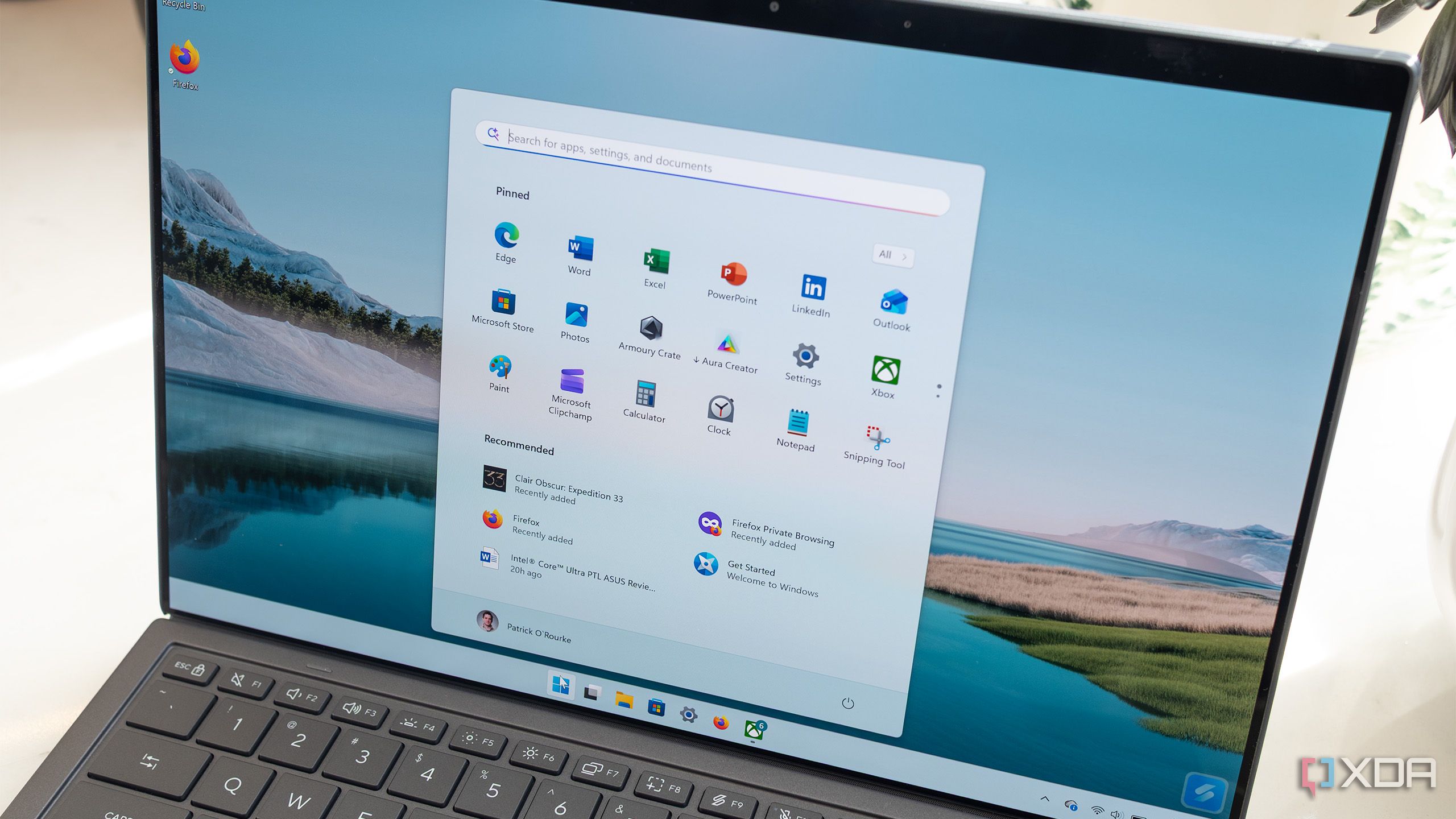
URGENT UPDATE: Microsoft has officially acknowledged that its flagship operating system, Windows 11, has strayed off course, prompting a wave of relief from frustrated users. This announcement comes after years of complaints about performance issues and an overwhelming push for aggressive AI integration, which many users found disruptive.
The tech giant’s candid admission highlights the growing disconnect between Microsoft’s vision and the actual needs of its everyday users. Windows 11 was released in October 2021, and since then, updates have frequently hampered system reliability, with some reports indicating that recent updates have rendered computers unbootable.
Many users, including early adopters, initially appreciated the updated user interface and features. However, as Microsoft doubled down on integrating AI tools like Copilot into applications such as Notepad and File Explorer, the backlash grew. Users have voiced concerns that these changes complicate rather than enhance their experience, moving away from the simplicity that defined Windows.
In a recent statement, Microsoft acknowledged the need for a recalibration in its approach, stating, “We hear you, and we are committed to restoring trust by prioritizing user experience.” This statement signals a potential shift in focus back to core functionalities that users value, such as performance and reliability.
The urgency of this situation cannot be overstated. With over 1 billion users on Windows 11, many are considering alternatives such as macOS and Linux as they seek more reliable operating systems. This trend poses a significant risk for Microsoft as users explore options that prioritize their needs over corporate ambitions.
As Microsoft prepares to adjust its strategy, users are left wondering what specific changes will be implemented. Possible outcomes include scaling back Copilot’s intrusive integrations and improving the vetting process for updates to ensure stability before they are rolled out.
The tech community is closely monitoring these developments. Users are advised to remain cautious with updates, as trust in Microsoft has been significantly eroded due to previous failures. For now, the focus will be on how Microsoft plans to rebuild that trust and enhance the user experience without compromising on essential performance.
In the coming weeks, keep an eye out for announcements detailing what users can expect from upcoming updates. Will Microsoft finally prioritize the needs of its users, or will it continue to push AI-driven features at the expense of reliability? Only time will tell, but one thing is clear: the pressure is on Microsoft to deliver meaningful change NOW.