
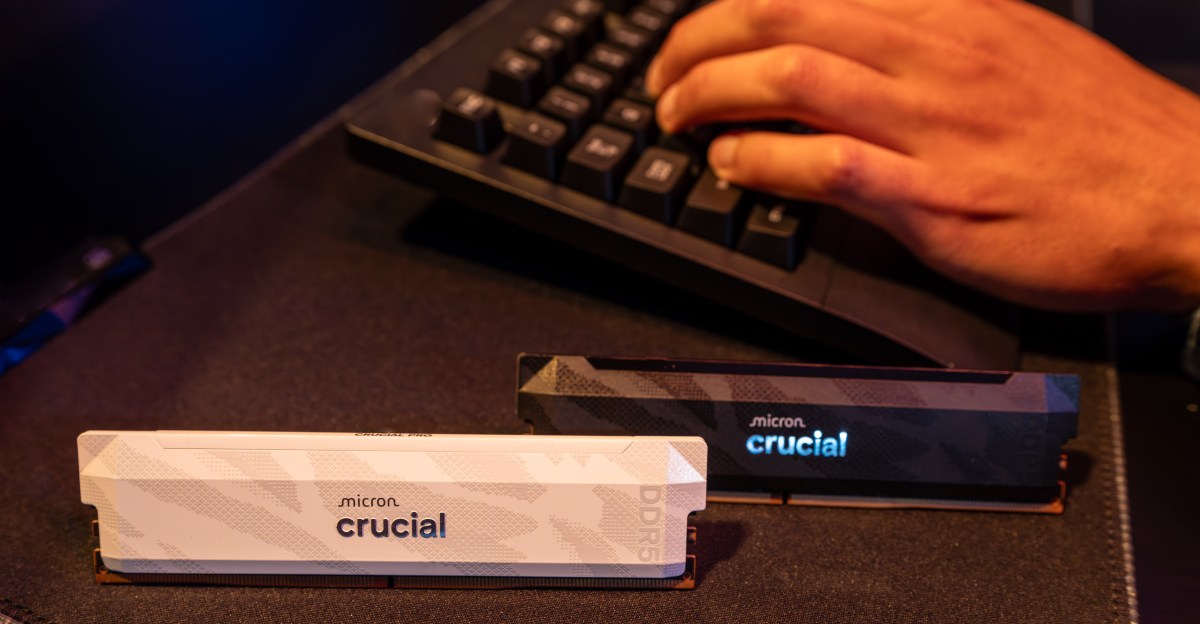
Micron Technology has announced the discontinuation of its budget-friendly Crucial brand, which includes popular solid-state drives (SSDs) and RAM kits. This strategic move aims to redirect resources towards the rapidly expanding artificial intelligence (AI) sector. The announcement was made on Wednesday, marking a significant shift in the company’s business focus.
The decision to retire the Crucial brand is intended to enhance supply and support for larger clients in faster-growing segments, particularly those involved in AI. According to Micron, the winding down of its consumer-focused operations will allow the company to prioritize the needs of these strategic customers. This transition is crucial as demand for RAM and SSDs has surged due to increasing investments in AI technologies.
PC builders and enthusiasts may feel the impact of this decision, especially as the market has already been grappling with rising RAM prices driven by heightened demand. Notably, OpenAI has partnered with SK Hynix and Samsung to produce up to 900,000 DRAM units per month for its Stargate project, further straining the availability of consumer-grade memory products.
As Crucial products are phased out, the potential for a more severe global memory shortage appears likely. This could exacerbate the challenges faced by companies like CyberPowerPC, Framework, and Raspberry Pi, all of which have reported increasing costs linked to memory components. In light of these developments, HP has suggested that it may need to either raise device prices or reduce memory allocations in its products.
Micron has committed to continue shipping Crucial products until the end of February 2026. The company also assures customers of ongoing warranty services and support for existing products, allowing users a period of transition as the brand exits the market.
The retirement of the Crucial brand underscores a broader trend within the tech industry, where companies are increasingly prioritizing investments in AI and related technologies. This shift not only reflects changing consumer demands but also highlights the competitive landscape as firms vie for dominance in the burgeoning AI market.