
Research conducted by scientists at Institut Pasteur and Inserm has revealed that common food emulsifiers consumed by pregnant mice can significantly alter the gut microbiome of their offspring. Published in Nature Communications on December 26, 2025, the study indicates that these changes occur during critical early life stages and can have lasting effects on health, increasing the risk of inflammatory bowel diseases and obesity in adulthood.
The investigation, led by Benoit Chassaing, Inserm Research Director and Head of the Microbiome-Host Interactions laboratory at Institut Pasteur, focuses on two widely used emulsifiers: carboxymethyl cellulose (E466) and polysorbate 80 (E433). These additives are commonly found in processed foods, including dairy products, baked goods, and powdered baby formulas, which raises concerns about their effects on developing children.
Scientists administered these emulsifiers to female mice starting ten weeks before mating and continued throughout pregnancy and breastfeeding. Remarkably, the offspring, who did not directly ingest these substances, exhibited significant alterations in their gut microbiota within the first weeks of life. This period is crucial, as mothers typically transfer part of their microbiota to their young.
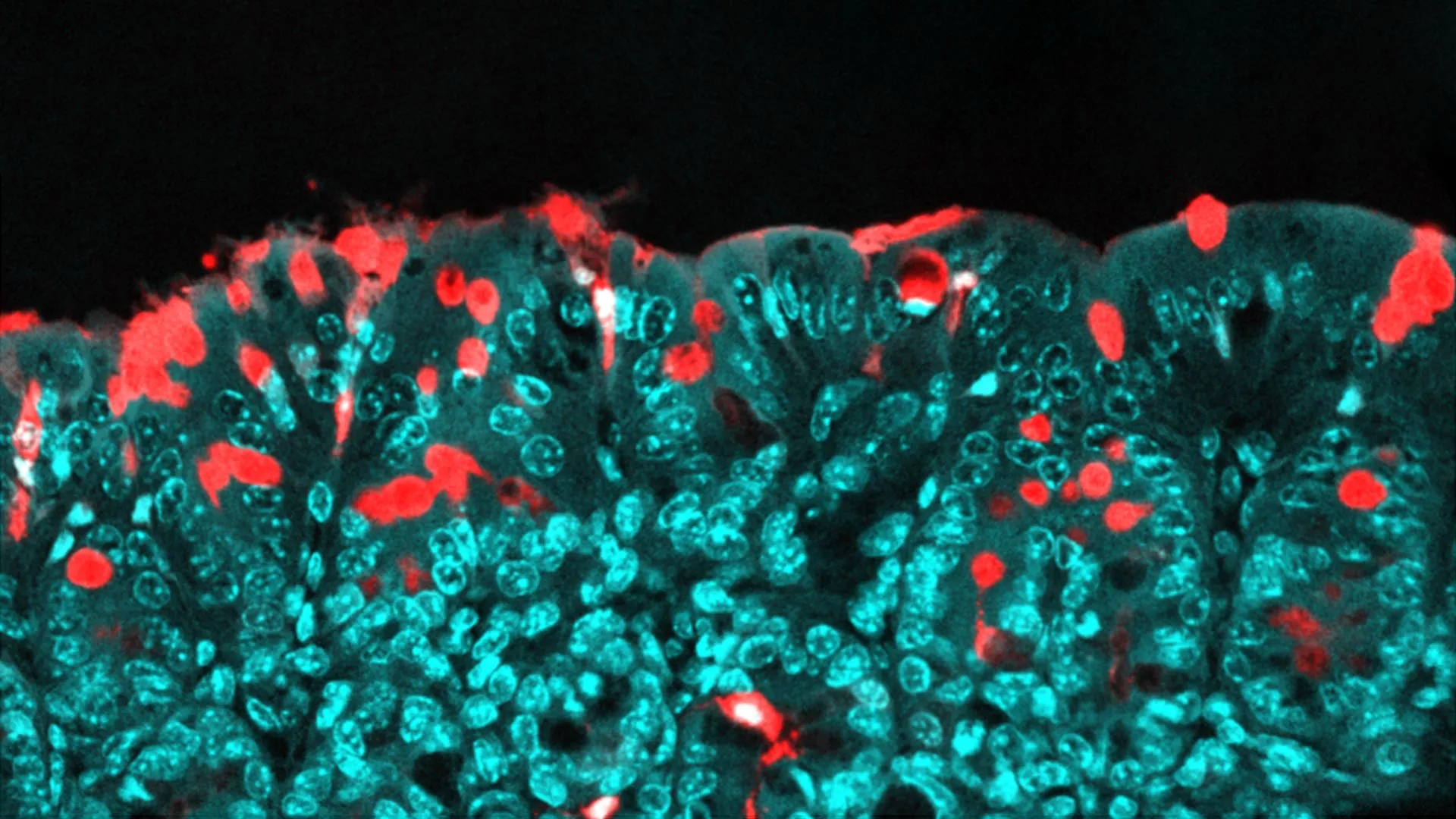
The findings showed that the altered gut microbiota included increased levels of bacteria known to activate the immune system, leading to inflammation. Notably, researchers found that bacterial “encroachment” caused gut pathways to close prematurely, disrupting communication between the gut microbiota and the immune system. This disruption set the stage for chronic inflammation and a heightened risk of inflammatory gut diseases and obesity as the offspring matured.
Chassaing emphasizes the importance of understanding how dietary habits can affect not only individual health but also the health of future generations. He stated, “These findings highlight how important it is to regulate the use of food additives, especially in powdered baby formulas, which often contain such additives and are consumed at a critical moment for microbiota establishment.”
The implications of this research extend beyond animal studies. There is an urgent need for human clinical trials to explore how maternal consumption of emulsifiers influences the transmission of microbiota to infants, particularly through baby formulas. Such investigations could illuminate the potential long-term health consequences of these additives, particularly during formative stages of life.
As the scientific community continues to uncover the complexities of the gut microbiome and its relationship with health, the role of food additives like emulsifiers cannot be overlooked. Further research into these substances may inform future regulations and dietary recommendations, particularly for expectant mothers and infants.
This study was supported by a Starting Grant and a Consolidator Grant from the European Research Council (ERC), underscoring its significance in the broader context of public health research. With the increasing prevalence of processed foods, understanding the potential hidden effects of the ingredients we consume remains a pressing concern for health professionals and policymakers alike.