
Four mice embarked on a significant journey to space, and one has returned to give birth, marking a noteworthy milestone for future human exploration beyond Earth. On October 31, 2023, China launched the four mice aboard the Shenzhou-21 spacecraft, sending them to the country’s space station, approximately 400 kilometers above the Earth. After spending two weeks in microgravity, the mice returned safely on November 14, 2023, with one female giving birth to nine healthy pups on December 10, 2023.
The mission sheds light on the potential effects of space travel on reproduction. Researchers from the Chinese Academy of Sciences revealed that the short-term exposure to space conditions did not impair the mouse’s reproductive capabilities. Wang Hongmei, a researcher at the Institute of Zoology, underscored the importance of this finding, noting that mice share a considerable genetic similarity with humans and respond to stressors in ways that often reflect human biology.
Understanding how space affects mammalian reproduction is crucial for future missions. If space travel disrupts fundamental reproductive functions, mice would likely exhibit these changes first. The implications are vital as scientists prepare for long-duration human missions to Mars or the establishment of permanent bases on the Moon.
The journey was not without its challenges. An unexpected change in the return schedule for Shenzhou-20 meant the mice faced an extended stay, raising concerns about food shortages. The ground team responded quickly, testing various emergency rations from the astronauts’ supplies, including compressed biscuits, corn, hazelnuts, and soy milk. After thorough verification, soy milk was deemed the safest option for the mice.
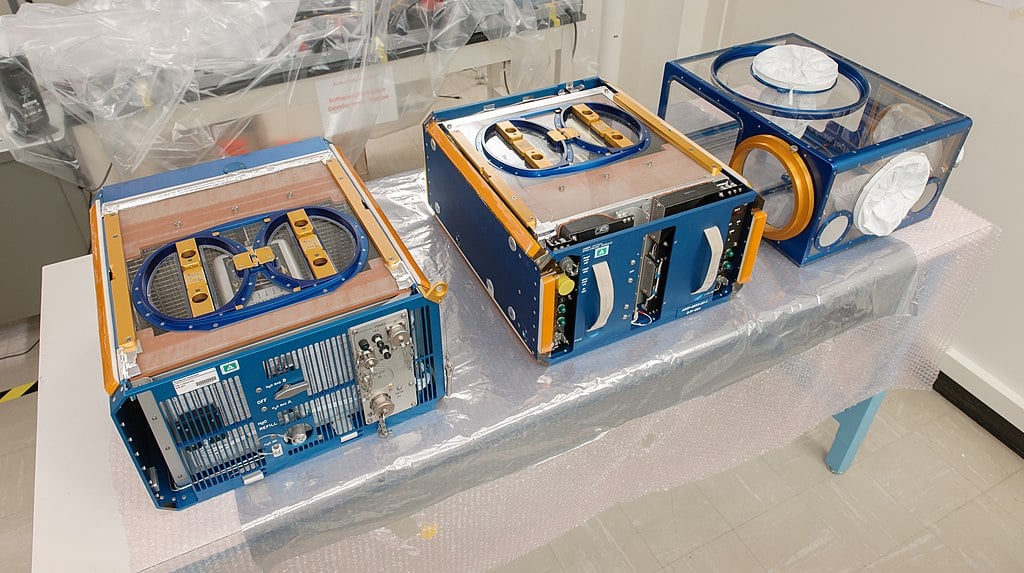
During their time in orbit, the mice lived under strictly managed conditions. Light cycles were regulated to mimic an Earth-based circadian rhythm, with lights switching on at 07:00 and off at 19:00. Their diet was nutritionally balanced yet intentionally hard, catering to their natural need to gnaw, while directional airflow systems kept the habitat clean by directing waste into collection containers.
Now, researchers will closely monitor these “space pups,” observing their growth and checking for any physiological changes that could indicate effects from their mother’s exposure to space. They will also investigate whether these offspring can reproduce normally, seeking to understand potential multigenerational impacts of space travel.
The ultimate aim extends beyond the realm of mice. Understanding whether mammals can conceive, gestate, and give birth in reduced gravity is essential for the future of human space exploration. Questions remain regarding the effects of cosmic radiation on reproductive cells. The birth of one mouse’s pups does not resolve all these inquiries, but it opens the door for further research into the biological implications of long-term spaceflight.
As scientists continue to explore these questions, the successful birth of these pups represents a promising initial step toward unraveling the complexities of reproduction in space, a critical element for humanity’s future beyond Earth.