
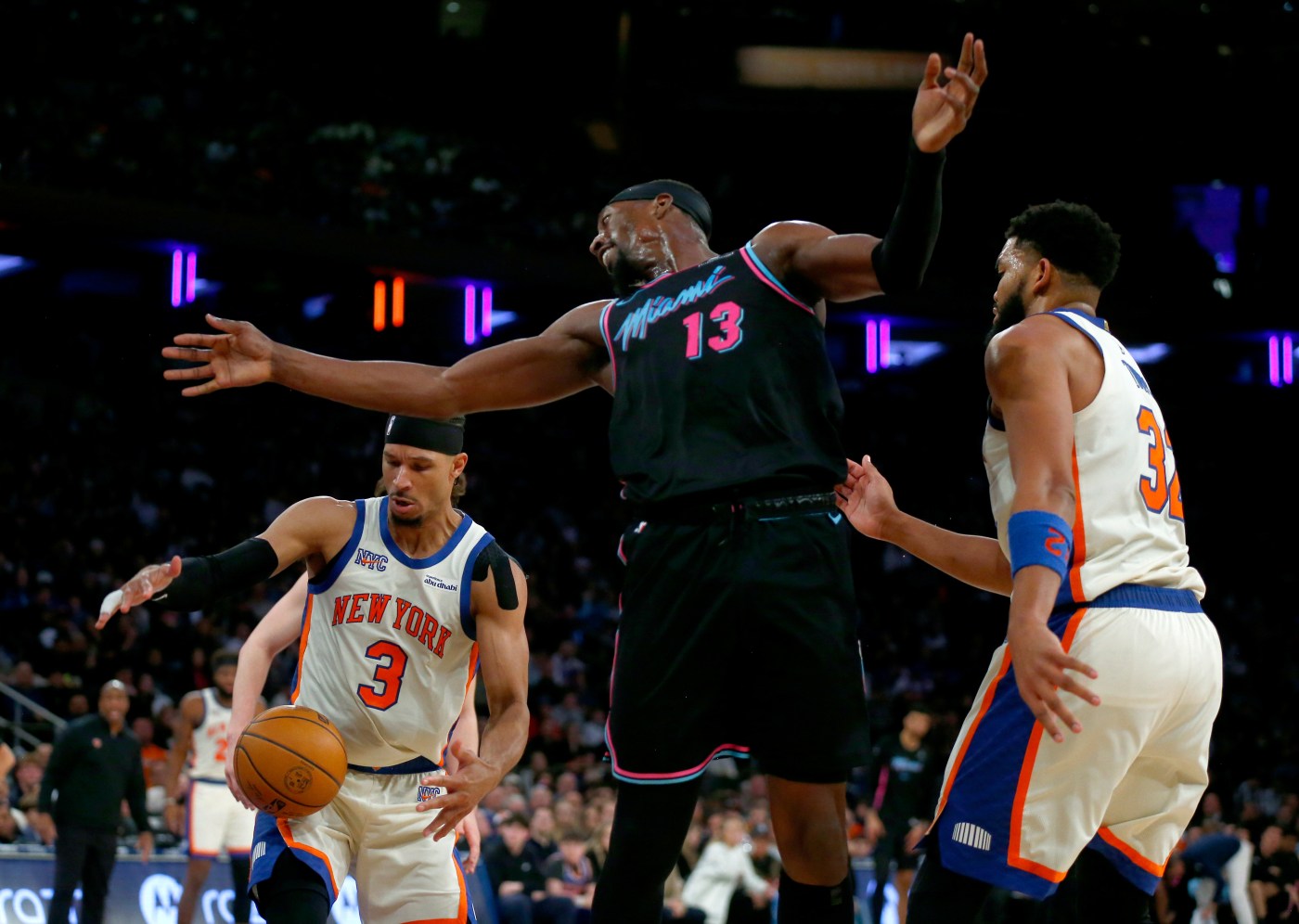
The Miami Heat are at a crossroads, prompting discussions about the future direction of the franchise. With established players like Bam Adebayo and Tyler Herro representing the older generation, attention is shifting to younger talents such as Kel’el Ware, Kasparas Jakucionis, and Jaime Jaquez Jr.. Fans and analysts alike are questioning whether the team should focus on developing these new players or continue relying on their current core.
The Heat’s recent performance raises concerns about their competitiveness. Some observers suggest it is time to move on from veteran players like Andrew Wiggins and Norman Powell, both of whom have faced challenges in maintaining a consistent impact on the court. Powell, in particular, has been let go by three teams, raising questions about his fit within the Miami roster. The sentiment is clear: the current iteration of the Heat may not have the capacity to achieve significant success, and a fresh approach is needed.
Shifting Focus to Young Talent
Notably, Miami’s head coach Erik Spoelstra seems to recognize the need for evolution within the team. His decision to start Kel’el Ware and allocate minutes to Kasparas Jakucionis indicates a commitment to integrating young players into the core lineup. This shift may signal a gradual transition away from reliance on aging stars and a move toward cultivating a new generation of talent.
Speculation about the potential for trades adds another layer to the conversation. With the February trade deadline approaching, the Heat may consider moving on from veterans if valuable assets, particularly draft picks, are available. While drastic changes are not typical for a franchise known for its stability, the reality is that a more future-oriented strategy may be necessary for long-term success.
Another point of discussion involves Jaime Jaquez Jr., whose aggressive playstyle has drawn mixed reviews. Critics argue that his tendency to prioritize personal scoring can disrupt team momentum. Yet, others believe that as a sixth man, his role is to inject energy and change the pace of the game. His recent contributions have been essential in maintaining competitive play, especially in challenging matchups.
Strategic Adjustments Needed
In terms of gameplay, there are calls for Bam Adebayo to focus more on scoring closer to the basket rather than attempting three-pointers. Currently, Adebayo’s shooting percentage from beyond the arc stands at just 32%, with only one successful shot over the last six games. Critics argue that the team’s offensive scheme, which often positions Adebayo at the three-point line, may not be maximizing his potential.
As the Heat consider their next steps, it is evident that the balance between honoring their past and embracing the future will be crucial. The franchise has built a reputation for adaptability and resilience, but the current roster dynamics may necessitate a reevaluation of strategies. The upcoming months will be pivotal in determining how effectively the Heat can navigate this transition and position themselves for sustained success in the highly competitive landscape of professional basketball.
The question remains: will the Miami Heat seize the opportunity to redefine their identity, or will they continue to cling to the familiar? The answer may lie in how effectively they can integrate their emerging talents while still capitalizing on the experience of their veteran players.