
Mexico has officially suspended its oil shipments to Cuba, a significant move influenced by recent threats from the United States to impose tariffs on nations supplying the island. This decision highlights the ongoing pressure from the US government as it seeks to limit foreign support for Cuba amidst its economic difficulties.
The suspension of oil exports to Cuba comes in the wake of heightened tensions between the US and its neighboring countries. According to a statement from the Mexican government, the decision reflects a commitment to align with international trade regulations and respond to pressures from the United States. The cessation of shipments could have serious ramifications for Cuba, which relies heavily on foreign oil supplies to sustain its economy.
Broader Implications for US-Cuba Relations
The interruption of oil shipments is part of a larger narrative surrounding US-Cuba relations. The Biden administration has signaled a willingness to take a firmer stance on countries that continue to support the Cuban government. This includes potential tariffs that could impact not only Mexico but other nations as well.
In Washington, DC, discussions regarding this issue are ongoing, with lawmakers expressing concerns over Cuba’s alliances and the broader geopolitical implications. House Committee on Oversight and Government Reform Chairman Rep. James Comer commented on the situation, emphasizing the need for accountability among nations trading with Cuba.
The political landscape surrounding Cuba has become increasingly complex. The US has long imposed restrictions on trade with the island, and the recent suspension of oil from Mexico underscores the challenges Cuba faces in securing necessary resources.
International Reactions and Other Developments
Global reactions to Mexico’s decision have varied. Some view it as a necessary step to uphold international norms, while others criticize the US for exerting pressure on neighboring countries. The international community continues to monitor the situation closely, as the consequences could extend beyond oil to other essential goods.
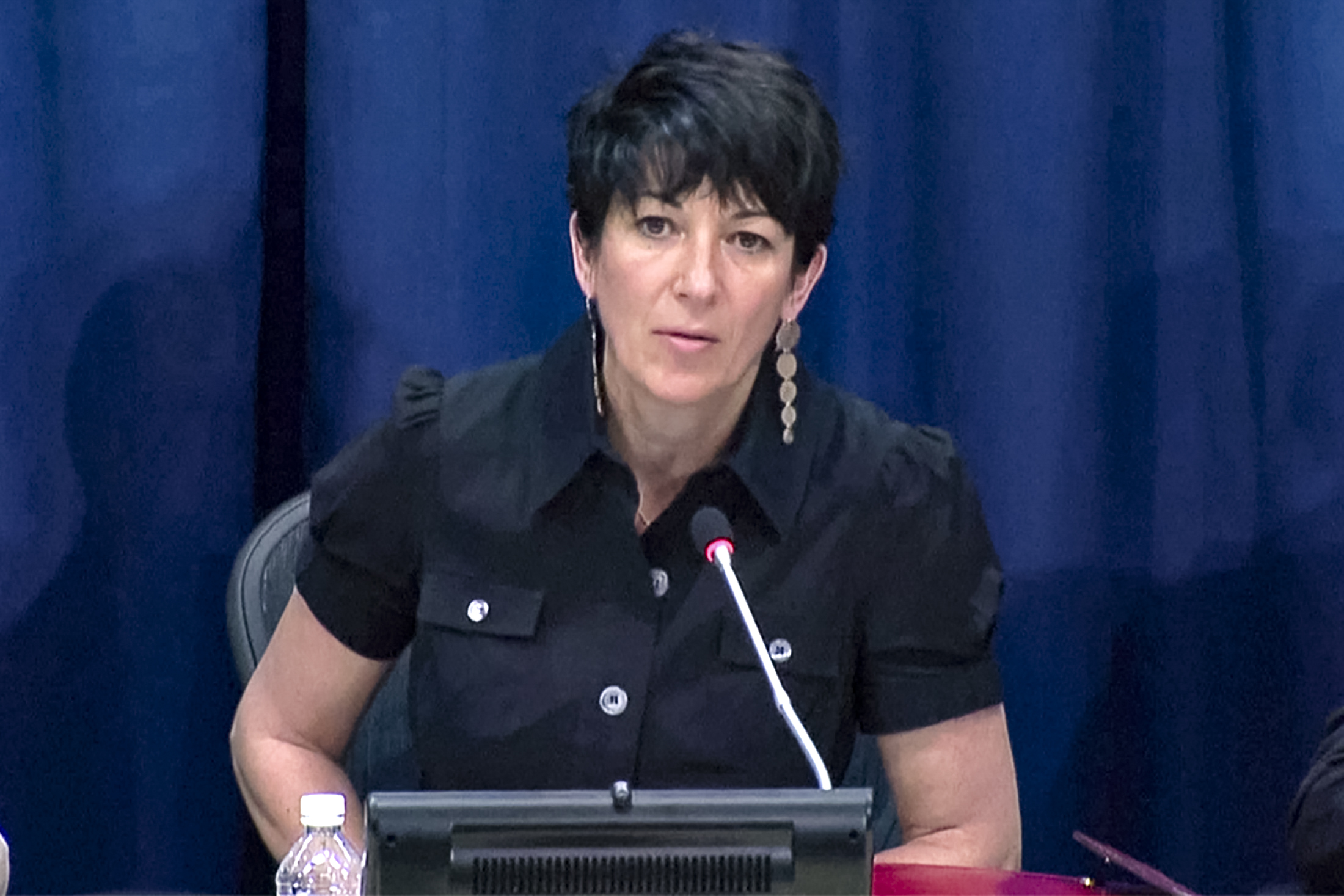
In a separate yet notable event, Ghislaine Maxwell, the convicted associate of Jeffrey Epstein, recently invoked the Fifth Amendment during a video call with lawmakers. Maxwell’s attorney has reportedly sought clemency from former President Donald Trump, linking her case to broader discussions about accountability and justice within the political system.
Meanwhile, in Hong Kong, media tycoon Jimmy Lai received a 20-year prison sentence after being convicted of sedition and conspiracy to collude with foreign forces. Lai’s sentencing has drawn international condemnation and raised concerns about freedom of the press in the region.
As these stories develop, the global landscape remains dynamic, with interconnected issues that could reshape international relations and trade agreements. The suspension of oil shipments from Mexico to Cuba serves as a pivotal moment in this ongoing saga, reflecting the complexities of diplomacy and economic dependence in the 21st century.