
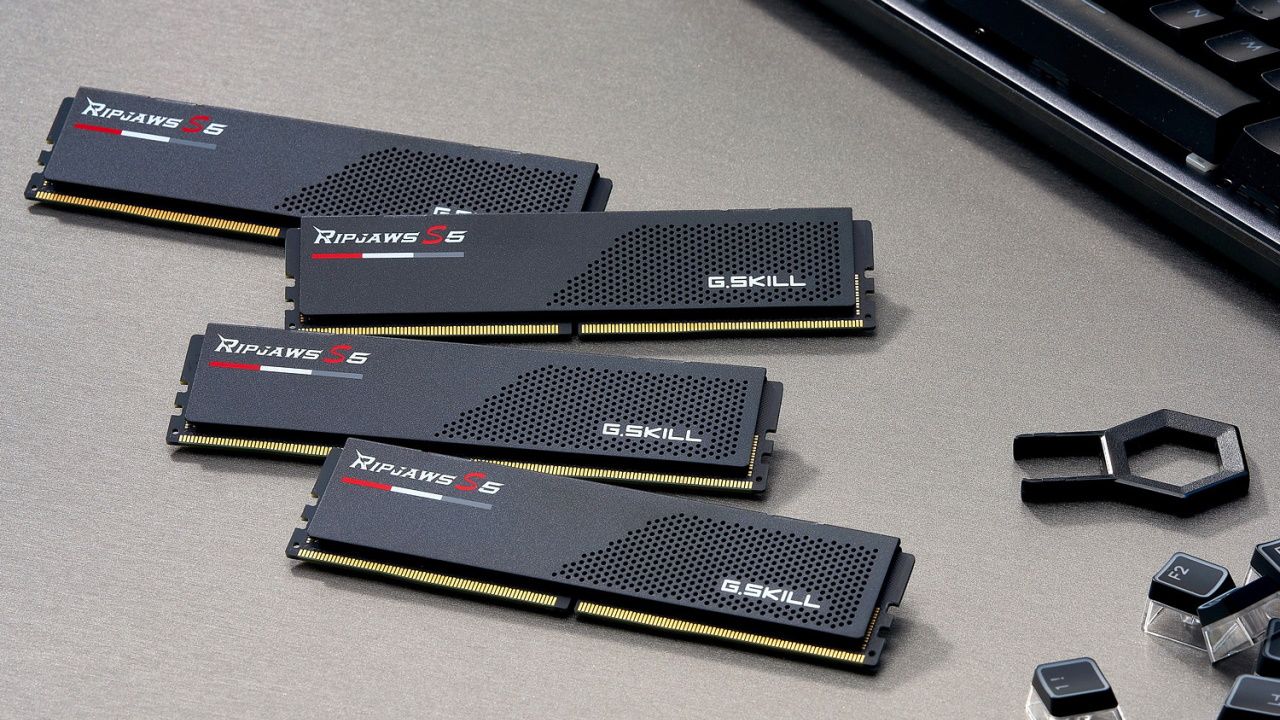
URGENT UPDATE: The memory supply crisis is escalating, with new reports confirming that Samsung and SK Hynix are taking drastic measures to avoid oversupply, potentially prolonging high DRAM prices through 2028 and beyond. This troubling announcement has sent shockwaves through the tech industry, indicating that consumers may face soaring prices for memory products in the near future.
In a recent investor relations call, a representative from Samsung revealed, “Rather than rapidly expanding facilities, we will pursue a strategy of maintaining long-term profitability.” This cautious approach is aimed at minimizing the risk of oversupply amid surging demand for memory chips, driven largely by the rapid growth of AI technologies.
Current reports indicate that Samsung can only fulfill 70% of existing DRAM orders. Meanwhile, SK Hynix, despite planning a significant investment in production, admitted that meeting growing demand will be a challenge. The CEO of Silicon Motion warned, “We’re facing what has never happened before: HDD, DRAM, HBM, NAND… all in severe shortage in 2026.”
As memory prices continue to rise—predicted to increase by up to 30%—the companies are hesitant to engage in long-term contracts. “Customers want long-term contracts of several years, but Samsung Electronics does not want to tie up volumes with a specific customer in a situation where prices are rising rapidly,” the representative stated.
Despite plans to invest approximately 30% of their sales into facility expansion by 2026, SK Hynix cautioned that resolving the supply shortage will be difficult. Trendforce forecasts that memory supply will grow by 23% in 2026, while demand is set to soar by 35%. This widening gap signals a persistent supply crisis.
Meanwhile, U.S.-based Micron plans to invest nearly $10 billion in a new DRAM facility in Japan, but this facility will not start producing chips until the second half of 2028. As a result, Tech Insight concludes that the memory supply crisis is likely to continue well beyond 2028.
This ongoing crisis is not just a technical issue; it has real implications for consumers and businesses alike. The skyrocketing prices of memory products could hinder the growth of sectors reliant on these technologies, particularly in AI and gaming.
As Samsung and SK Hynix navigate this precarious landscape, they are balancing the need for increased production against the risk of being left with excess inventory if the AI boom falters. The companies are taking a “wait and see” approach, which means consumers can expect high prices for the foreseeable future.
The latest developments underscore a broader trend of rising hardware costs as demand outstrips supply. Unless there is a significant shift in the market, the only way memory prices may normalize is through a potential downturn in the tech sector.
Stay tuned for further updates as this situation evolves, and ensure you are prepared for potential increases in memory product prices in the coming months.