
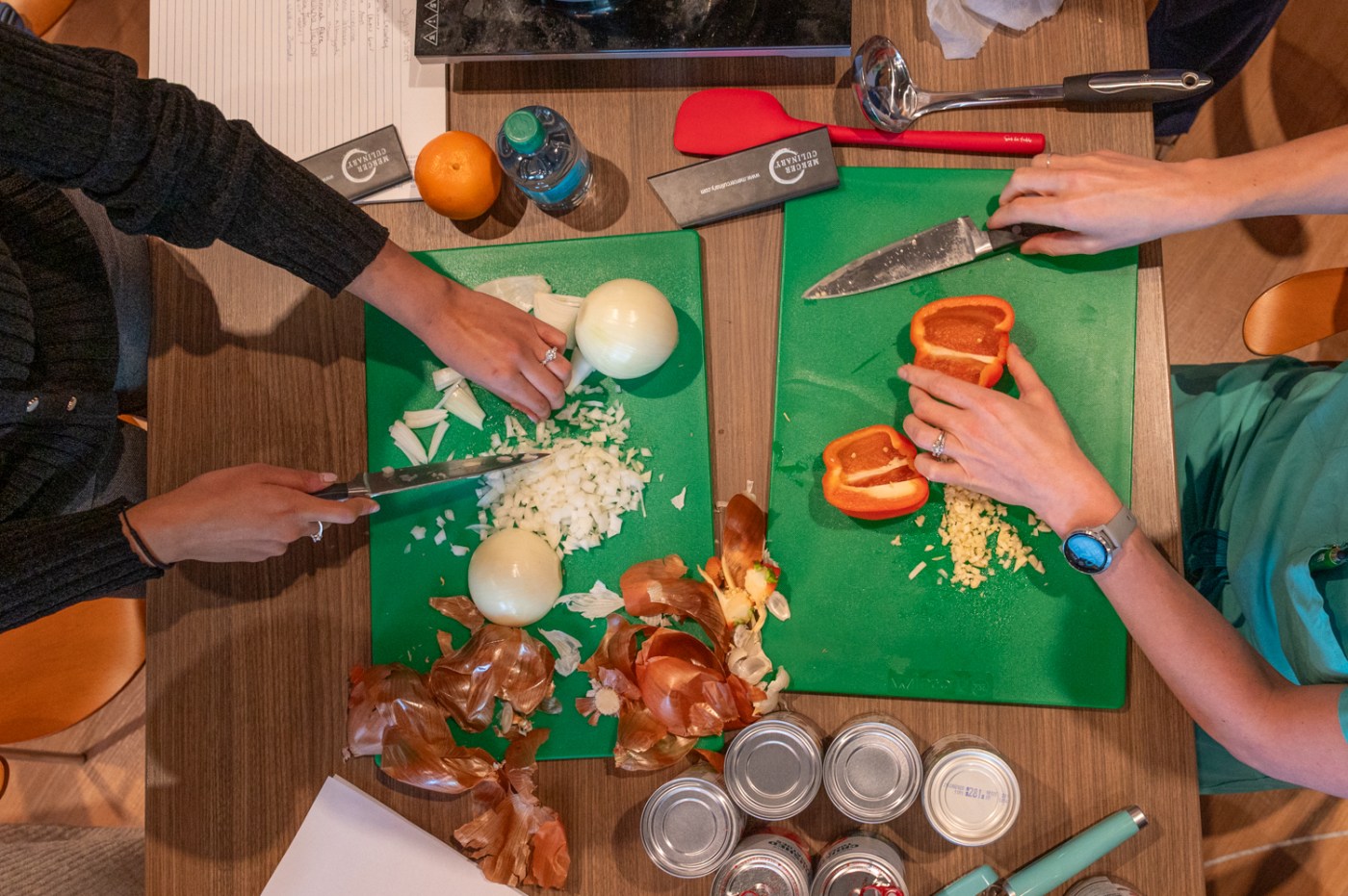
More than 25 medical residents from MedStar Health transformed into chefs for a day on December 3, 2023, at the MIND Lab in Columbia. This unique event was part of the institution’s new Lifestyle Medicine Graduate Medical Education program, which emphasizes the significance of nutrition—an often-overlooked aspect in traditional medical training.
The residents participated in a cooking session where they learned to prepare healthy, low-sodium, plant-based meals. Mark Smith, innovator-in-residence at the MedStar Institute for Innovation, led discussions on the broader implications of lifestyle choices on health. “There’s luck components, there’s genetic components, but we can do so much to live the most healthful lives that we possibly can, and that’s what this is about,” he stated.
Focus on Holistic Health
The curriculum is guided by the American College of Lifestyle Medicine, which outlines six pillars essential for promoting well-being: nutrition, physical activity, restorative sleep, stress management, positive social connection, and avoidance of risky substances. After completing both online instruction and hands-on experiential activities, participants can qualify for board certification in lifestyle medicine.
Smith pointed out that while medication and technology play vital roles in treating critical illnesses, healthy lifestyle choices can significantly manage or even reverse chronic conditions such as diabetes, hypertension, and heart disease. He emphasized that about 60% of an individual’s health is influenced by these six pillars of lifestyle medicine.
Theresa Stone, an internal medicine specialist and medical director of the Lifestyle Medicine program, highlighted the limited time devoted to nutrition in medical school. “It makes the patient and the doctor like a team,” she explained. Stone advocates for empowering patients to take an active role in their health by equipping physicians with culinary skills to discuss nutrition effectively.
Culinary Skills for Better Patient Interaction
The cooking class featured dishes like black bean chili, massaged kale salad, power energy bites, and socca, a pancake-like flatbread made from chickpea flour. The emphasis was on making nutritious food enjoyable. Stone noted her own experience in a cooking class for physicians, which inspired her to develop culinary medicine programs for both patients and medical residents.
Reddhyia Taylor, a family medicine resident in Baltimore, expressed her enthusiasm for the program, stating it provides essential skills to communicate with patients from diverse socioeconomic backgrounds. “We’re meeting in between. We’re using exercise, we’re using different modalities to help get the patient what they want,” she said.
The program not only fosters culinary skills but also aims to enhance residents’ confidence in discussing nutrition and lifestyle choices with patients. Mona Amin, a resident specializing in physical medicine and rehabilitation, noted the importance of credible information in a landscape where wellness trends are pervasive on social media. She mentioned that one of her peers even printed lifestyle medicine handouts to facilitate patient counseling.
As this innovative program continues to develop, it reflects a growing recognition within the medical community of the role that lifestyle choices play in health management. By blending culinary skills with medical education, MedStar Health is setting a precedent for a more holistic approach to patient care.