
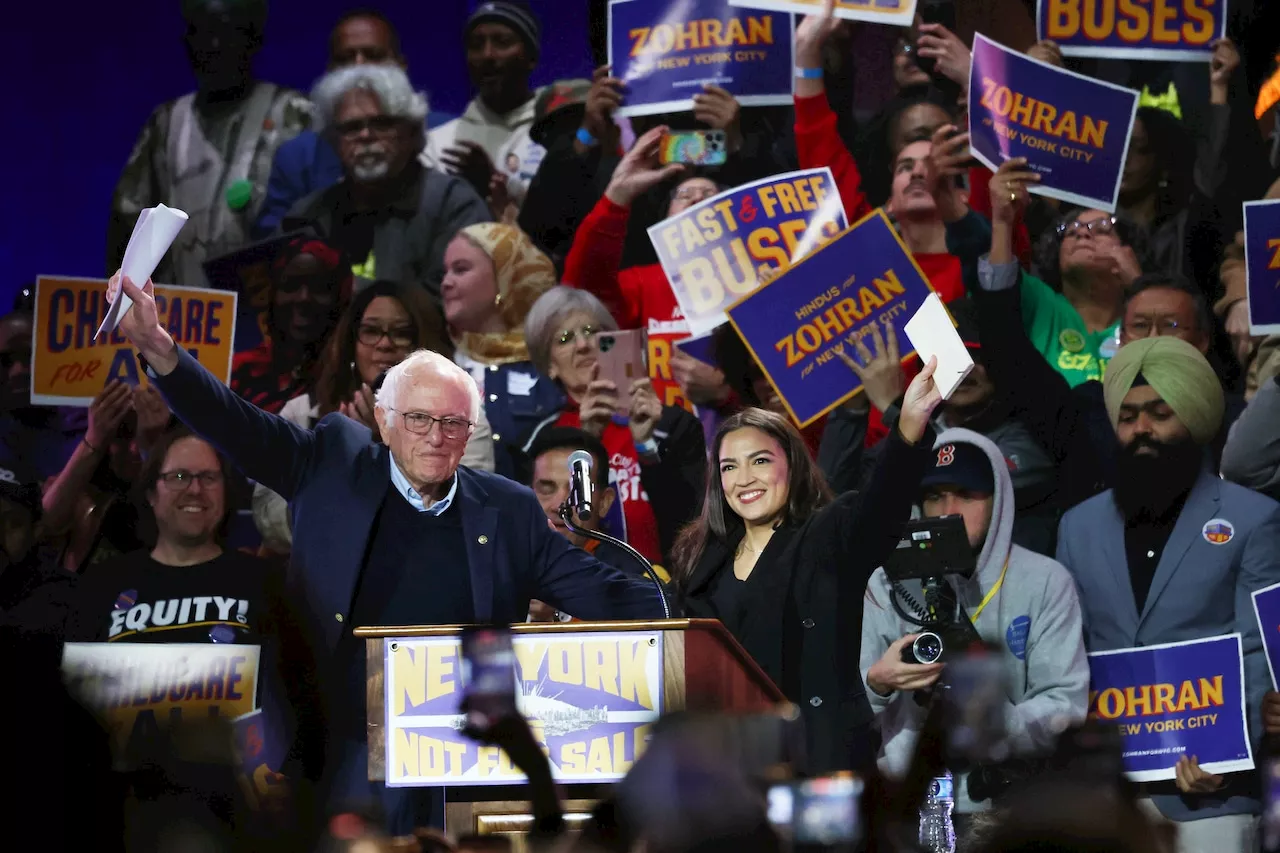
Concerns are rising regarding the media’s labeling practices, particularly in how it describes politicians advocating for progressive policies. Critics argue that mainstream outlets often use softer terminology when discussing individuals whose agendas closely resemble those of collectivist regimes, such as those in China and Russia. This debate is gaining traction as the political landscape shifts and the definitions of terms like “progressive” and “communist” become increasingly blurred.
The discussion was reignited following a report published in January 2024 that highlighted instances where political figures advocating for social welfare and government intervention in the economy were described as “progressive.” This terminology, according to some commentators, minimizes the implications of policies that could lead to more authoritarian governance. The contention arises from the belief that terms used in media narratives shape public perception and influence political discourse.
Understanding the Terminology Shift
The term “progressive” traditionally refers to policies aimed at social reform, often associated with enhancing social justice and reducing inequality. In contrast, “communism” signifies a political ideology advocating for collective ownership and the abolition of private property. As political polarization intensifies, the media’s choice of language can have significant implications for how policies are perceived by the public.
According to a study by the Media Research Center, over the past five years, there has been a noticeable trend in how political figures are described in relation to their policies. For instance, in 2023, approximately 65% of articles referencing left-leaning politicians used the term “progressive,” while only 25% employed terms like “socialist” or “communist.” This discrepancy raises questions about the media’s role in framing political narratives.
Critics, including political analysts and opinion leaders, argue that such practices dilute the severity of the implications behind certain policies. They contend that by labeling politicians as “progressive,” the media fails to adequately convey the potential risks associated with adopting policies reminiscent of those implemented in authoritarian regimes.
The Consequences of Mislabeling
The impact of mislabeling extends beyond mere semantics; it influences public opinion and voter behavior. A survey conducted by the Pew Research Center in December 2023 found that 52% of respondents felt confused by the terms used to describe political ideologies. This confusion can lead to disengagement from the political process, as citizens struggle to understand the implications of different policy proposals.
Furthermore, the media’s tendency to soften labels can also embolden politicians who may advocate for policies that lean towards authoritarianism. Political commentators have noted that when media outlets downplay the implications of certain ideologies, it creates an environment where more extreme views can gain traction without sufficient scrutiny.
The debate over terminology is not new; it reflects broader societal tensions regarding governance and individual freedoms. As political discourse evolves, the media’s responsibility to provide clear and accurate representations of political ideologies becomes increasingly critical.
In light of these discussions, it is essential for media organizations to critically evaluate their language and its potential consequences. As the line between progressive policies and more extreme ideologies continues to blur, ensuring accurate representation will be crucial in fostering informed public discourse.
As the political landscape continues to evolve, the media’s role in accurately framing discussions around policy and ideology remains vital. The challenge lies in balancing the need for engaging narratives with the responsibility to provide clarity and context to complex political issues.