
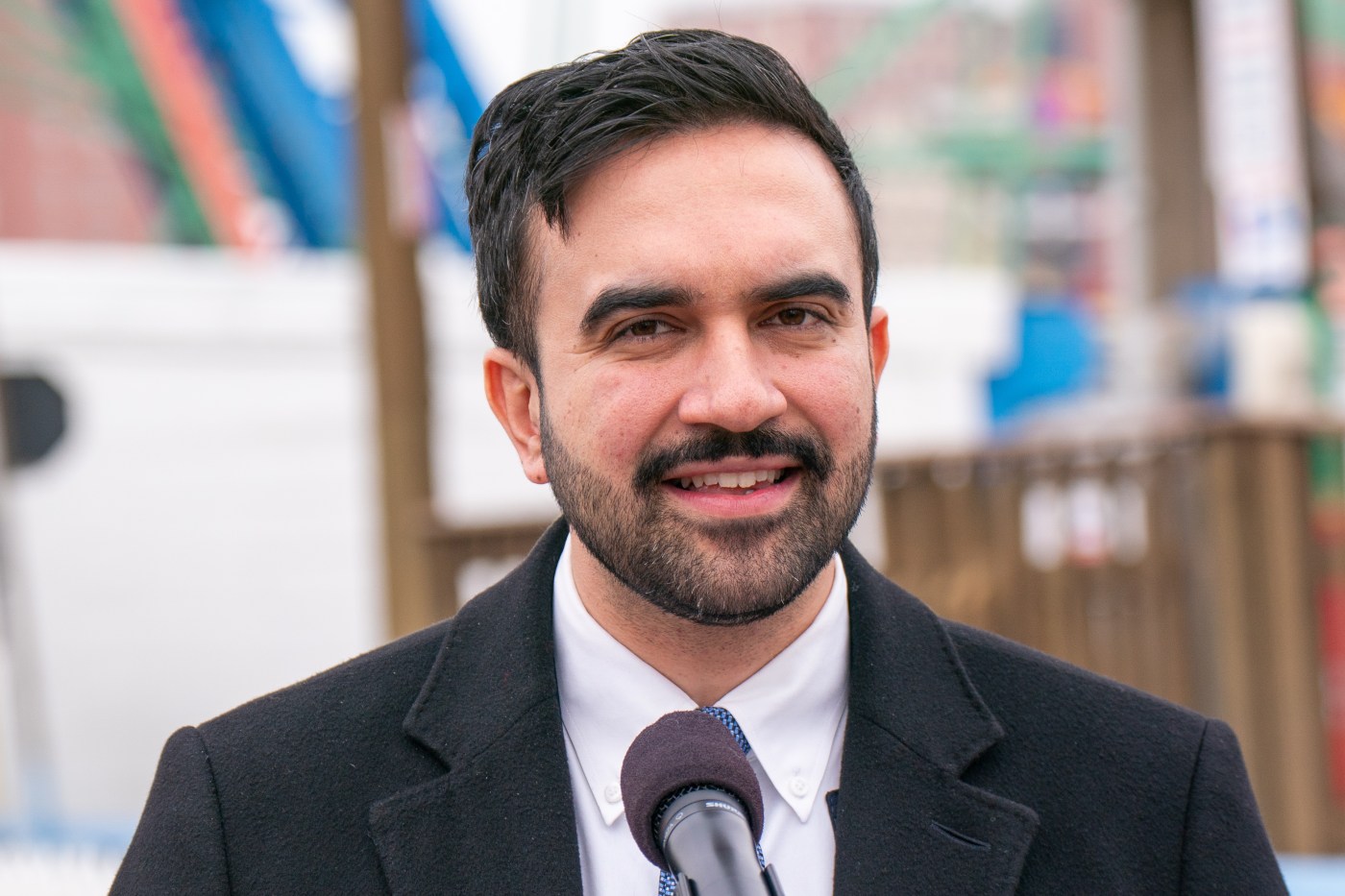
New York City Mayor Adil Mamdani has appointed Sideya Sherman as the new head of the City Planning Commission, reinforcing his commitment to addressing the housing and affordability crisis in the city. This initiative comes as part of Mamdani’s key promise to increase housing availability, which he identifies as the foremost issue facing residents.
Sherman’s appointment is a critical step towards ensuring that New York remains a diverse and livable city. She has emphasized her role in fostering a community where residents can thrive, stating that her mission includes making housing accessible to all. The urgency of this issue cannot be overstated, as the lack of affordable housing has reached an existential level for many New Yorkers.
The challenge of housing access is not confined to specific boroughs or neighborhoods; it affects the entire city. Consequently, it is essential for the Mamdani administration to adopt a collaborative approach. Local communities often express resistance to new housing developments, a sentiment that local councilmembers must navigate while representing their constituents’ concerns.
While community input is vital, the administration must not shy away from implementing necessary measures to alleviate the housing crisis. Previous administrations, including that of former Mayor Eric Adams, made strides in this area, notably through the passage of the City of Yes legislation, which aimed to facilitate larger development projects. The new mayor has already taken steps to build on this foundation by initiating an expedited land use process for a project in Morris Park, utilizing powers granted by voters via a recent ballot initiative.
Mamdani’s approach to the housing crisis has garnered considerable political goodwill, as evidenced by the strong support for the pro-housing ballot measures during the November 8, 2023 election. This referendum provided both a mandate and additional authority for the mayor to act decisively in addressing housing shortages. Voters have expressed a clear desire for action, and Mamdani appears poised to respond.
The primary goal remains to reduce housing costs, but the new mayor seems to understand that achieving this objective requires a multifaceted strategy. Research indicates that building various types of housing—ranging from affordable units to luxury apartments—can help stabilize prices across the board. By increasing the overall housing supply, the city can mitigate competition among different income brackets for limited low- and middle-income housing.
While some residents may find the construction of luxury homes objectionable, it is crucial to recognize that these developments can alleviate pressure on the market. Wealthier individuals opting for higher-end residences may reduce competition for more affordable units, ultimately benefiting lower-income residents.
In summary, the only viable path out of this housing crisis involves a commitment to building all types of housing throughout the city. This approach should prioritize areas already experiencing density while also extending development efforts to less populated neighborhoods. By focusing on creating housing near public transit and ensuring diverse housing options, the Mamdani administration can work towards a more equitable and accessible New York City for everyone.