
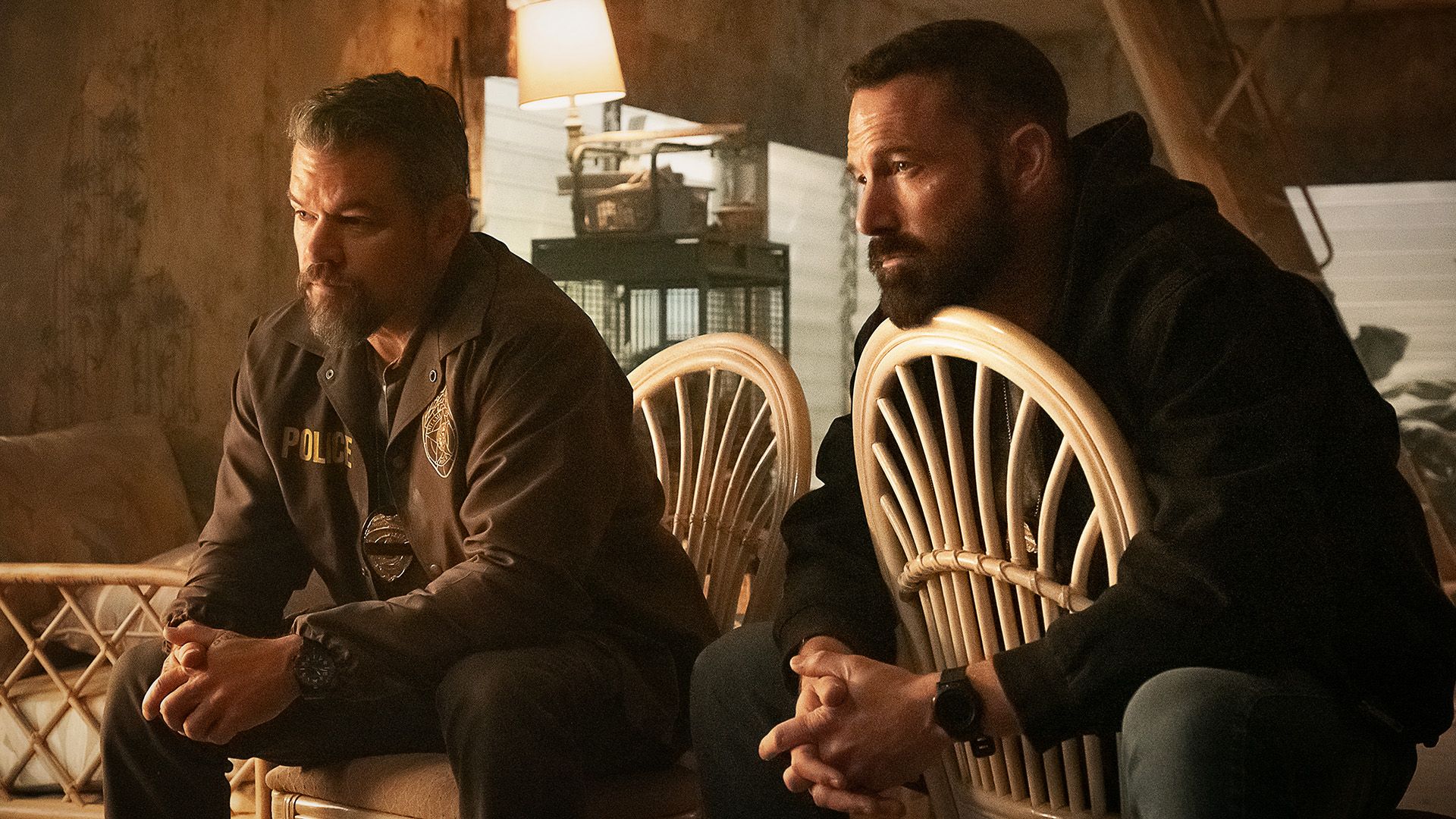
During a recent appearance on the Joe Rogan Experience, actors Matt Damon and Ben Affleck shared insights about the evolving landscape of filmmaking, particularly in relation to their latest collaboration, the Netflix crime thriller The Rip. The Oscar-winning duo highlighted how the streaming service’s approach to storytelling diverges from traditional methods they are accustomed to in the film industry.
Reimagining Action Movie Conventions
Damon explained that the conventional structure for action films typically involves three major set pieces, strategically placed throughout the narrative. “You spend most of your money on that one in the third act. That’s your finale,” he stated. However, he noted that Netflix prefers an alternative structure to engage audiences who may be distracted while watching on their phones. “They’re like, ‘Can we get a big one in the first five minutes? We want people to stay,’” Damon remarked. He also pointed out that recurring plot elements in dialogue are encouraged to help viewers follow along, as they might not be fully focused on the screen.
This shift in focus has sparked discussions regarding the impact on storytelling quality. Affleck echoed these sentiments, referencing Netflix’s recent release, Adolescence, which eschewed these conventional guidelines. “It didn’t do any of that,” he argued, “and it’s great. It’s dark, tragic, and intense.” He praised the film for its unconventional storytelling, highlighting its ability to captivate viewers without relying on the typical hooks.
Streaming Trends and Audience Engagement
The conversation between Damon and Affleck underscores a significant trend in the entertainment industry. As streaming platforms like Netflix continue to dominate viewership, filmmakers are increasingly adapting their approaches to accommodate changing audience behaviors. The need to capture viewer attention quickly reflects broader shifts in how content is consumed in the digital age.
Despite the challenges posed by these changes, both actors remain committed to producing quality narratives. The Rip and Adolescence are now available for streaming on Netflix, showcasing the diverse storytelling possibilities the platform offers. As audiences navigate this new landscape, it will be interesting to observe how filmmakers balance traditional storytelling techniques with evolving viewer expectations.
As the entertainment landscape continues to evolve, the insights from Damon and Affleck serve as a reminder of the ongoing dialogue about the future of film. Their experiences illustrate the delicate balance between innovation and maintaining the essence of storytelling that resonates with audiences worldwide.