
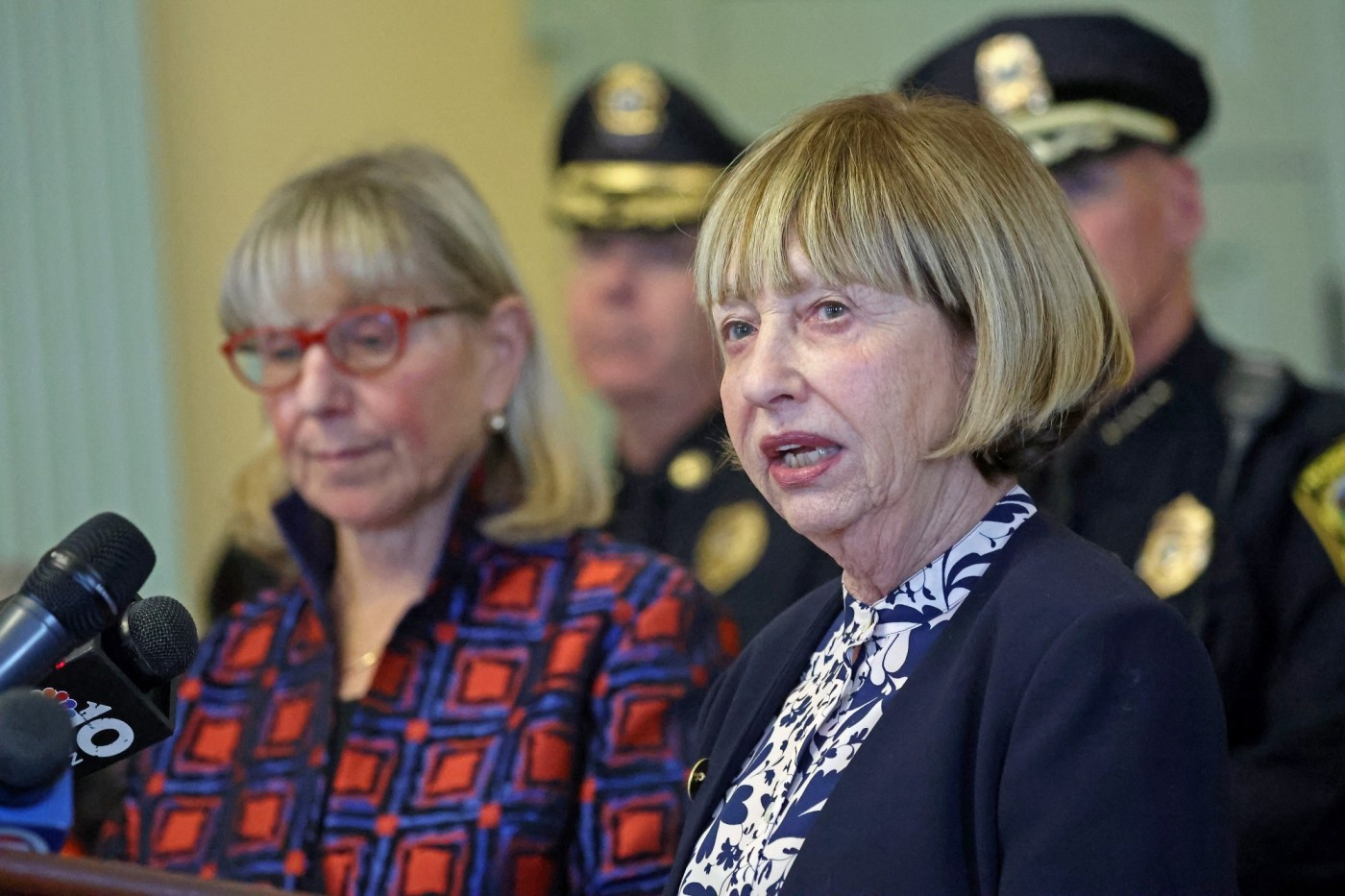
State Senator Cynthia Stone Creem has introduced legislation aimed at reducing personal vehicle miles traveled in Massachusetts as part of the state’s climate strategy. The bill, titled “An Act Aligning the Commonwealth’s Transportation Plan with its Mandates and Goals for Reducing Emissions and Vehicle Miles Traveled,” has sparked a debate over its implications for individual driving habits. Critics argue that the bill represents government overreach into personal mobility, while supporters highlight its potential to enhance public transportation options.
In a statement to the Boston Herald, Stone Creem emphasized that the purpose of the bill is to ensure investments in diverse transportation modes, including roads, highways, and cleaner alternatives like trains and buses. “It does not in any way limit people’s choices about how to get around. It does not impose fines, penalties, or taxes on drivers. In fact, it gives people more choices,” the senator stated.
Yet, the bill’s provisions indicate a contrary intent. According to the legislation’s summary, MassDOT would be mandated to establish goals for reducing the total miles that residents can collectively drive in their personal vehicles. Furthermore, the bill would require MassDOT to evaluate regional transportation plans based on their alignment with the state’s vehicle miles traveled reduction targets.
At a hearing in May, proponents of the legislation, including Kevin Shannon from the Union of Concerned Scientists, praised its ambition to tackle the largest source of emissions in the state. Shannon noted that the bill addresses a significant gap between Massachusetts’ climate objectives and its transportation policies. This approach marks a shift from previous efforts, which struggled to incorporate comprehensive strategies for reducing car usage.
The conversation around transportation funding has evolved since December 2019, when some lawmakers considered increasing the state’s gasoline tax to generate revenue. State Representative Thomas Stanley cautioned that such an increase would not fulfill long-term transit needs due to improved vehicle fuel efficiency leading to lower gasoline consumption. Instead, he proposed a pilot program to explore fees based on vehicle miles traveled (VMT) as a more sustainable funding mechanism.
Despite these discussions, concerns about equity have arisen. Michael Barrett, a fellow senator and co-chair of the committee, expressed worries that the bill could disproportionately affect rural residents who may face longer commutes. “I do worry about an unintended and subtle bias against rural Massachusetts,” Barrett remarked, highlighting the need for consideration of different regional transportation needs.
Stone Creem acknowledged these concerns in her statement, asserting that the bill allows for “regional flexibility.” However, the legislation does not seem to account for shifts in work patterns resulting from the COVID-19 pandemic. Research from TD Economics indicated that Boston’s commercial vacancy rate reached 15.1% in the third quarter of 2025, reflecting a significant increase from pre-pandemic levels. Additionally, a survey by the Greater Boston Chamber of Commerce found that over 85% of businesses have adopted hybrid work models, resulting in fewer daily commuters.
The ongoing decline in vehicle miles traveled is not solely a product of government policy but also a consequence of changing work dynamics due to the pandemic. The lack of sufficient mass transit options in various regions, particularly in western Massachusetts, further complicates the situation. As the state considers legislation to reduce vehicle miles traveled, it will be crucial to account for these significant changes in commuting behavior and the existing transportation infrastructure.