
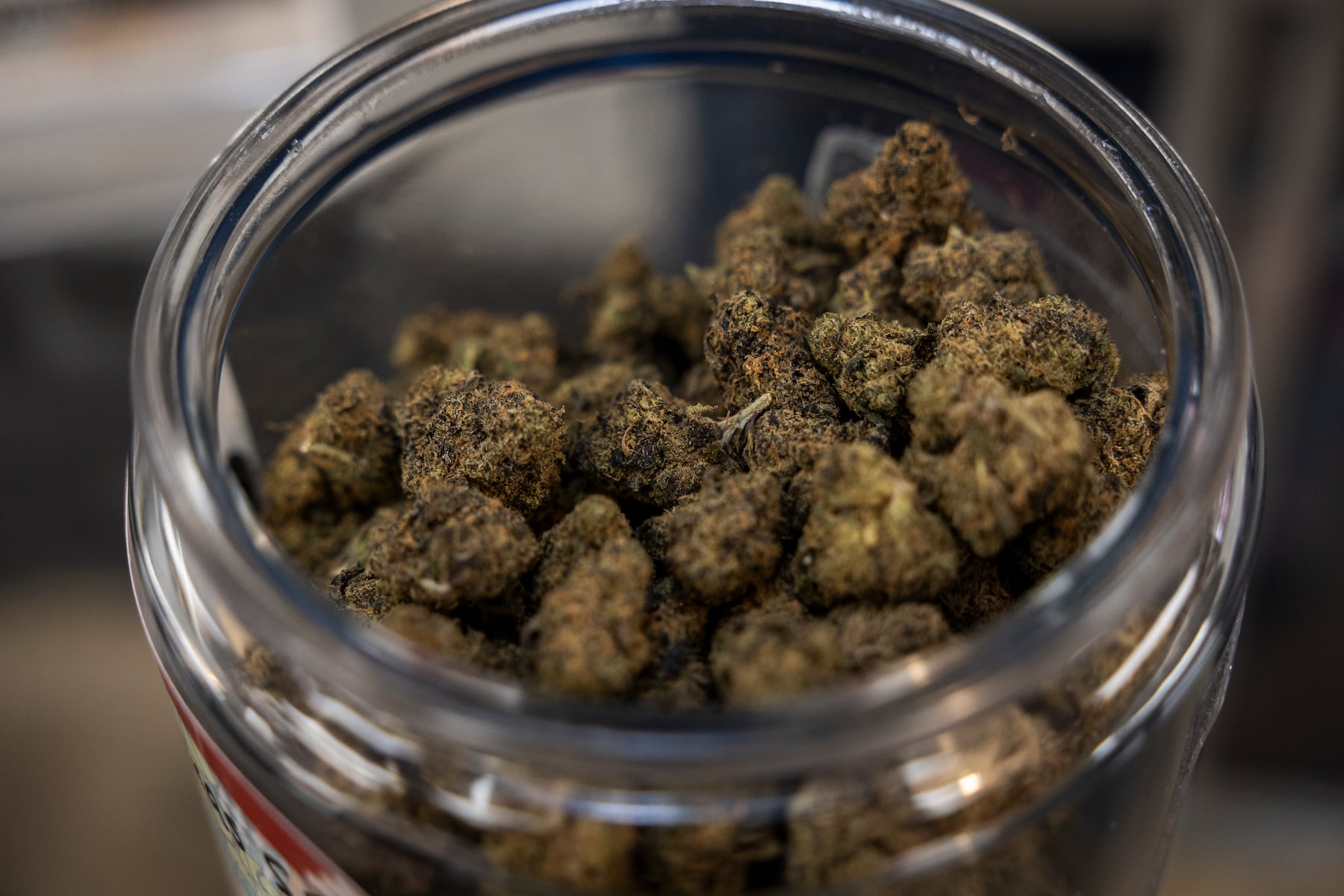
The Massachusetts cannabis industry is set for a significant transformation as the Cannabis Control Commission (CCC) introduces regulations permitting social consumption lounges. This change is designed to create designated areas where customers can enjoy cannabis products alongside food and beverages. Frank Dailey, owner of Boston Bud Factory in Holyoke, is eager to capitalize on this opportunity, which he believes will attract tourists and enhance his business.
The CCC unanimously approved the new regulations in December 2025, allowing licensed Marijuana Establishments (MEs) to establish areas for cannabis consumption. Although the regulations took effect in January 2026, it may take up to a year for the first lounges to open as local officials navigate the implementation process. According to CCC Commissioner Bruce Stebbins, the regulations are formalized and ready for action.
As of early February 2026, there are 686 licensed cannabis operations in Massachusetts, but only 139 are eligible to apply for social consumption licenses. Eligible businesses must fall into specific categories, including economic empowerment groups, microbusinesses, and those participating in the social equity program aimed at supporting individuals disproportionately affected by previous drug laws. Stebbins highlighted the importance of providing these entrepreneurs a competitive edge as the market grows.
Dailey’s participation in the social equity program stems from his background in Springfield, an area with historically high arrest rates for cannabis offenses. He notes the challenges posed by larger operators dominating the market, stating, “The inequity in this business makes it hard because the big guys control a lot of the market.” He sees the social consumption rules as a chance for smaller enterprises to thrive.
The CCC has invested several years in developing the framework for social consumption, which includes several safety measures. Individuals under 21 are prohibited from consuming cannabis in these establishments, and businesses cannot sell alcohol or tobacco. Customers will also be permitted to take home any unused products. Local municipalities must approve licenses for lounges, and outreach efforts are underway to address community concerns and questions.
Zori Alfonso, who manages Zaza Green Cannabis in Springfield, is currently awaiting her opportunity to participate in the social consumption initiative. She expressed her enthusiasm for the concept, noting, “It’s something we’ve talked about and would like to participate in as soon as we can.” Alfonso is observing how lounges operate in other states and believes it represents a natural evolution for the cannabis industry.
The new regulations also extend beyond dispensaries, permitting cannabis consumption at sanctioned events and allowing partnerships between cannabis and non-cannabis businesses. Stebbins envisions creative collaborations, suggesting opportunities for cannabis offerings at yoga studios, bed and breakfasts, and movie theaters, contingent upon local approval.
To ensure safety, businesses are required to implement measures to prevent over-consumption and assist patrons in returning home safely. The CCC mandates that employees undergo vendor safety training and that packaging includes information on the expected onset time of effects.
In 2025, Massachusetts cannabis sales exceeded $1.65 billion, setting a new record and indicating a thriving market ahead of the newly introduced social consumption licenses. Tim Shaw, Chief Operating Officer at MariMed, anticipates significant growth as lounges become operational. “It’s the next, natural step to normalization,” he remarked, equating cannabis social consumption to enjoying a beer with friends.
While the potential for increased business is exciting, both Dailey and Shaw acknowledge the financial implications of establishing lounges. The CCC’s regulations require sophisticated HVAC systems to ensure air quality, which could result in substantial startup costs. Dailey has heard estimates of up to $1 million for such systems, but the CCC is exploring state grants to assist entrepreneurs in overcoming financial barriers.
With the landscape of cannabis consumption in Massachusetts evolving, stakeholders are optimistic about the prospects for diversification and growth in the industry. As the state prepares to implement these new regulations, the focus remains on creating a responsible and enjoyable experience for consumers while supporting local businesses.