
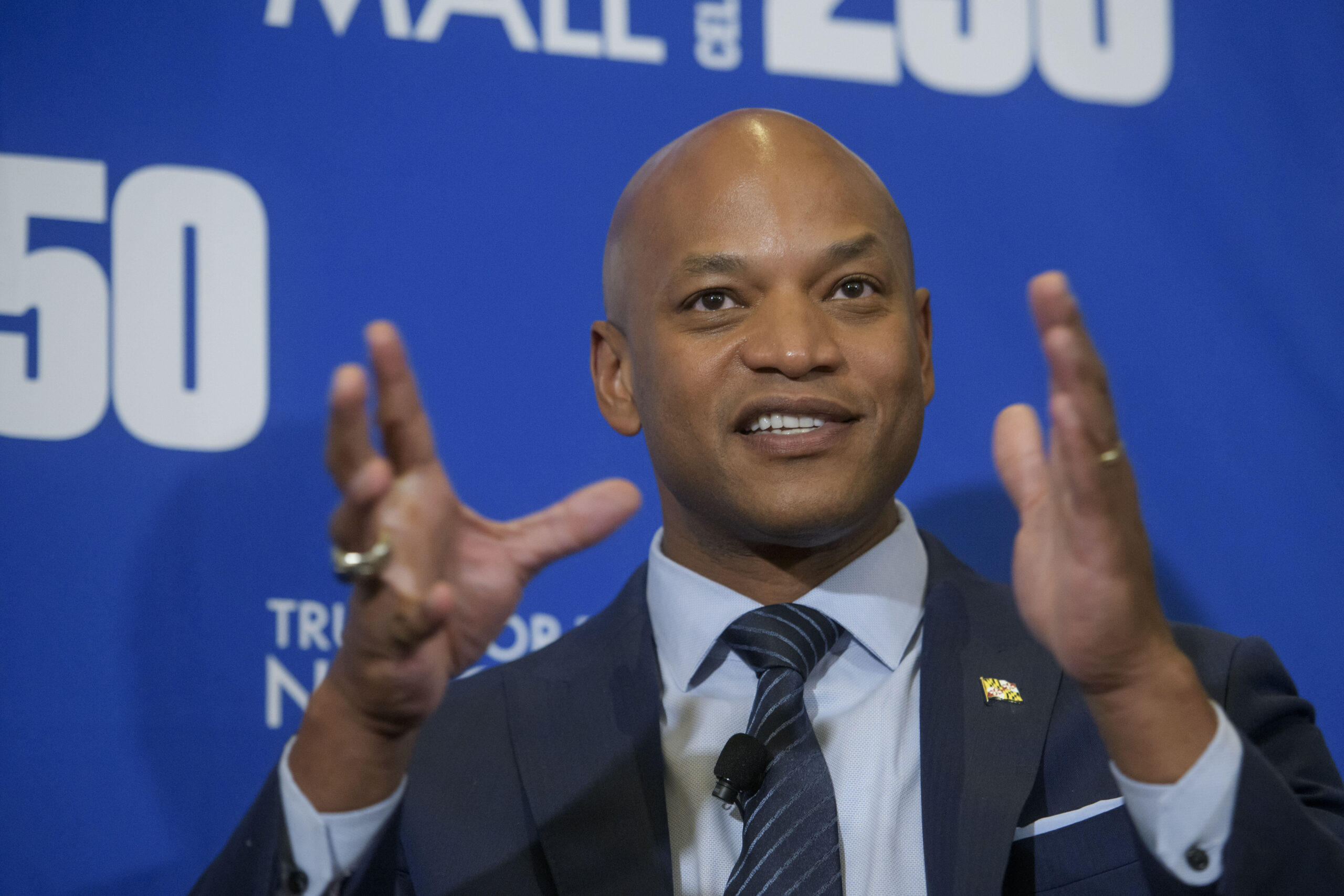
Residents of Maryland are expressing significant concerns regarding the redistricting proposal put forth by Governor Wes Moore. A recent survey revealed that fewer than one-third of the state’s residents consider this initiative to be a top priority, raising questions about its political viability and public support.
The proposed redistricting plan aims to redraw the electoral maps in a manner that could potentially influence future elections. Despite the governor’s assertion that these changes would promote fair representation, many residents feel disconnected from the process. The survey, conducted in early October 2023, indicates a notable lack of enthusiasm for the initiative, with only 28% of respondents identifying it as a vital issue.
Public Sentiment and Political Implications
The feedback from residents suggests a broader discontent with political maneuvers perceived as self-serving. Comments gathered during the survey highlight a growing frustration with what some see as an attempt to manipulate electoral outcomes. “We want our voices to be heard, not pushed aside for political gain,” stated one respondent. This sentiment reflects a wider concern regarding transparency and accountability in local governance.
Political analysts are closely monitoring the situation, noting that the lack of support could hinder the proposal’s progress within the Maryland State Legislature. If the redistricting plan fails to gain traction among constituents, it may prompt a reevaluation of Governor Moore’s strategy as he navigates the complexities of state politics.
Next Steps for the Proposal
As the conversation around redistricting continues, Governor Moore’s administration faces the challenge of engaging with residents to address their concerns. Town hall meetings are expected to be scheduled in the coming weeks to facilitate dialogue between lawmakers and constituents. The administration aims to clarify the benefits of the proposed changes and gather further input from the public.
With the legislative session approaching, timing will be critical. Should the proposal move forward, it will require careful consideration of feedback from the community. As Maryland residents continue to voice their opinions, the political landscape remains fluid, highlighting the importance of democratic engagement in shaping electoral processes.
In summary, Maryland’s redistricting initiative is at a crossroads, with public sentiment playing a crucial role in defining its future. The outcome of this proposal may not only impact electoral maps but also influence the political climate in the state for years to come.