
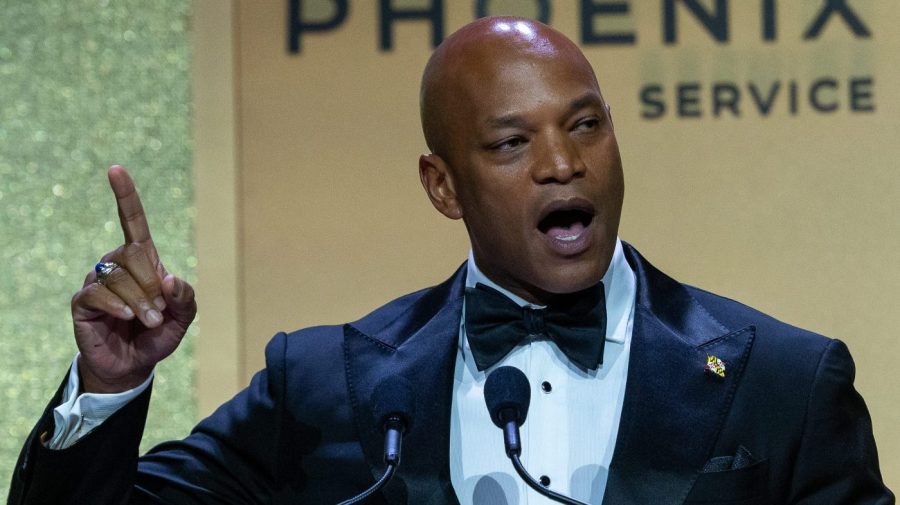
Maryland Governor Wes Moore has expressed his disappointment over President Donald Trump’s decision to exclude him and other Democratic governors from a meeting at the White House. On October 8, 2023, Moore took to the social media platform X to voice his frustration, stating he had been “uninvited” to the National Governors Association (NGA) dinner. This event is traditionally a gathering where state executives from both major political parties come together to discuss pressing issues.
In his post, Moore described the exclusion as “particularly confusing,” highlighting the importance of bipartisan dialogue among state leaders. The NGA, which includes governors from across the United States, aims to foster cooperation and shared solutions to challenges faced by states, regardless of political affiliation. Moore’s comments reflect a broader concern among Democratic leaders regarding the current administration’s approach to collaboration with opposition party members.
Moore’s remarks underscore a significant moment in political discourse, as governors play a crucial role in shaping policies that affect millions of Americans. By not inviting Democratic governors, the Trump administration may be perceived as fostering division rather than unity during an essential time for cooperation on issues such as healthcare, education, and infrastructure.
The absence of Democratic leaders at such gatherings raises questions about the administration’s willingness to engage across party lines. Moore’s frustration resonates with many who believe that collaboration is vital for effective governance, especially in a politically polarized environment.
This incident has sparked discussions about the importance of inclusivity in political discussions. As governors navigate the complexities of state governance, the ability to share insights and strategies with one another, regardless of party affiliation, remains essential.
The NGA dinner is not merely a social event; it serves as a platform for governors to share best practices and address common challenges. Moore’s comments serve as a reminder that the effects of political decisions reach far beyond party lines, impacting the lives of citizens across the nation.
In conclusion, Governor Moore’s response to his exclusion from the NGA dinner illustrates a growing frustration among Democratic leaders regarding the current political climate. With the potential for significant collaboration at stake, the importance of inviting all governors to the table cannot be overstated. As this story unfolds, it will be crucial to observe how these dynamics shape future interactions between the White House and state leaders.