
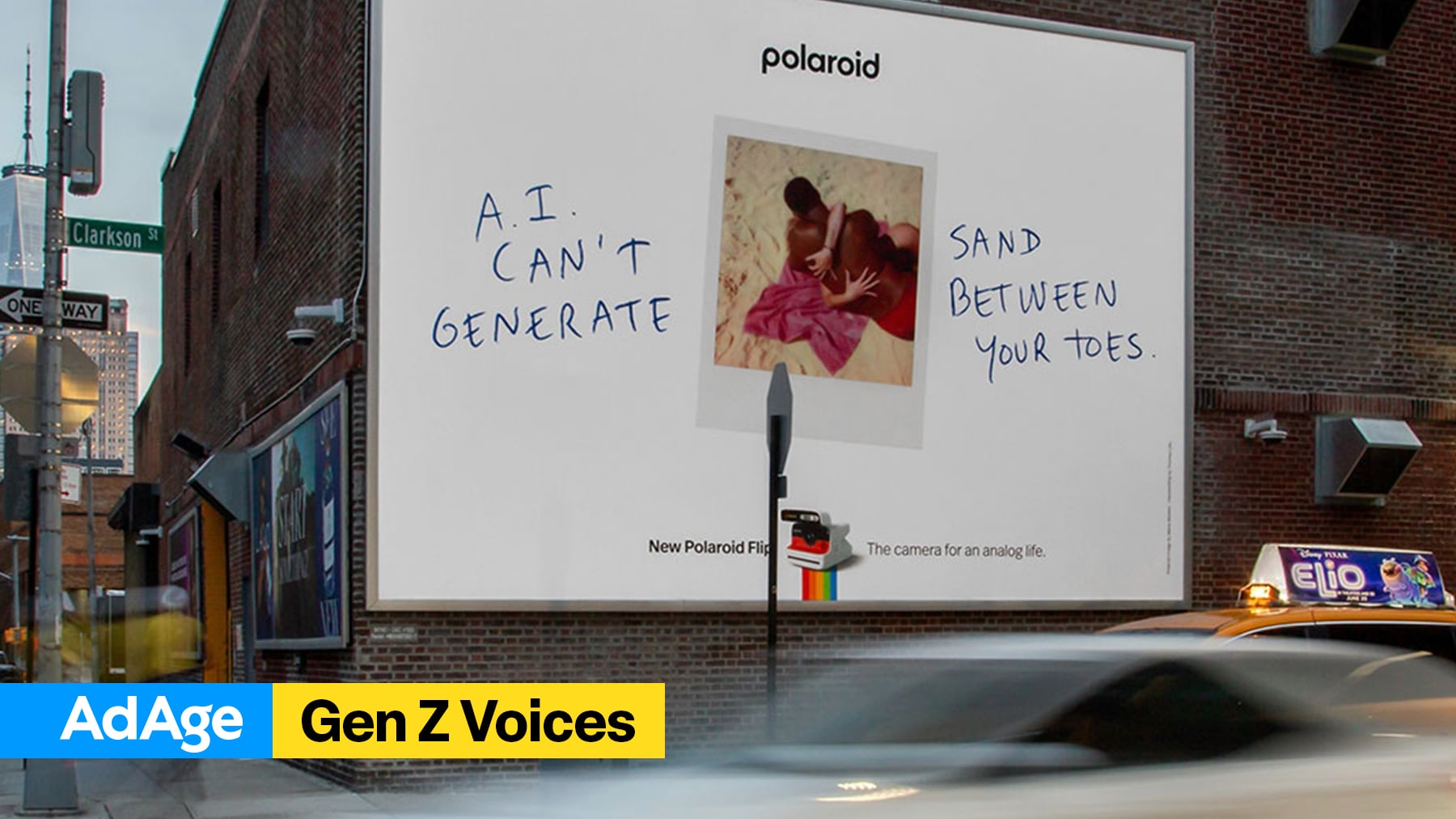
The marketing landscape is undergoing a significant transformation as Gen Z shifts its focus toward a slower lifestyle. This generation, known for its digital savviness and trend-driven behaviors, is now prioritizing mental well-being over constant engagement in fast-paced activities. According to a recent report by Deloitte, nearly 45% of Gen Z respondents expressed a desire to slow down and enjoy life more fully.
The trend marks a departure from previous expectations where youth culture revolved around staying out late, keeping up with the latest technology, and frequenting new entertainment spots. Today’s younger consumers are redefining what it means to be “cool.” Instead of chasing every trend, they are gravitating towards experiences that promote relaxation and self-care.
Understanding Gen Z’s New Priorities
This shift is reflected in their consumption patterns. Many Gen Z individuals are opting for wellness-focused products and services. According to The New York Times, this generation is increasingly interested in activities such as yoga, meditation, and other forms of self-care. In fact, 70% of Gen Z participants in a survey by Well+Good indicated that they are making a conscious effort to prioritize their mental health.
Marketers are now faced with the challenge of adjusting their strategies to resonate with this evolving mindset. Traditional marketing tactics that emphasize urgency and constant connectivity may no longer be effective. Instead, brands that offer authenticity and promote a balanced lifestyle are likely to capture the attention of this demographic.
Adapting Marketing Strategies for a Slower Pace
Social media platforms, traditionally a battleground for quick trends and flashy promotions, are also seeing a shift. Platforms like Instagram and TikTok are adapting to embrace content that emphasizes mindfulness and wellness. Marketers are encouraged to create campaigns that reflect these values, presenting their products as tools for enhancing well-being rather than mere status symbols.
The implications of this trend are far-reaching. Companies that fail to recognize this shift risk alienating a significant portion of their consumer base. As of 2023, Gen Z represents approximately 40% of global consumers, a demographic that brands cannot afford to overlook.
In conclusion, the change in Gen Z’s lifestyle preferences represents a critical moment for marketers. By understanding and embracing a slower pace, brands can forge deeper connections with this influential generation. As mental health and wellness continue to take precedence, marketers must adapt their strategies to ensure they align with Gen Z’s evolving values.