
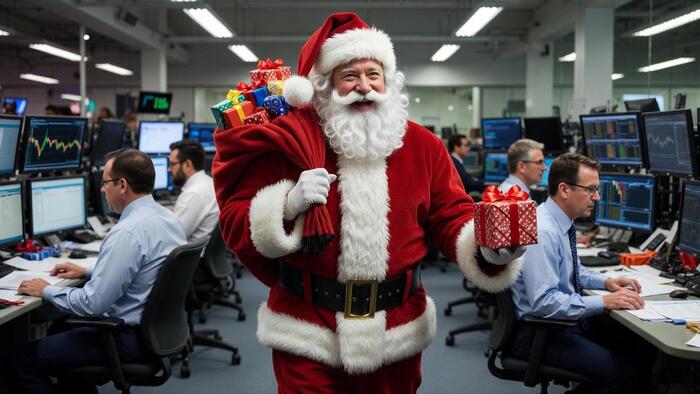
As the market prepares for the upcoming Federal Reserve meeting, expectations are high for a decision that could significantly influence economic conditions. According to Peter Tchir of Academy Securities, market analysts are currently pricing in a 95% probability that the Fed will take a supportive stance. This anticipation comes as the Fed’s chair, Jerome Powell, approaches a point in his tenure where his influence may wane significantly.
Fed Expectations and Market Dynamics
The market sentiment indicates that Powell is close to being perceived as a “lame duck” chair, meaning his statements may not hold substantial weight moving into the new year. Tchir suggests that the market may be underestimating the level of coordination expected between the Treasury, the Fed, and the administration. This collaboration is likely to focus on implementing innovative strategies to achieve the stated economic goals of 3% growth, 3% front-end yields, and a 10-year bond yield also aimed at 3%.
In a more lighthearted take, Tchir playfully crafted a poem to capture the sentiment of the approaching Fed Day. The whimsical piece highlights concerns over market reactions and the potential for a “Santa Rally,” where the markets may rise in anticipation of supportive measures from the Fed.
As he notes, the “vigilantes” in the market are currently divided in their expectations, with some anticipating aggressive measures such as quantitative easing and yield curve control. Tchir emphasizes that any forthcoming policies could lead to significant movements in market yields, particularly the difference between short- and long-term bonds.
Geopolitical Factors Impacting Economic Decisions
Geopolitical tensions also play a crucial role in shaping market dynamics. Ongoing conflicts, particularly between Ukraine and Russia, raise questions about potential peace agreements and their implications for global stability. Tchir observes that the contrasting terms agreed to by both parties indicate that a genuine resolution may be challenging to achieve.
In addition, the United States continues to focus on Venezuela, where the potential for increased oil production could shift market dynamics. The presence of the USS Ford in the region underscores a sense of urgency for the U.S. to leverage its capabilities, especially as the administration seeks to combat drug trafficking and secure access to Venezuela’s oil reserves.
China’s muted response to the Russia-Ukraine situation raises questions about its position regarding U.S. interests in the region. The relationship between China and Russia remains complex, and the potential for U.S. access to Venezuelan oil may further complicate these dynamics.
Tchir concludes that the current market landscape is influenced by numerous factors, including technology evaluations, supply chain risks, and the health of consumers. He expects that real concerns may not resurface until later this year or early next year, as seasonal trends and financial conditions evolve.
Looking ahead, the anticipated decision from the Fed is expected to set the tone for the market’s direction, with Tchir projecting that Fed Funds rates could fall to 3% or below by the June 2026 meeting. He believes that while market yields may experience fluctuations, decisive actions will be taken to address any undesirable increases.
As the financial landscape continues to shift amidst various pressures, investors and analysts are keenly watching for indicators that will guide their strategies in the weeks and months to come.