
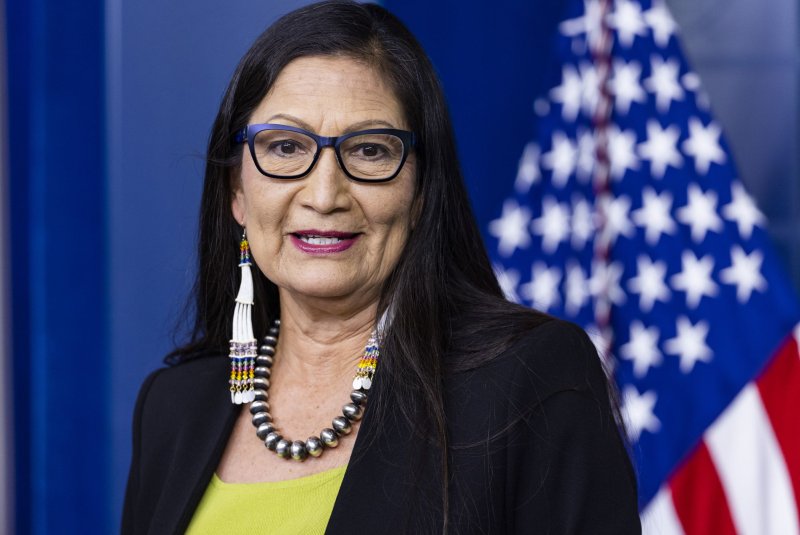
March 15 marks a significant day in history with numerous pivotal events spanning centuries. Notably, in 2021, Deb Haaland made history as the first Native American to serve in a presidential Cabinet, following her confirmation as the Secretary of the Interior by the U.S. Senate. This landmark achievement reflects a growing recognition of Indigenous voices in American politics.
Among the historical events of March 15, 44 B.C. stands out as a turning point in Roman history. Julius Caesar, a pivotal figure in the establishment of the Roman Empire, was assassinated by a group led by Brutus in Rome. The aftermath of his death was marked by political upheaval and a power struggle that reshaped governance in the region. A gold coin minted two years posthumously to commemorate his assassination was auctioned for an impressive $3.5 million in 2020.
Key Moments Through the Ages
In 1820, the United States witnessed the admission of Maine into the Union as the 23rd state, a significant moment in the context of the Missouri Compromise. This agreement sought to balance the interests of the North and South, setting the stage for future conflicts over slavery and territorial expansion.
The events of 1916 saw U.S. Army General John “Black Jack” Pershing lead an expedition into Mexico with the intent to capture revolutionary leader Pancho Villa. Despite the extensive resources allocated to this two-year undertaking, the mission ultimately proved unsuccessful, highlighting the challenges of military interventions.
The political landscape shifted dramatically in 1917 when Czar Nicholas II abdicated during the February Revolution in Russia. This abdication marked the beginning of a tumultuous period that would eventually lead to the establishment of the Soviet Union.
Social Movements and Global Impact
March 15 is also significant for social justice movements. In 1965, in response to violent confrontations in Selma, Alabama, President Lyndon Johnson addressed Congress, proclaiming that “We shall overcome.” His call to action aimed to secure voting rights for all Americans, playing a crucial role in the Civil Rights Movement.
The political landscape continued to evolve in 1990 when Mikhail Gorbachev was elected as the first and only president of the Soviet Union, a position that would contribute to significant reforms and ultimately the dissolution of the USSR.
The beating of Rodney King by Los Angeles police officers in 1991 led to a grand jury indictment of four officers on felony assault charges. Their subsequent acquittals in 1992 ignited violent riots throughout Los Angeles, revealing deep-seated tensions regarding race and policing in America.
Internationally, March 15 has also been marked by tragedy. In 2019, a gunman opened fire at two mosques in New Zealand, resulting in the deaths of 51 individuals. This act of violence shocked the global community and highlighted ongoing issues of extremism and intolerance.
The ongoing conflict in Syria is also remembered on this day, with protests demanding democratic reforms erupting in 2011. The Syrian government’s violent response to these demonstrations led to thousands of deaths, marking the beginning of a devastating civil war that continues to impact the region.
In a more recent development, March 15, 2024, saw former Vice President Mike Pence publicly state that he would not endorse Donald Trump for president. This declaration came in the context of the 2024 presidential race, which ultimately resulted in Trump securing victory and selecting J.D. Vance as his running mate.
Each of these events underscores the complexity and interconnectedness of history, reflecting societal changes and the struggles for power, rights, and recognition across different eras.