
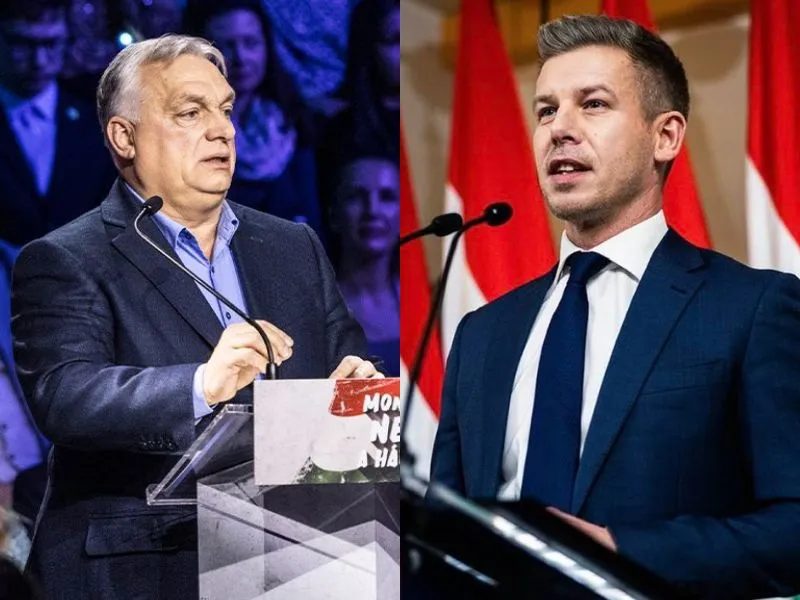
Preparations are underway for Hungary’s National Day on March 15, 2024, as both pro-government and opposition groups mobilize for significant political rallies. This year’s celebrations occur in a notably charged political atmosphere, with both sides making concerted efforts to gather large crowds in Budapest.
The Peace March, traditionally the largest pro-government event on this holiday, will take place on the same day as the opposition’s National March. Organizers of the Peace March, including the Civil Cooperation Forum (CÖF), have confirmed the date, despite earlier discussions about possibly rescheduling. They expect participants to arrive in Budapest via organized transport from across the country. Prime Minister Viktor Orbán announced the event on social media, stating simply, “Peace March on March 15. The biggest,” emphasizing the government’s stance on peace.
László Csizmadia, president of CÖF, indicated that they anticipate a substantial turnout, reflecting the government’s portrayal as a peace-oriented political force. He urged all Hungarians opposed to war to attend, signaling an expectation for a larger event than previous years.
In contrast, the Tisza Party has announced its own gathering on Andrássy Avenue, encouraging supporters to “fill the avenue together.” This rally aims to present a united front against what they describe as a corrupt political system. The Tisza Party’s invitation carries a historical resonance, calling for unity reminiscent of the heroes of Hungary’s 1848 revolution. In less than a week, over 42,000 people have expressed interest in the National March on social media, indicating significant early enthusiasm.
Péter Magyar, president of the Tisza Party, touted the event as potentially the largest since Hungary’s democratic transition. He called on citizens to join and make their voices heard, adding urgency to the rally’s goals of dismantling the current political landscape.
The convergence of these two large demonstrations on March 15 highlights the significance of the day, which commemorates the 1848–49 revolution and war of independence. In recent years, the celebrations have transformed into a platform for political expression, with both major parties keen to showcase their strength.
As Hungary approaches the upcoming elections, the rallies are expected to send strong political messages, influencing voter sentiment. While neither event will singularly dictate the election outcome, the mass mobilization so close to the campaign period has the potential to shape the political narrative.
The political climate in Hungary remains dynamic, with both rallies set to draw substantial attention and participation. As the nation prepares for its National Day, the events on March 15 will reflect the competing visions for Hungary’s future.