
URGENT UPDATE: Maine faces a pressing need to revitalize its rural arts scene, as new reports reveal a staggering $2.5 billion in economic potential remains untapped. With over 18,000 workers dependent on creative industries, the call for increased investment in the arts has never been more critical, particularly for small towns.
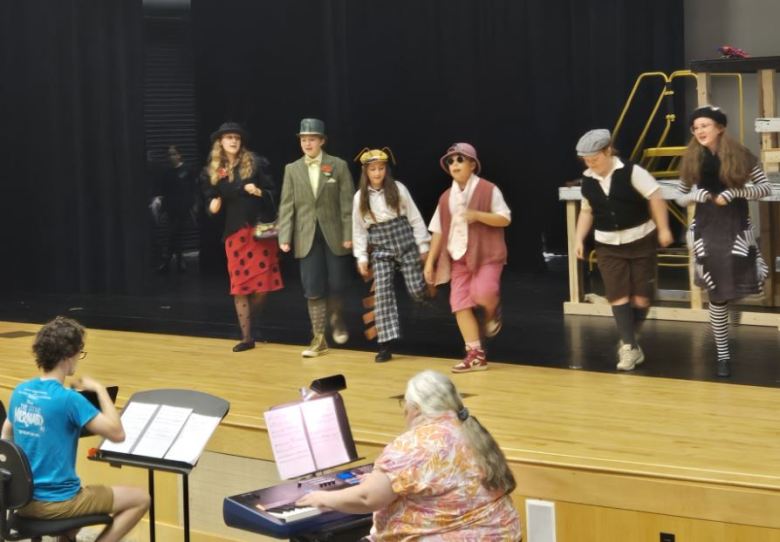
Katie Gilman, a Portland native now living in New York City, emphasizes the importance of restoring arts access. “We’re going to rebuild the stages, reopen the rehearsal halls and bring thousands of performances back into our small towns,” she states. This sentiment resonates with the urgent need for economic diversification in rural Maine, where traditional industries are slowing down.
Despite its cultural significance, Maine ranks among the lowest-spending states on the arts. Authorities report that a mere 42% of adults attended live arts performances in 2022, highlighting a significant engagement in the arts community. However, funding is disproportionately concentrated in Greater Portland, leaving rural areas deprived of essential cultural infrastructure.
The economic impact is immense: Maine’s arts venues and festivals alone generate a whopping $550.3 million annually. As rural regions struggle with social isolation and economic hardship, investing in the arts emerges as a vital solution. Enhanced arts funding could foster community identity and provide a much-needed boost to local economies.
National research supports this view, indicating that towns benefit tremendously from arts initiatives. These programs not only honor local traditions but also invigorate community connections. As Maine experiences its long winters, rural residents urgently need cultural spaces that foster engagement and creativity.
Opponents of increased funding argue that Portland’s vibrant arts scene suffices. However, disparities in resource allocation reveal a critical gap. In 2024, Portland received $5.6 million in government grants for arts initiatives, overshadowing the limited resources available for rural programs, such as the $130,000 distributed by Maine Expansion Arts in 2021.
The urgency for a statewide strategy is palpable. By investing in local venues, nonprofit arts programs, and developing creative workforce pipelines, Maine can harness its cultural power for economic revitalization.
Art is not merely a luxury; it is a fundamental driver of community engagement and economic growth. This is a moment for Mainers to unite and advocate for a balanced investment in the arts that reflects the desires and needs of all its residents.
With the potential for revitalization hanging in the balance, now is the time for action. Mainers must rally to ensure that the arts serve as a catalyst for transformation, allowing every corner of the state to thrive. Engage with local leaders, advocate for funding, and support initiatives that bring the arts to the forefront of Maine’s economic strategy.
The call for action is clear; the future of Maine’s rural economy depends on it.