
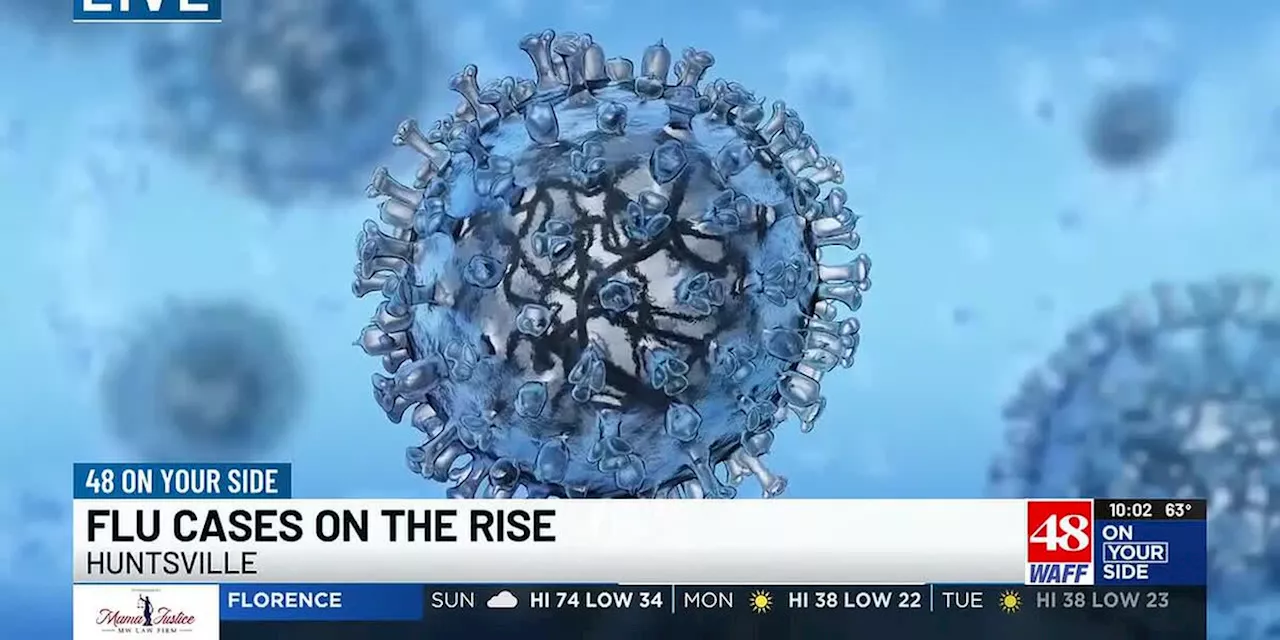
A local family physician is urging residents to take proactive measures against increasing influenza cases as the flu season progresses. Dr. Tim Howard emphasizes the importance of visiting primary care physicians when experiencing symptoms such as coughs, runny noses, and fevers. These symptoms often signal the onset of flu, a viral infection that is particularly prevalent during this time of year.
Dr. Howard’s call to action comes in light of recent data from the Alabama Department of Health, which indicates a significant rise in flu cases. The report revealed that during the week preceding Christmas, approximately 2.71% of Emergency Department visits statewide tested positive for influenza. This early surge suggests that the flu season is underway, with expectations for case numbers to continue climbing in the coming weeks.
The physician stresses that individuals exhibiting flu-like symptoms are infectious from the onset of their symptoms. As such, he recommends self-isolation and limiting contact with others to help curb the virus’s spread. Dr. Howard noted that taking these preventative steps not only protects individual health but also contributes to community well-being, particularly for vulnerable populations such as the elderly and young children.
Importance of Vaccination
Vaccination is a key component in managing the flu and reducing its impact. Dr. Howard highlights that while the flu vaccine may not completely prevent infection, it significantly lessens the severity of symptoms. The vaccine prompts the body to build antibodies, which can mitigate the flu’s effects even when the circulating strain is not an exact match to the vaccine.
He urges residents to get vaccinated promptly, explaining that the vaccine requires approximately seven days to become fully effective. By getting vaccinated now, individuals can better prepare themselves for the anticipated increase in cases and alleviate pressure on healthcare facilities during peak flu season.
Dr. Howard’s insights align with established public health guidelines, which advocate for good hygiene practices, including frequent handwashing and covering coughs and sneezes to prevent viral transmission. These simple measures, coupled with vaccination, play a critical role in promoting community health and protecting those at the highest risk of complications from the flu.
The doctor’s recommendations serve as a reminder of the importance of personal responsibility in public health. By prioritizing their health and that of their communities, residents can significantly reduce the spread of the flu and its associated health complications.
In summary, as flu cases rise and the season progresses, early action, including seeking care from primary physicians and getting vaccinated, is essential for individual and community health. Dr. Howard’s guidance offers valuable insight into navigating this flu season effectively.