
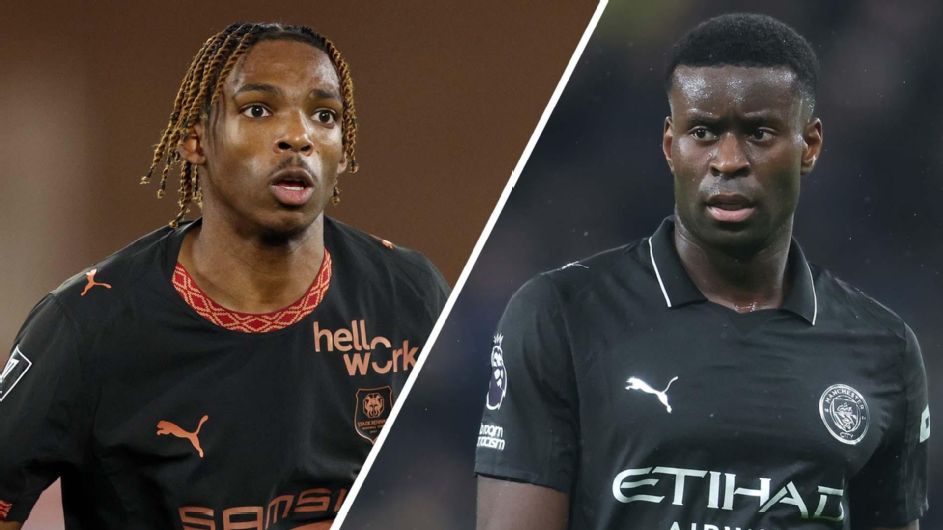
Liverpool FC’s lack of activity in the January transfer window has prompted scrutiny and speculation among fans and analysts alike. Despite facing significant injuries to their defensive lineup, the club opted not to secure additional players before the transfer window closed, raising questions about their strategic approach.
Going into January, Liverpool clearly needed to bolster their defense. The club attempted to sign Marc Guéhi from Crystal Palace for approximately £35 million (about $47 millionGiovanni Leoni, a young center-back they had acquired, to a season-ending injury. By January 8, 2026, another defender, Conor Bradley, faced a similar fate, leaving Liverpool with a depleted defensive roster.
The situation has become increasingly precarious, as one of the remaining defenders, Virgil van Dijk, is now 34 years old, and two others, Andy Robertson and Ibrahima Konaté, are set to become free agents in June. Additionally, defenders Milos Kerkez and Jeremie Frimpong have faced injury issues, with Frimpong sidelined due to multiple hamstring injuries this season.
While Liverpool’s official roster lists additional defenders, such as Rhys Williams and Calvin Ramsay, their lack of recent first-team experience raises further concerns. Williams has not played for Liverpool in over four years, while Ramsay, once highly regarded, has only made five league starts in the last three-and-a-half years due to injuries.
The rationale behind Liverpool’s inactivity in the transfer market is unclear. Some speculate that financial constraints may have influenced their decisions, particularly after a significant summer spending spree. Nevertheless, failing to address defensive weaknesses could have severe financial repercussions. Missing out on next season’s Champions League could cost the club over €80 million in potential revenue, and an early exit from this year’s tournament could mean losing an additional €30 million.
With Liverpool’s performance suffering—winning just one of six league matches in January—there is concern about whether the team could have benefited from even a temporary addition to the squad. In the past, during a defensive crisis in the 2020-21 season, the club successfully utilized Nat Phillips, a player who had been relatively unknown, to help stabilize their defense.
Liverpool’s January inaction suggests one of two possibilities. Either the club attempted to secure a player and failed, indicating a breakdown in execution, or they assessed their current defensive options as sufficient. The latter conclusion contradicts conventional wisdom, which typically advocates for depth and insurance against player injuries and performance fluctuations.
In light of these developments, Liverpool’s strategy moving forward remains uncertain. As the club continues to navigate a challenging season, fans and analysts alike will be watching closely to see how management addresses the pressing need for defensive reinforcements. Whether the decision-making reflects a deeper understanding of the team’s dynamics or a miscalculation will likely influence the club’s fortunes in the months to come.