
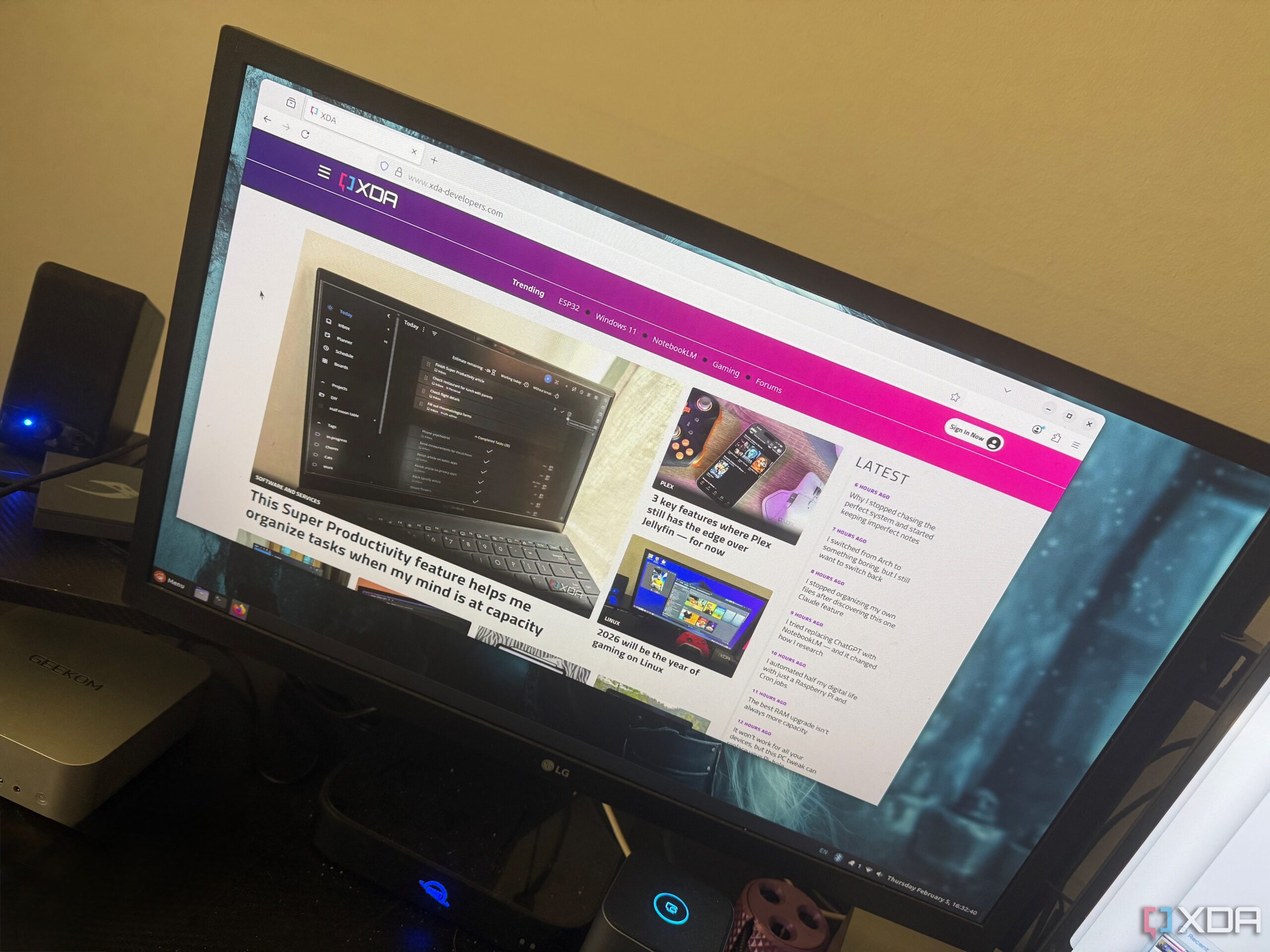
UPDATE: Linux desktops are experiencing a dramatic surge in design quality, reshaping user experiences and expectations. This shift is happening NOW, with distributions prioritizing cohesive aesthetics that enhance usability and trust.
Recent reports confirm that Linux distros, once known for their lackluster design, are now delivering polished interfaces that appeal to both new and experienced users. This transformation is not just about looks; it signals a commitment to user satisfaction that is long overdue.
As of October 2023, many users are choosing Linux distros much like they would select a smartphone. They desire a seamless experience where settings, applications, and interfaces work in harmony. The first boot is no longer a confusing initiation but a carefully curated moment, setting the stage for a productive user journey.
Why This Matters: The evolution in design means less time spent troubleshooting and more time enjoying a stable environment. For years, users endured fragmented experiences that required extensive tweaking. Now, many distros are offering a comprehensive experience right out of the box. This is a game-changer for those frustrated by the traditional Linux learning curve.
Experts note that the maturity of desktop environments is crucial to this shift. GNOME has adopted clearer visual systems, while KDE Plasma has refined its defaults, creating a more consistent user interface. With modern packaging methods, developers can ensure that applications remain visually coherent across updates, enhancing overall user satisfaction.
The emotional impact is significant: users are finding Linux more approachable than ever. No longer do they have to become part-time UI designers. Instead, they can focus on productivity from the get-go, reducing the fear of breaking something essential.
What’s Next: Users can expect continued improvements as distros compete for the best onboarding experiences. The focus on consistency and user-friendly design is likely to intensify, encouraging developers to innovate further. This competition benefits everyone, as it raises the bar for usability across the board.
While challenges remain—such as unpredictable hardware support and the need for deeper customization options—distros are making strides towards a more cohesive experience. The focus on user-friendly defaults and clear settings layouts is becoming a core requirement, rather than a bonus.
The new approach encourages users to articulate their preferences more clearly. They can now provide feedback based on actual experiences, influencing future iterations of Linux distributions. This evolution transforms Linux from a niche tech choice into a viable option for everyday use.
In conclusion, the design competition among Linux distros is a critical moment for the ecosystem. With a focus on usability and emotional engagement, users are more likely to recommend these systems without caveats. As Linux continues to level up in design, it’s crucial for developers to maintain this momentum and prioritize user experience over superficial aesthetics.
Stay tuned for more updates as this trend develops, promising to redefine how we interact with Linux in our daily lives.