
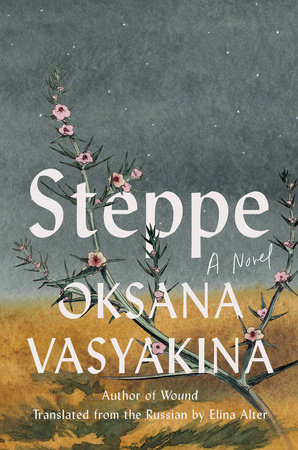
In a vivid portrayal of life on the vast steppe, Oksana Vasyakina captures the essence of a truck driver’s experiences while traversing the expansive landscapes of Russia. The narrative reflects on the challenges and realities faced by those who drive through regions often overlooked, revealing both the beauty and the harshness of the environment.
Driving the Steppe: An Unforgiving Landscape
From the window of a truck, the steppe unfolds like a sprawling canvas, marked by undulating hills and the occasional flash of color from wildflowers. For many, including Vasyakina’s father, driving along these remote roads is a way of life. “Never pull off the paved road,” he would warn, emphasizing the dangers of getting stuck in the sandy terrain.
While transporting goods such as steel pipes, the journey can be treacherous. The early morning light reveals a blinding pink horizon as drivers navigate the empty highways. Vasyakina recounts a harrowing incident involving her father when he encountered two intoxicated traffic officers speeding towards him. The collision, which occurred when her father was asleep at the wheel, underscores the unpredictability of the steppe.
“It was an accident,” the responding officers concluded, marking a tragic end for the two officers involved.
The Steppe: A Historical and Economic Landscape
Once a fertile area capable of sustaining agricultural endeavors, the steppe now presents a stark, desolate appearance, littered with remnants of abandoned irrigation systems. These pipes, once vital for cultivation, have become targets for theft and resale, reflecting the economic struggles that have transformed the region.
Vasyakina illustrates the cycle of life and decay, detailing how small-time businessmen hire trucks to transport stolen pipes to urban centers like Moscow and Astrakhan. Her father’s experiences highlight a world where the movement of goods is dictated by chance and opportunity rather than legality.
“It’s all up to chance,” her father remarks, portraying an acceptance of the unpredictable nature of their work. The monotony of waiting for shipments in the middle of the steppe becomes a shared experience, filled with simple pleasures like cooking and enjoying each other’s company.
This narrative does not shy away from the emotional toll of such a lifestyle. The steppe, with its vastness, becomes a character in itself, embodying both solitude and freedom. Vasyakina’s father finds solace in the openness, yet the long hours and harsh conditions leave him feeling trapped in a cycle of work without reward.
As he navigates the rough roads leading into Volgograd Oblast, he voices frustration over impending trucking reforms that threaten to impose additional fees and regulations on drivers. “Why should I pay for the roads?” he asks, emphasizing a longstanding grievance among truckers.
The narrative ultimately presents a complex relationship with the steppe—one of admiration, frustration, and acceptance. Vasyakina’s ability to weave personal anecdotes with broader socio-economic themes brings the steppe to life, illustrating its significance in shaping the identities of those who traverse it.
In conclusion, Vasyakina’s exploration of the steppe is more than just a physical journey; it is a deep dive into the human experience within an unforgiving landscape. The stories of truck drivers and their connection to the land reveal a poignant truth about resilience and the search for meaning in the vast, empty spaces they navigate.