
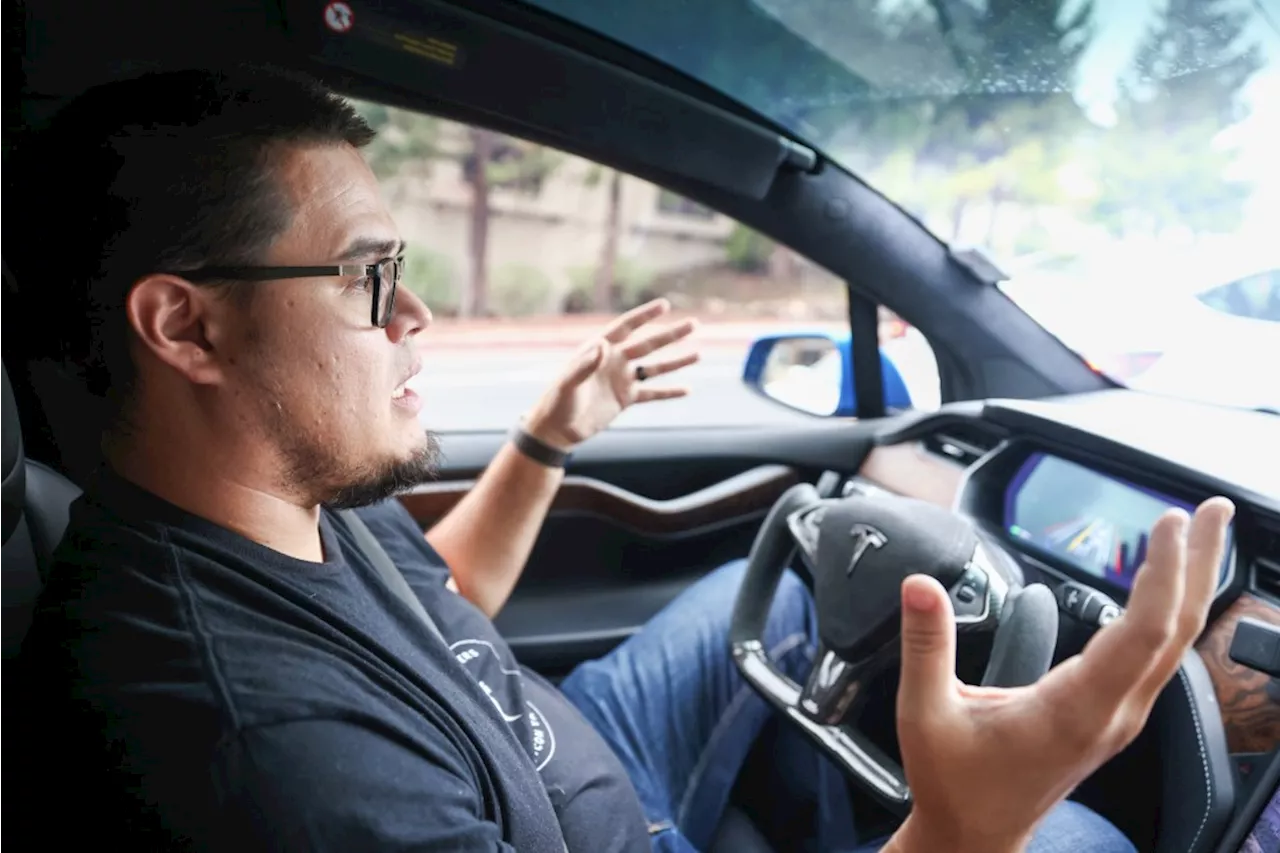
Lemonade, an innovative insurance company powered by artificial intelligence, has announced plans to offer reduced insurance rates for Tesla drivers utilizing the Full Self-Driving (FSD) system. This new pricing strategy, applicable to drivers in Arizona and Oregon, is based on data indicating a lower risk associated with the use of this technology.
The initiative aims to provide Tesla owners with a more affordable option while acknowledging the advancements in autonomous driving. Lemonade’s decision comes at a time when the FSD technology is under scrutiny due to a safety investigation by the United States government.
Understanding the Pricing Strategy
By offering lower per-mile insurance rates, Lemonade positions itself as a forward-thinking player in the insurance market. The company claims that the FSD system significantly reduces the likelihood of accidents, thereby justifying the decrease in insurance premiums. Lemonade’s analysis suggests that drivers who utilize this technology pose less risk compared to traditional drivers, allowing for more competitive pricing.
The reduced rates could have a notable impact on Tesla owners. For instance, those who drive frequently with FSD enabled may find substantial savings on their insurance costs, which can be a considerable expense for many vehicle owners. These changes reflect the evolving landscape of the auto insurance industry, where data-driven insights are increasingly shaping pricing models.
Context of the Safety Investigation
While Lemonade is taking steps to adapt to the changing technological environment, it is essential to consider the ongoing safety investigation into Tesla’s Full Self-Driving system. The United States National Highway Traffic Safety Administration (NHTSA) is currently examining various incidents related to the technology, focusing on its safety and reliability. This scrutiny underscores the complexities and potential risks associated with autonomous driving systems.
Despite the investigation, Lemonade’s confidence in the safety profile of FSD drivers indicates a belief in the technology’s future. The company is betting that the data supporting its pricing approach will resonate with consumers who are eager for both advanced driving capabilities and cost-effective insurance solutions.
As the insurance market continues to adapt to innovations in vehicle technology, Lemonade’s initiative could serve as a model for other companies exploring similar offerings. By aligning insurance pricing with technological advancements, firms may not only enhance their competitiveness but also promote safer driving practices.
This development highlights a broader trend in which technological advancements in the automotive sector are being met with corresponding shifts in insurance practices. As more drivers adopt self-driving features, the insurance industry is likely to undergo significant transformations, reflecting the changing dynamics of risk assessment.
Overall, Lemonade’s new insurance model for Tesla drivers utilizing the Full Self-Driving system marks a significant step in the integration of technology and insurance. As the industry continues to evolve, the interplay between vehicle automation and insurance pricing will be crucial in shaping consumer choices and safety standards.