
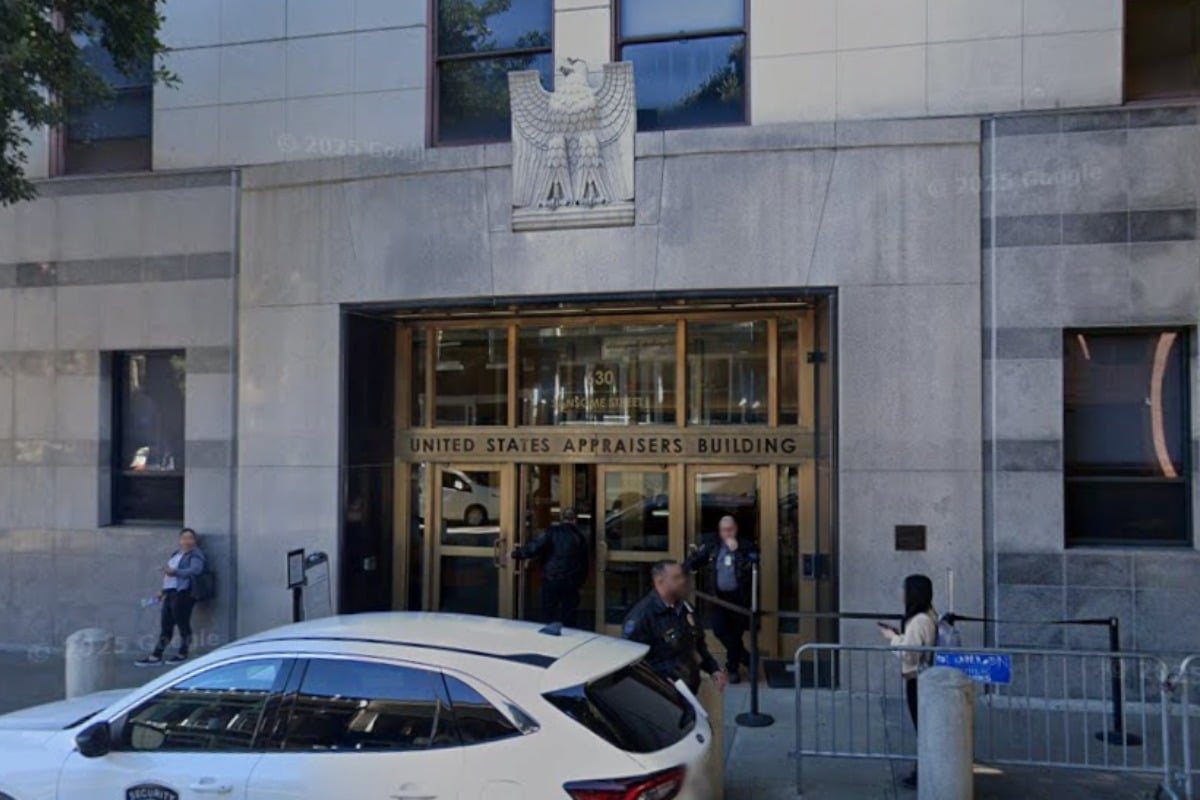
In a significant ruling, U.S. District Judge P. Casey Pitts has halted the practice of Immigration and Customs Enforcement (ICE) agents arresting migrants at immigration courthouses in Northern California. This decision, which responds to a lawsuit filed by the American Civil Liberties Union (ACLU), aims to protect the rights of noncitizens and mitigate the chilling effect these arrests have had on their participation in legal proceedings.
The decision emerges from concerns that these arrests forced migrants into a “Hobson’s choice between two irreparable harms,” as articulated by Judge Pitts. Previously, these arrests disrupted families and hindered access to legal counsel, creating an environment of fear surrounding court appearances. Judge Pitts emphasized that individuals attending court should not face the risk of arrest while seeking legal redress.
Shifts in Immigration Policy
The ruling marks a departure from practices established during previous administrations. While the Trump administration intensified courthouse arrests as part of a broader strategy to increase deportations, the earlier approach under former President Barack Obama and initial policies of the Biden administration focused on detaining individuals deemed threats to public safety.
According to Jordan Wells, a representative from the Lawyers’ Committee for Civil Rights of the San Francisco Bay Area, “People who show up for court expecting to go home at the end of the day shouldn’t have to choose between pursuing their case in immigration court or risking arrest and giving up hope of pursuing the American dream.” This sentiment reflects the broader implications of the ruling, which aims to restore trust in the judicial process for noncitizens.
Wider Impact of the Ruling
The ACLU’s lawsuit has been granted class-action status, ensuring the implications of this ruling extend beyond Northern California to include Central California and territories such as Hawaii, Guam, and Saipan. Judge Pitts’ order pauses the “re-detention policy” until a final judgment is reached, anticipated in the coming months. The judge noted the lack of a “reasoned explanation” or supporting evidence for the policy change, deeming it arbitrary.
As this ruling takes effect, noncitizens may experience reduced anxiety regarding their court appearances. While the final ruling is still pending, the immediate halt to courthouse arrests represents a significant shift in the landscape of immigration enforcement, allowing individuals to pursue their legal cases without the looming threat of detention.
The decision underscores a critical moment in the ongoing debate surrounding immigration policy in the United States, highlighting the need for a balanced approach that respects the rights of individuals while addressing national security concerns.