
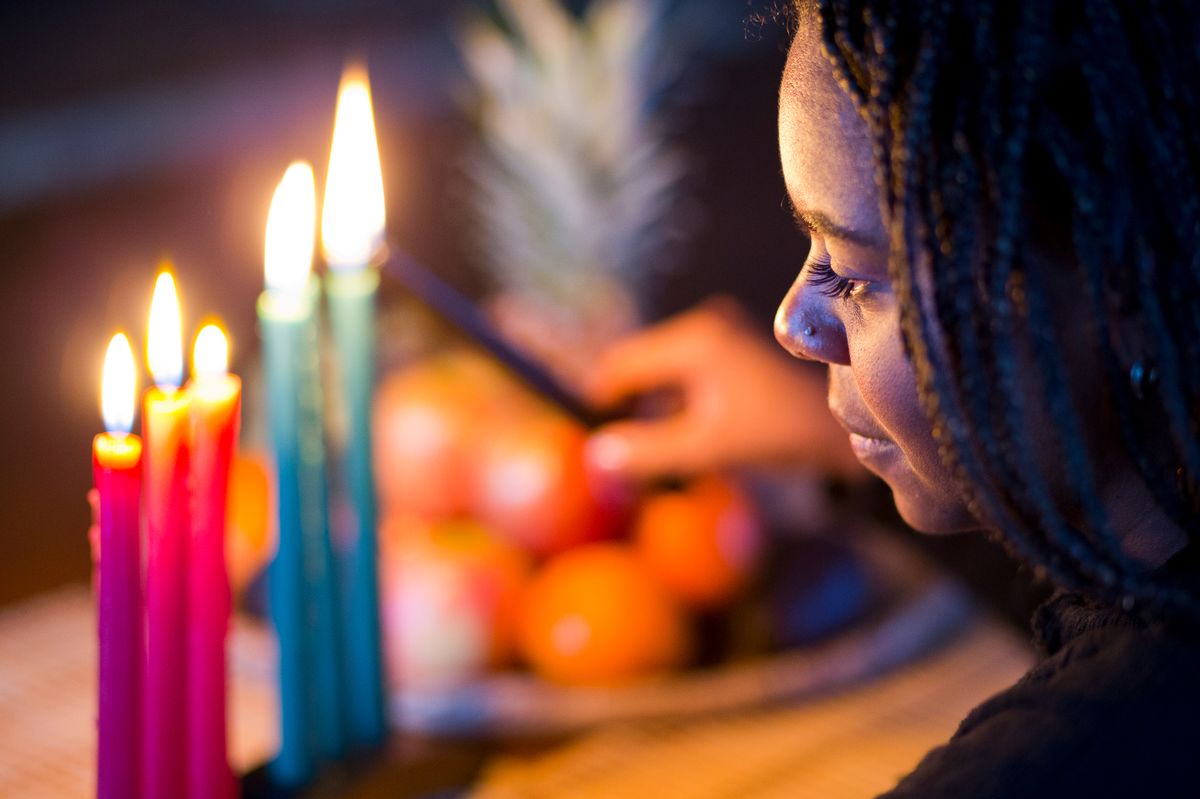
As Kwanzaa begins on December 26, 2023, millions of people around the world engage in a celebration that honors African heritage and cultural values. This week-long event culminates on January 1, marking the importance of unity and community among African American families and individuals.
Kwanzaa revolves around seven core principles, known as the Nguzo Saba. Each principle serves as a guiding philosophy for participants, promoting values that strengthen community ties and encourage personal growth. The principles include **Umoja** (Unity), **Kujichagulia** (Self-Determination), **Ujima** (Collective Work and Responsibility), **Ujamaa** (Cooperative Economics), **Nia** (Purpose), **Kuumba** (Creativity), and **Imani** (Faith). These ideals are celebrated through various activities, including storytelling, communal meals, and cultural performances.
Understanding the Principles
The first principle, **Umoja**, emphasizes the significance of unity in families and communities. This foundation is essential for fostering strength and resilience, especially within African American communities. The second principle, **Kujichagulia**, encourages individuals to define themselves, speak for themselves, and create their own destiny, which is vital in today’s dynamic society.
Moving forward, **Ujima** advocates for collective responsibility, urging participants to work together to improve the community. This principle is particularly relevant as many face social and economic challenges. **Ujamaa** reinforces the importance of cooperative economics, promoting the support of Black-owned businesses to ensure financial empowerment.
The principles extend beyond economic considerations. **Nia**, or purpose, inspires individuals to contribute to the collective good, while **Kuumba** highlights the importance of creativity in enriching community life. Finally, **Imani** calls for unwavering faith in oneself, family, and community, which is crucial for overcoming obstacles.
Wider Impact and Recognition
Kwanzaa was established in 1966 by the activist **Maulana Karenga** as a means to connect African Americans with their African roots. Over the years, it has grown into a global celebration, with events held in numerous countries. According to research conducted by the Pew Research Center, approximately **22%** of Americans recognize Kwanzaa, although awareness is not as widespread as that of other cultural holidays.
The significance of Kwanzaa has been highlighted in various studies, including a recent report revealing that a staggering number of Americans know “little or nothing at all” about Juneteenth, another important date in African American history. This indicates a need for increased awareness and education surrounding these cultural celebrations.
As families and communities gather to celebrate Kwanzaa, the emphasis on the Nguzo Saba remains a vital tool for fostering unity and strength. Each principle encourages reflection and action, reminding participants of their cultural heritage and the importance of community in achieving personal and collective goals.
In a world that often seems divided, Kwanzaa shines as a beacon of hope, urging individuals to connect, collaborate, and celebrate their rich cultural history.