
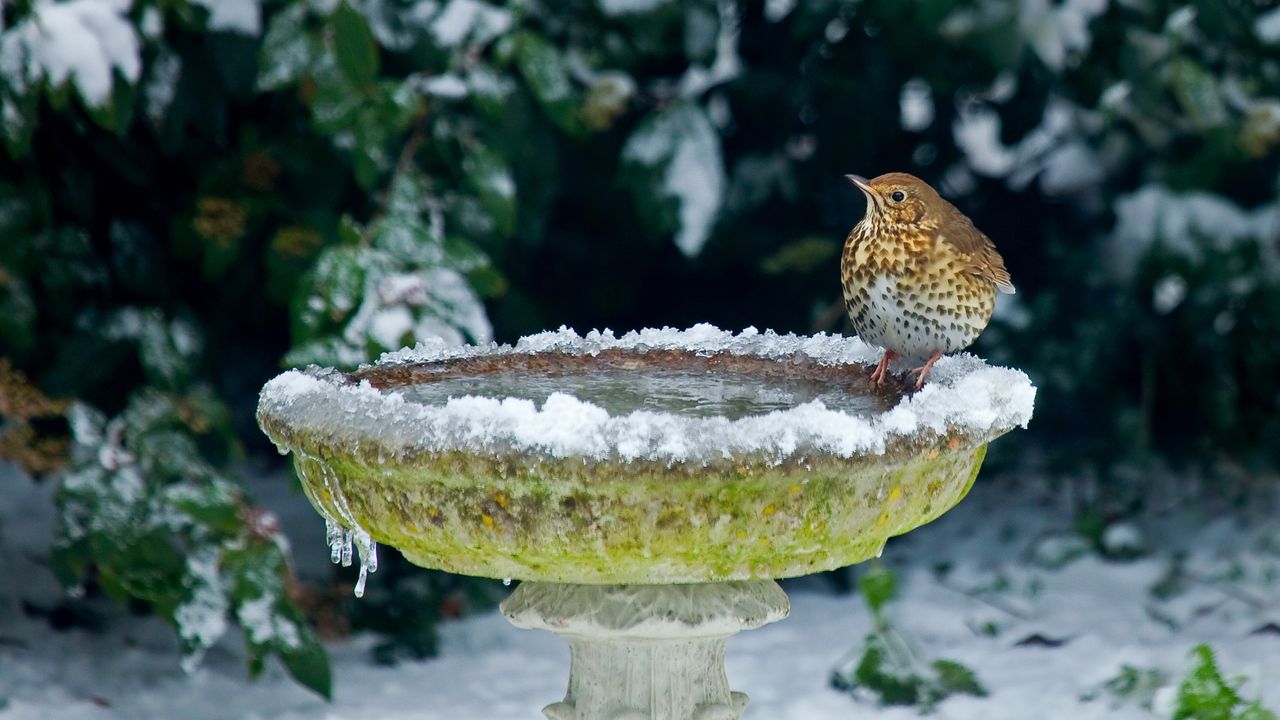
As winter approaches, many bird enthusiasts are concerned about maintaining their bird baths. A simple solution involves using a common household item: table tennis balls. By adding these lightweight balls to your bird bath, you can prevent the water from freezing while ensuring local birds have a source of hydration during the colder months.
Bird baths not only enhance outdoor aesthetics but also serve as crucial hydration points for local wildlife. While many birds migrate south for the winter, a surprising number remain in various regions. Therefore, providing fresh, unfrozen water can become vital for their survival.
How Table Tennis Balls Help
When temperatures drop, the water in bird baths can freeze quickly. This can potentially damage the bath itself and cut off a vital resource for birds. The action of a floating table tennis ball can disrupt the formation of ice. As the ball moves with even the slightest breeze, it prevents ice crystals from solidifying into a thicker layer.
The construction of table tennis balls adheres to specific size and weight guidelines, making them effective at floating. Not only do they help keep the water moving, but the moving water is also more appealing to birds. This simple, cost-effective measure can significantly enhance your bird bath’s functionality.
Additional Methods to Prevent Freezing
If you reside in particularly cold areas and seek further protection for your bird bath, consider the following strategies:
1. **Layer the Bottom**: Adding a black layer, such as black river rocks or a painted surface, can help absorb sunlight, raising the water temperature during the day.
2. **Relocate the Bath**: Position the bird bath in a sunny spot that is shielded from harsh winds. This can significantly impact the temperature of the water.
3. **Insulate the Basin**: Wrapping the bird bath with straw or burlap can provide additional warmth. This rustic look can also enhance the garden’s aesthetic appeal.
4. **Maintain Water Levels**: Keeping the water topped up with warm water daily can help maintain a higher overall temperature in the bath, making it less likely to freeze.
5. **Consider Material**: Opt for frost-resistant materials for your bird bath. While ceramics or stone may be visually appealing, resin options are often more durable during freezing temperatures.
While these methods can be effective, there are also actions to avoid that can cause damage to the bird bath. For instance, pouring boiling water into a frozen basin can cause cracking due to the sudden temperature change. Similarly, adding salt or chemicals to lower the freezing point can contaminate the water, making it unsafe for birds.
Safety Precautions
Finally, it is crucial to avoid using space heaters near bird baths. The combination of electricity and water poses significant risks, including potential fire hazards. Instead, focus on natural methods to ensure your bird bath remains functional throughout the winter.
By taking these steps, you can enjoy a thriving bird population in your garden while ensuring your bird bath remains a welcoming oasis. Keeping these water features operational during winter not only benefits local wildlife but also enhances the beauty and liveliness of your outdoor space. As the winter months approach, consider implementing these strategies to make your bird bath a reliable source of hydration for local birds.