
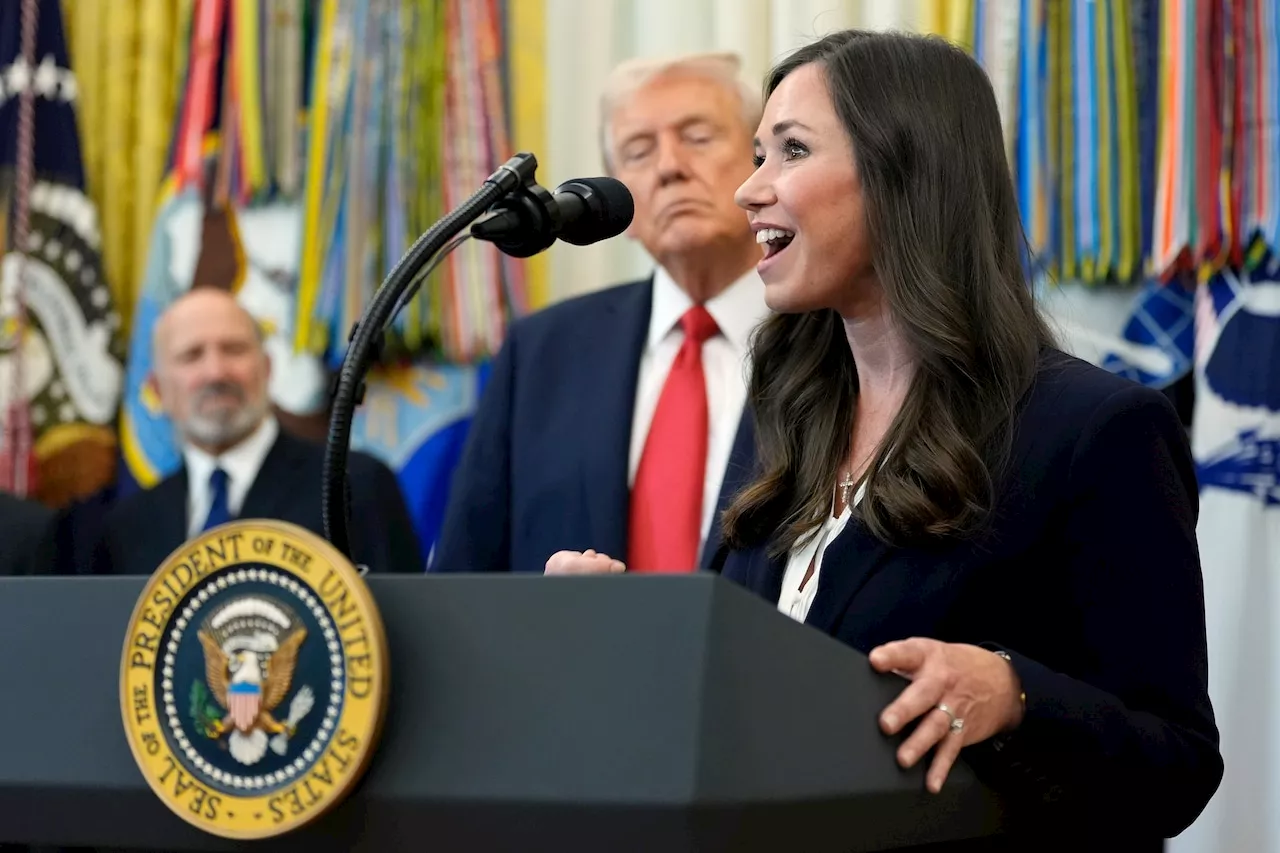
Senator Katie Britt, a Republican from Alabama, is actively lobbying President Donald Trump to extend subsidies under the Affordable Care Act (ACA) that are set to expire on December 31, 2025. The expiration of these subsidies could lead to health insurance premiums doubling, affecting over 130,000 Alabamians who rely on these financial aids for their healthcare coverage.
Britt has reportedly engaged in multiple discussions with Trump this week, advocating for a plan to maintain the subsidies that have made health insurance more affordable for millions of Americans. These tax credits under the ACA have played a crucial role in ensuring access to healthcare for many citizens across the nation.
A meeting scheduled for Thursday involving several GOP senators, who hold varying perspectives on this issue, was canceled for unrelated reasons. The ongoing debate among Republican leaders reflects a broader concern regarding healthcare policy as the party anticipates potential losses in the 2026 midterm elections.
Britt has emerged as a significant negotiator in the talks between the White House and congressional members. Her involvement indicates a strategic effort to navigate the complexities surrounding healthcare reform within the party. In previous statements, Britt expressed skepticism about a Democratic proposal that suggested a one-year extension of the subsidies, stating, “A proposal of just a one-year extension doesn’t deal with any of the issues that are in front of us on that.”
The discussions surrounding the ACA subsidies underscore the urgency of the issue. As the expiration date approaches, the Republican Party is reportedly deliberating on a comprehensive plan to address healthcare, recognizing that failure to act could have considerable political repercussions.
In a related context, Trump has indicated a desire to provide consumers with federal funds that would traditionally go to health insurance companies, positioning his administration’s approach to healthcare reform as pivotal in the upcoming legislative agenda. The resolution of this issue will likely require significant collaboration and consensus within the GOP, with Britt at the forefront of these efforts.
“Without the president on board, no deal to prevent Obamacare premium spikes is possible,” an observer noted, highlighting the critical role of Trump’s leadership in shaping the party’s health policy direction.
As the situation develops, stakeholders are closely monitoring these negotiations, understanding that the outcomes will have a direct impact on the availability and affordability of health care for many Americans. The next weeks will be crucial as both Britt and Trump navigate the intricate landscape of healthcare reform against the backdrop of impending deadlines and election strategies.