
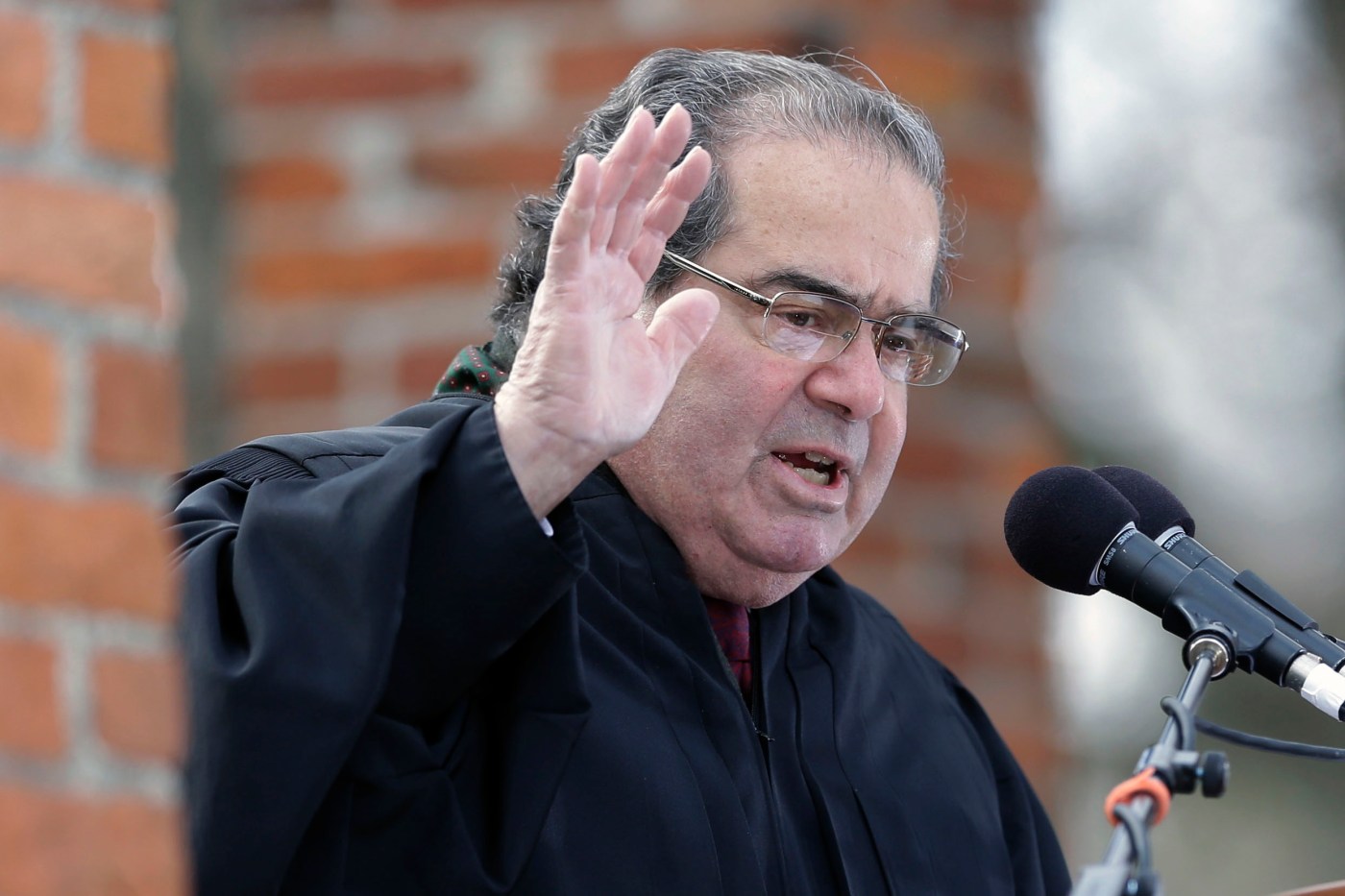
UPDATE: In a shocking turn of events, February 13, 2016 marked the day when U.S. Supreme Court Justice Antonin Scalia was found dead at a private residence in the Big Bend area of West Texas. Scalia, aged 79, was a towering figure in American jurisprudence, known for his conservative views and originalist interpretation of the Constitution.
The news of his passing has sent ripples through the legal community and political circles, prompting discussions about the future of the Supreme Court and its ideological balance. This development comes just as the nation braces for the potential ramifications on key upcoming cases.
On this date in history, other significant events unfolded as well. In 1935, Bruno Richard Hauptmann was convicted of the first-degree murder of Charles A. Lindbergh Jr., the infant son of famed aviator Charles Lindbergh. This case captivated the nation and ended with Hauptmann’s execution in the following year.
In 1945, during World War II, Allied forces commenced a three-day bombing raid on Dresden, Germany, resulting in an estimated 25,000 casualties and leaving the city in ruins. The tragic event remains a significant point of discussion in wartime ethics.
Fast forward to 1965, when President Lyndon B. Johnson initiated Operation Rolling Thunder, an extensive bombing campaign against North Vietnam, escalating U.S. involvement in the Vietnam War.
Today, as we remember Justice Scalia, we also reflect on the profound impact of his legal philosophy on American law. His death has sparked urgent conversations about the future of the court, especially with several critical cases on the horizon that could shape the nation’s legal landscape.
As the nation mourns, the implications of Scalia’s passing continue to unfold. Legal experts and political analysts are weighing in on how his absence will affect the court’s decisions in the months to come, particularly regarding issues related to constitutional rights and the balance of power.
Stay tuned as we follow this developing story and its broader implications. The loss of Antonin Scalia is felt not just in the halls of justice but across the entire country, marking a pivotal moment in the history of the U.S. Supreme Court.