
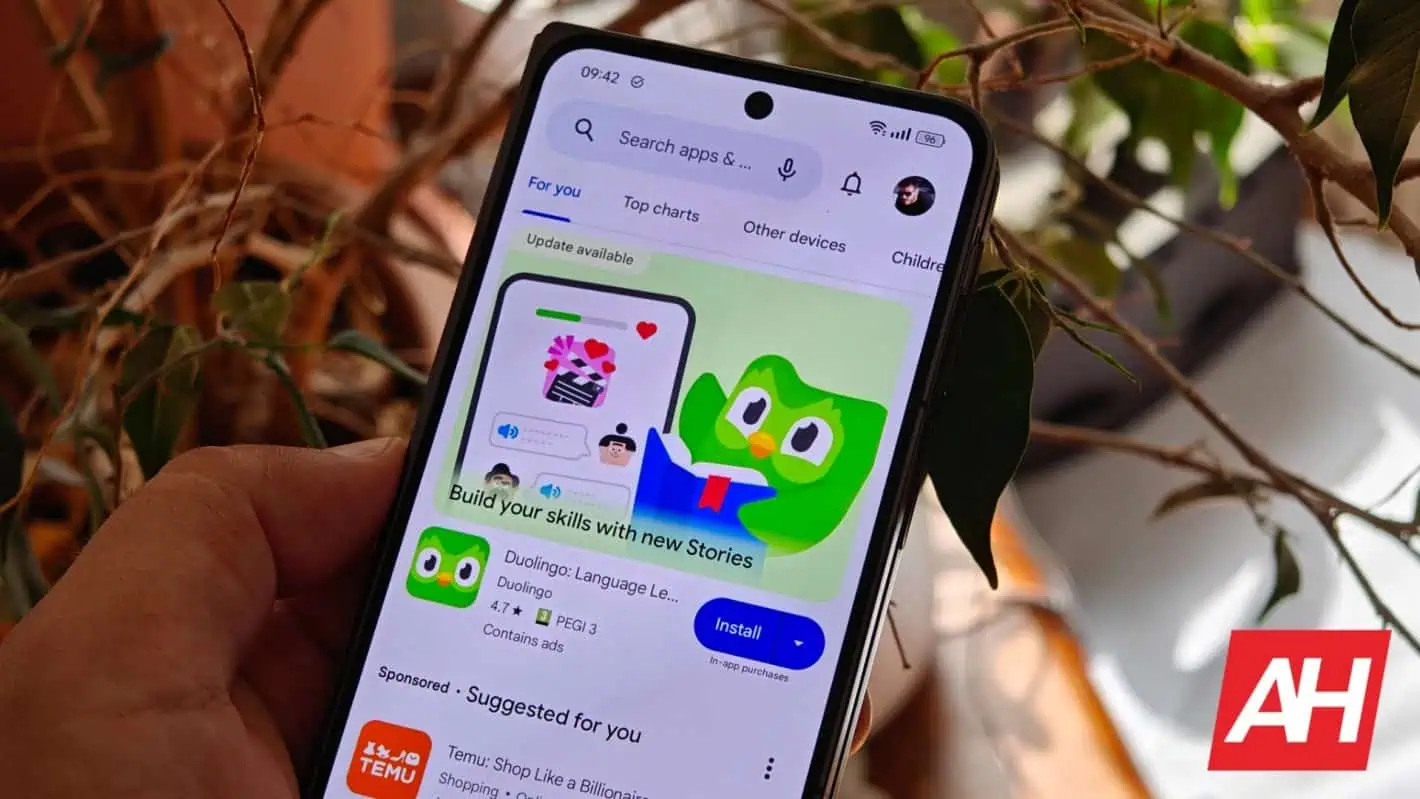
UPDATE: A Texas judge has just blocked a controversial law aimed at enforcing age verification for app stores, a significant move that impacts millions of users. Judge Robert Pitman granted a temporary preliminary injunction against the Texas App Store Accountability Act, halting its implementation which was scheduled for January 1, 2026.
This urgent development means that app store giants like Apple and Google will not be required to implement age verification measures in Texas for the time being. The law sought to mandate that app stores verify the age of all users, a move that critics argue could hinder access to information and increase operational costs for these companies.
In his ruling, Judge Pitman compared the law to requiring bookstores to check the age of every customer entering their premises. He highlighted the impracticality of such measures, particularly the burden of obtaining parental consent for minors. Pitman stated, “This law could act as a barrier for access to information and raise significant privacy concerns.”
The implications of this ruling are profound. If enforced, the law would have forced app developers to classify their apps meticulously and justify their age ratings, potentially stifling innovation and reducing the number of new apps entering the market. The financial ramifications for companies like Apple, which profits from app sales and in-app purchases, could have been significant, as more stringent regulations might deter developers from submitting their applications.
Currently, Apple has voiced strong opposition to the law, citing privacy concerns. The company argues that implementing such a verification system would necessitate the collection and retention of sensitive personal data from all users, conflicting with its long-held pro-privacy stance. Industry experts speculate that financial motivations could also be at play, as the added operational hurdles could lead to a drop in app submissions, ultimately impacting revenue streams.
As of now, it remains uncertain whether the state of Texas will appeal this decision. Other states have successfully passed similar laws without legal pushback, raising questions about the future of age verification in app stores nationwide. The digital community will be closely watching for any developments on potential appeals or legislative changes.
The ruling comes amid ongoing debates about child safety and content accessibility in the digital age, where parents are increasingly concerned about their children encountering inappropriate content online. While the intention behind the Texas law was to protect minors, critics argue that such regulations can lead to unintended consequences that infringe on privacy and access to information.
With this legal battle unfolding, stakeholders from app developers to parents are encouraged to stay informed. What happens next could shape the landscape of app store operations and child safety measures across the United States.
For now, parents and users in Texas can breathe a sigh of relief as age verification requirements are put on hold, but the conversation around digital safety and privacy will undoubtedly continue. Stay tuned for further updates on this developing story.