
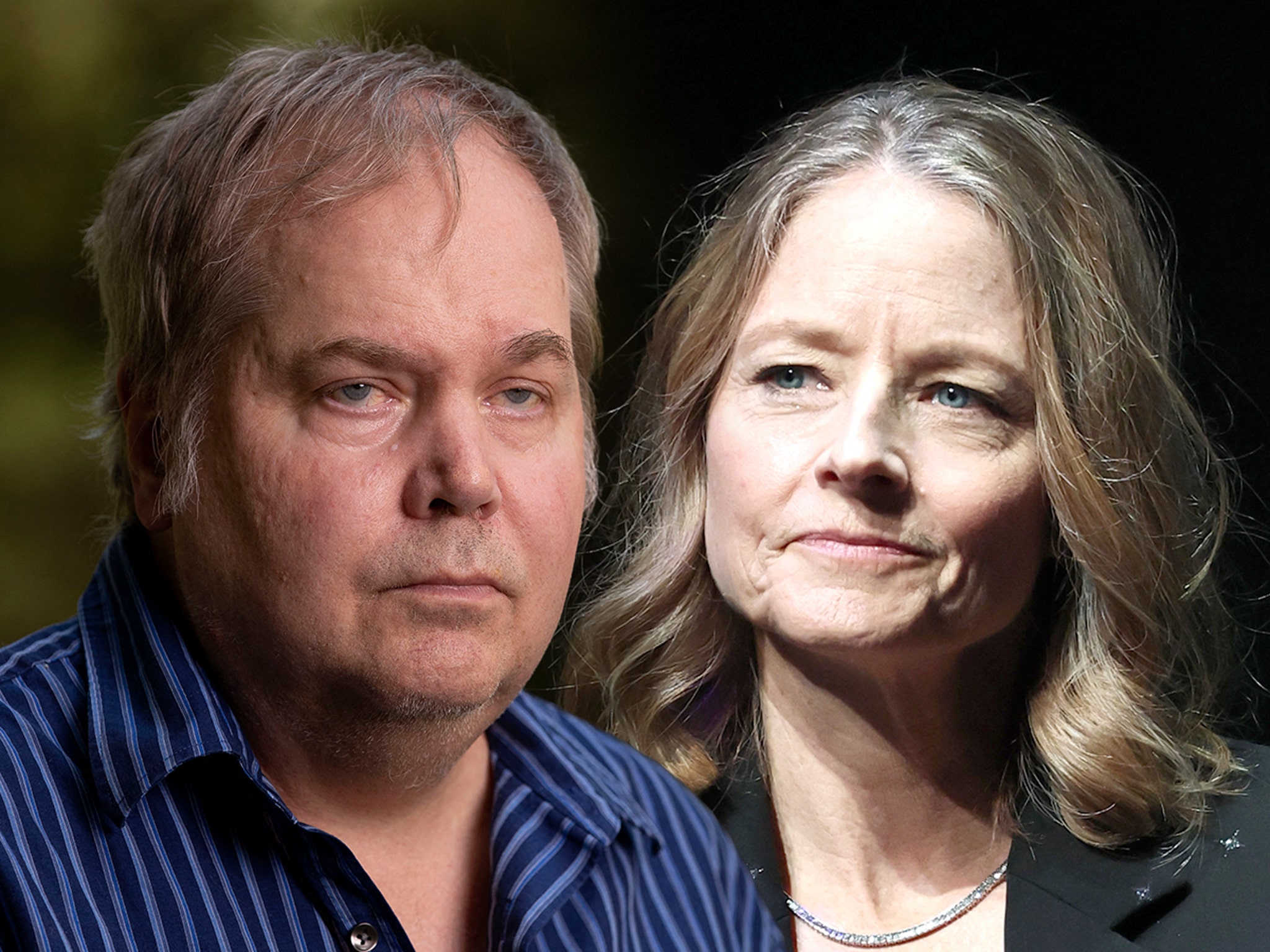
John Hinckley Jr., known for his attempted assassination of former U.S. President Ronald Reagan in 1981, has made a controversial claim regarding actress Jodie Foster. Hinckley asserts that he believes he is the reason Foster is attracted to women, a statement that has drawn significant media attention.
In an interview with TMZ, Hinckley shared his theory, suggesting that the trauma surrounding his assassination attempt had a lasting impact on Foster. He posits that the events of March 30, 1981, which left Reagan injured and led to Hinckley’s arrest, may have influenced Foster’s personal life and sexual orientation.
Foster, who gained fame for her roles in films such as “Taxi Driver” and “The Silence of the Lambs,” has publicly identified as bisexual. This revelation, combined with Hinckley’s assertions, has sparked discussions about the intersection of celebrity, mental health, and the ramifications of violent acts.
Hinckley has spent decades in the spotlight, not only for his crime but also for his subsequent legal battles and mental health evaluations. Following his release from a mental health facility in 2016, he has occasionally resurfaced in the media, engaging in discussions about his past and its implications.
The gravity of Hinckley’s claims raises questions about accountability and the broader societal impacts of violence. While he believes his actions had a ripple effect on Foster’s life, it remains essential to approach such assertions with skepticism and sensitivity, particularly regarding an individual’s personal identity.
As this story develops, it highlights the complexities surrounding public figures and the narratives that can emerge from their experiences. Hinckley’s comments serve as a reminder that the consequences of violence can extend far beyond the immediate victims, affecting lives in unforeseen ways.
Foster has not publicly responded to Hinckley’s remarks, leaving her perspective on the matter unknown. As public interest grows, the conversation surrounding this topic reminds us of the enduring impact of trauma and the importance of addressing mental health in a compassionate manner.