
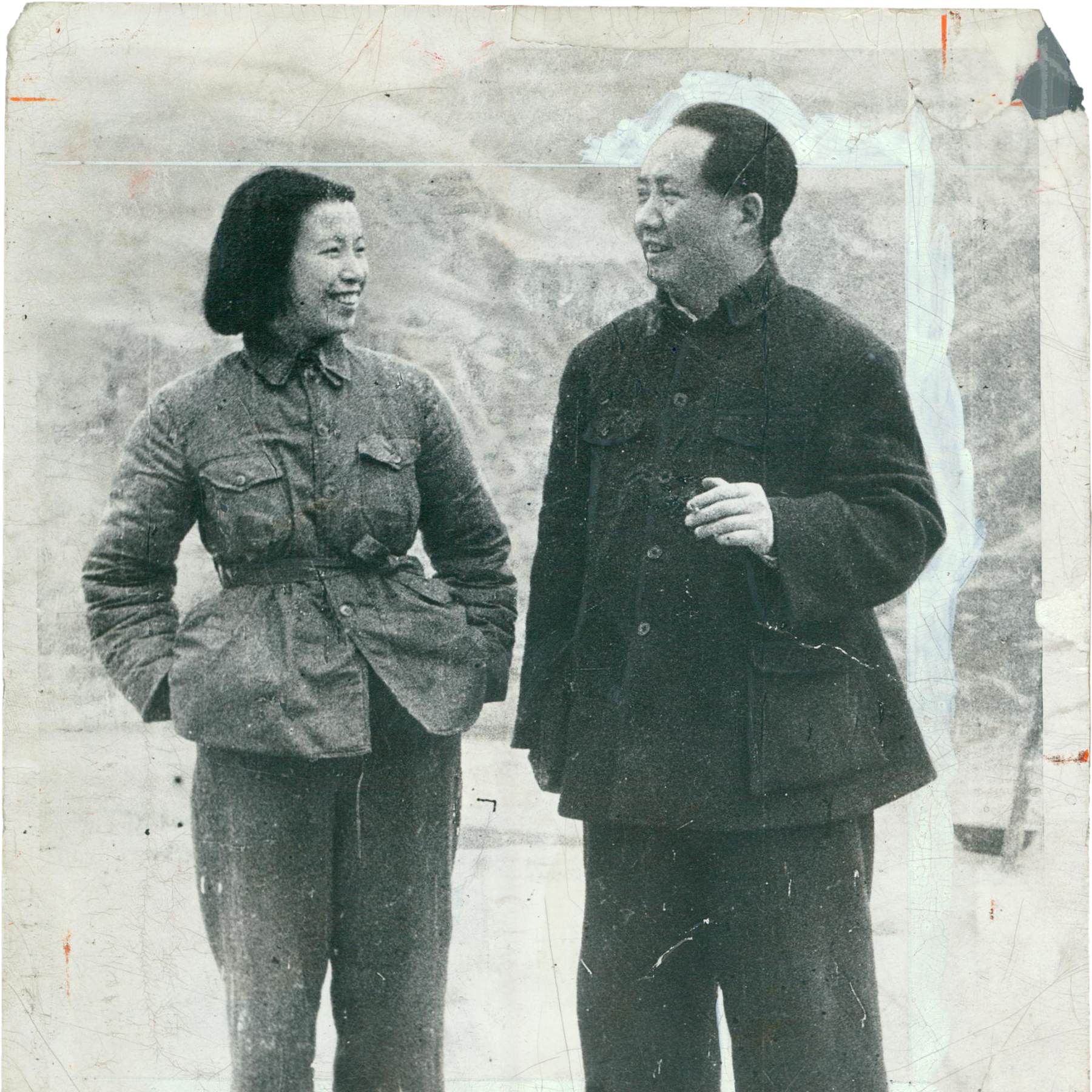
The death of Jiang Qing, the widow of Chinese leader Mao Zedong, has been confirmed, marking the end of a controversial chapter in modern Chinese history. Jiang Qing, who died by suicide at the age of 77, was a pivotal figure during the Cultural Revolution, a period that left a profound impact on China and its people.
Born into poverty in China, Jiang Qing rose to prominence as an actress before marrying Mao Zedong in 1939. Her influence during the Cultural Revolution (1966-1976) was significant, as she played a crucial role in promoting radical ideological reforms and was instrumental in the persecution of intellectuals and perceived enemies of the state. This legacy contributed to her reputation as one of the most reviled figures in the nation’s history.
Jiang Qing’s political career was intrinsically linked to the fervent cultural policies of the time. As part of the “Gang of Four,” she was heavily involved in the arts, seeking to reshape Chinese culture in accordance with Maoist ideology. Following Mao’s death in 1976, Jiang was arrested and subsequently tried for her actions during the revolution. She was convicted of counter-revolutionary activities and received a suspended death sentence, which was later commuted to life imprisonment.
The circumstances surrounding her death have prompted discussions about her complex legacy. Jiang Qing’s life and actions continue to evoke strong emotions, reflecting the deep divides in Chinese society regarding the Cultural Revolution and its aftermath. While some view her as a tragic figure who was a victim of political machinations, others see her as a key architect of the suffering endured by many during that tumultuous era.
In her later years, Jiang Qing remained largely out of the public eye, living in relative obscurity until her death was announced. The news has reopened a dialogue about the legacy of the Cultural Revolution and the enduring impact of Mao Zedong’s policies on contemporary China.
The legacy of Jiang Qing serves as a reminder of the complexities of historical narratives and the personal stories intertwined with political events. As China continues to navigate its past, figures like Jiang Qing will remain central to discussions about the nation’s identity and historical memory.