
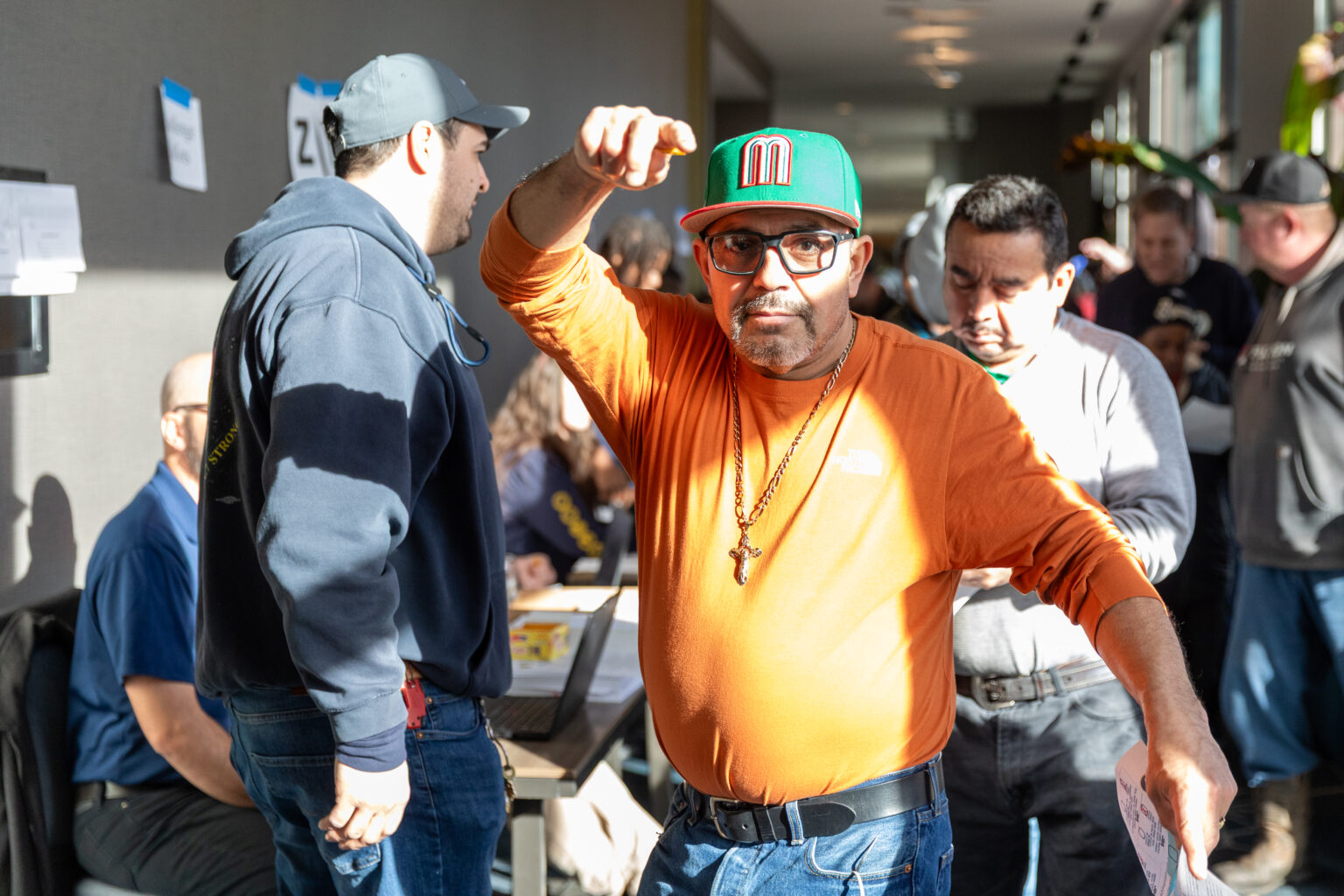
Hundreds of immigrant workers at the JBS beef plant in Greeley, Colorado, voted overwhelmingly to strike on February 4, 2026, despite facing potential deportation threats. Many of these workers are recent Haitian migrants whose legal status is under scrutiny as the Trump administration seeks to revoke their protections in federal court. This vote marks a significant moment, potentially leading to the first sanctioned walkout at a major meatpacking facility in decades.
The vote came after months of tense negotiations between the workers’ union, United Food and Commercial Workers Local 7, and JBS, the world’s largest beef producer. Workers raised concerns about poor working conditions, alleging issues such as unsafe speeds on production lines and inadequate housing arrangements. Tchelly Moise, a representative of the union, emphasized the urgency of the situation, stating, “People at the plant, they’re pissed off,” reflecting the frustrations that have been building among workers.
On the day leading up to the strike vote, union representatives distributed flyers in multiple languages, including Haitian Creole, Spanish, and Somali, informing workers about the voting process. The event took place at the DoubleTree Hotel, just over a mile from the plant, where anticipation and anxiety mixed among those arriving to cast their votes.
The workers, primarily Haitians, were particularly aggrieved after recruiting practices that they claim amounted to human trafficking. A class action lawsuit filed by some workers alleges that they were promised free housing but instead found themselves in overcrowded and substandard conditions. Additionally, they were reportedly assigned to the more demanding B Shift, which operates at a significantly faster pace than the A Shift, processing up to 440 head of cattle per hour compared to the A Shift’s average of 300.
Concerns about legal status loomed large as many workers were set to lose their temporary protected status (TPS) just a day before the vote. However, a last-minute ruling by US District Judge Ana C. Reyes halted the termination of TPS for Haitians. In her decision, Reyes noted that the move by Homeland Security Secretary Kristi Noem reflected a “hostility to nonwhite immigrants,” citing Noem’s previous derogatory remarks about immigrants.
The ruling provided a brief respite for the workers, allowing the union to proceed with the strike vote without immediate fear of deportation. Moise noted that the decision gave them “at least a few days” to organize and advocate for their rights.
As workers began to vote early on the day of the strike, fears of retaliation by immigration authorities lingered. Some shared concerns about potential surveillance by JBS, a company known for its close ties to political figures advocating for stricter immigration policies. Despite these fears, the turnout was substantial, and the vote proceeded in a secret ballot format to ensure confidentiality.
Throughout the day, union officials monitored the voting process and prepared for the outcome. By evening, the results were clear: nearly 99% of the ballots favored a strike. The mood among union representatives shifted from apprehension to jubilation as they celebrated this decisive moment.
In response to the overwhelming support for a strike, union president Kim Cordova stated that the workers would give JBS a week to return to the bargaining table and address their grievances. She expressed hope for renewed negotiations but made it clear that the workers were prepared to take action if their demands continued to be ignored.
JBS acknowledged the outcome of the vote, stating that they respect the collective bargaining process and remain hopeful for a resolution. However, the company also sent an email to workers urging them to demand a vote on their final contract offer, indicating a potential rift between management and the workforce.
As the union prepares for the possibility of a strike, Moise remarked on the readiness of the workers to stand up for their rights. “It looks like they’re willing to see us go on strike for real,” he said, noting that the union had already ordered 4,000 picket signs, signaling their commitment to the cause.
This situation highlights the ongoing struggles faced by immigrant workers in the meatpacking industry, particularly amid complex legal and economic challenges. The outcome of the strike vote could not only reshape conditions at the JBS plant but also set a precedent for labor actions across the industry in the United States.